
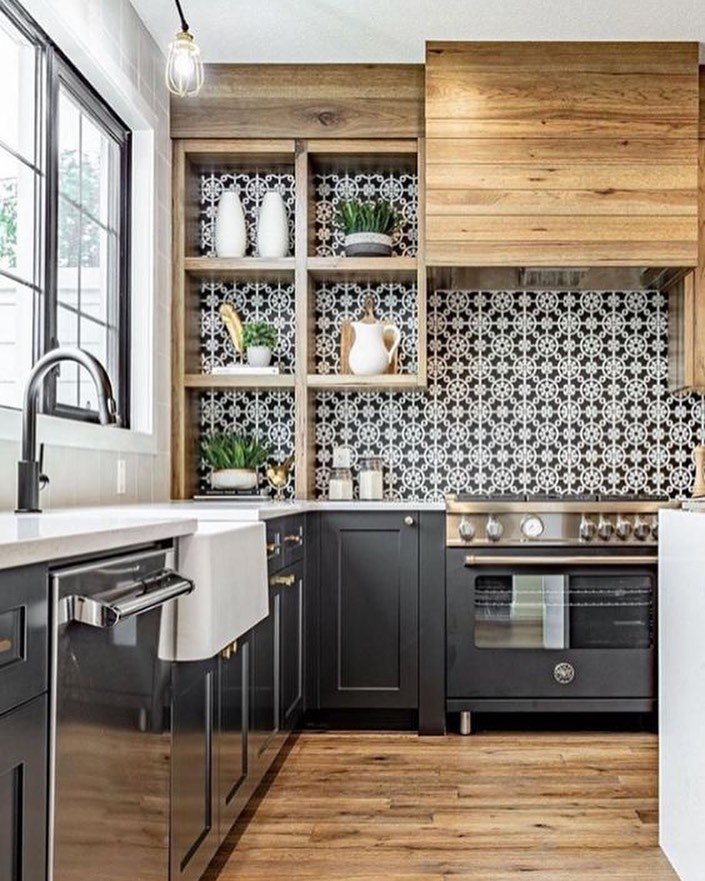
The Ultimate Guide to Modern Transitional Kitchen Decor (2026 Design Trends)
Modern transitional kitchen decor combines the best of two styles. It blends the warmth of traditional design with the clean look of modern interiors. As a result, it creates a balanced and timeless kitchen space.
Today, this style is very popular in 2026. It feels calm, functional, and visually soft. Moreover, it works well in both small and large homes.
Instead of choosing between classic and modern, homeowners now mix both. Therefore, transitional kitchens feel flexible and long-lasting.
This guide explains the key ideas, materials, and design rules behind modern transitional kitchen decor.
1. What Is Modern Transitional Kitchen Design?
Modern transitional kitchen design is a mix of traditional and modern styles.
It avoids heavy decoration. However, it still keeps a warm and welcoming feel. Because of this balance, the kitchen looks simple but elegant.
In addition, this style works in almost every home type.
2. Balanced Color Palettes
Color plays a very important role in transitional kitchens.
Designers use soft and neutral tones like white, beige, cream, gray, and light brown. These colors create a calm base.
At the same time, small accent colors add depth. However, designers use them carefully so the space does not feel crowded.
3. Shaker-Style Cabinets with Modern Finishes
Cabinets are the main feature of transitional kitchens.
Shaker-style cabinets are very popular because they look simple and classic. In modern designs, they often come with matte or wood finishes.
As a result, the kitchen feels both structured and warm.
4. Mixed Material Design
Transitional kitchens use different materials together.
For example, designers combine:
- Wood with marble
- Quartz with matte metal
- Stone with painted cabinets
In this way, the kitchen gains depth and character. However, it still stays clean and organized.
5. Soft Contrast Design
Instead of strong contrast, transitional kitchens use soft contrast.
For instance, light cabinets are paired with slightly darker countertops. Therefore, the look feels smooth and balanced.
As a result, the kitchen does not feel too sharp or heavy.
6. Functional Kitchen Layouts
Function is very important in this style.
Designers create open layouts so movement becomes easy. In addition, cooking and dining areas connect smoothly.
Because of this, the kitchen feels practical and comfortable at the same time.
7. Statement Lighting Fixtures
Lighting adds both beauty and function.
Designers use pendant lights, soft chandeliers, and under-cabinet lighting. These layers create warmth in the space.
Moreover, lighting helps separate different zones inside the kitchen.
8. Natural Stone Countertops
Natural stone is a key part of transitional kitchens.
Materials like quartz, marble, and granite are very common. They look natural and also last long.
Therefore, they improve both beauty and durability.
9. Subtle Decorative Elements
Transitional kitchens do not use heavy decoration.
Instead, they use small items like ceramic vases, wooden trays, or simple artwork. These elements add personality.
However, they never overload the space.
10. Open Shelving with Purpose
Open shelves are used carefully.
Designers use them to display useful items or light decoration. In addition, they keep the kitchen organized.
As a result, the space feels open but still practical.
11. Stainless Steel and Matte Hardware
Hardware is small but important.
Designers choose finishes like brushed nickel, matte black, and stainless steel. These colors keep the look soft and modern.
At the same time, they match different cabinet styles easily.
12. Integrated Appliances
Appliances are hidden inside cabinets.
For example, refrigerators and ovens are built-in. Therefore, the kitchen looks clean and smooth.
In addition, this improves visual flow.
13. Warm Lighting Atmosphere
Lighting is always soft and warm.
Designers prefer warm white LED lights instead of harsh bright lighting. Because of this, the kitchen feels more comfortable.
As a result, people enjoy spending more time there.
14. Kitchen Islands as Social Hubs
The kitchen island is a central feature.
It is used for cooking, dining, and social interaction. In many homes, it becomes the main gathering place.
Moreover, designers often mix wood and stone to create contrast.
15. Textural Layering
Texture is very important in this style.
Designers combine matte cabinets, smooth stone, natural wood, and soft seating. In this way, the kitchen feels rich but not busy.
Therefore, the space stays balanced and interesting.
16. Minimalist Hardware Design
Handles and knobs are kept simple.
Sometimes designers remove them completely using push-to-open systems. As a result, the kitchen looks clean and modern.
17. Seamless Storage Solutions
Storage is hidden and well organized.
Deep drawers, pull-out systems, and tall cabinets help reduce clutter. In addition, everything stays easy to access.
Therefore, the kitchen looks clean and functions smoothly.
Final Conclusion
Modern transitional kitchen decor is all about balance. It mixes traditional warmth with modern simplicity.
Because of this combination, the kitchen feels timeless, soft, and functional. In the end, it creates a space where style and comfort work together perfectly.