The Architecture of Rest: Five Principles Behind Elite Suite Design
There comes a point in interior design when a room stops being decorated and starts being engineered. In the world’s finest hotels and private residences, a bedroom is not simply furnished—it is carefully composed. Every surface, shadow, material, and moment of silence serves a purpose.
The most memorable sleeping environments do not rely on expensive finishes alone. Instead, they combine architecture, lighting, acoustics, and technology into a seamless experience. These five principles define the spaces that feel genuinely restorative.
1. Unified Architectural Integration
Exceptional bedrooms blur the distinction between furniture and architecture. Rather than placing individual pieces throughout a room, designers integrate beds, storage, shelving, and wall treatments into a single composition. As a result, the space feels calm, intentional, and visually organized. Function remains abundant, yet clutter disappears.
Extending Perceived Space
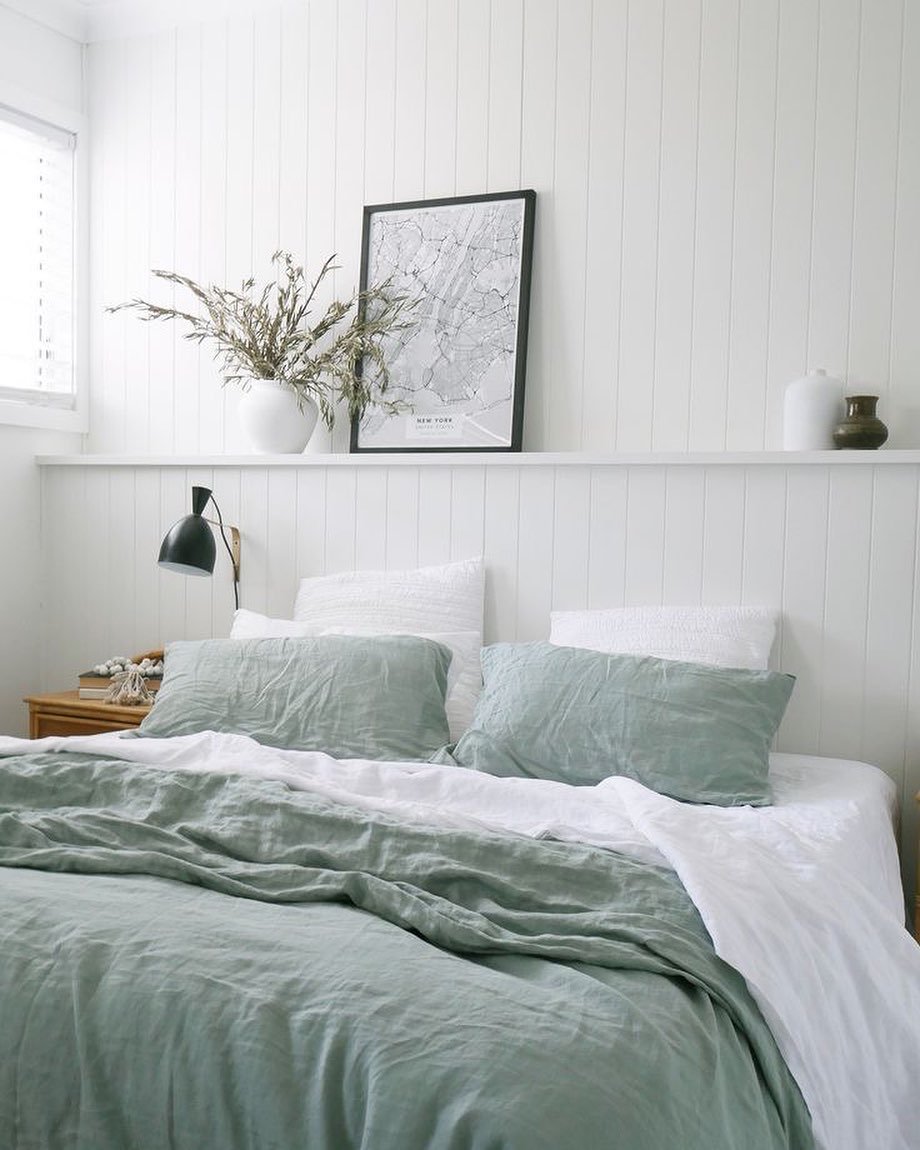
Continuous horizontal elements strengthen this effect. Long runs of millwork, wall panels, or integrated headboards guide the eye across the room and create the impression of greater width. Consequently, even compact suites feel more expansive than their actual dimensions suggest.
Creating Psychological Views
Not every room benefits from a dramatic landscape outside the window. Therefore, designers often introduce large-scale environmental murals, scenic wall panels, or backlit artwork. Forests, coastlines, and open horizons provide visual depth while establishing a stronger connection to nature. In many cases, these installations reduce the feeling of enclosure and make the room feel significantly larger.
Architecture Before Furniture
In elite interiors, designers treat furniture as part of the building rather than as a collection of separate objects. Integrated wardrobes, floating bedside tables, and custom storage walls create visual continuity throughout the room. Because every element belongs to a unified architectural language, the environment feels more sophisticated and cohesive.
2. The Ceiling as a Design Tool
Many interiors overlook the ceiling. However, high-end design treats it as one of the most influential architectural elements in the room. Rather than serving as a blank surface, the ceiling actively shapes how occupants perceive space, comfort, and proportion.
Emphasizing Verticality
Vertical surface treatments naturally direct attention upward. Textured panels, ribbed finishes, timber slats, and linear detailing encourage the eye to travel toward the ceiling. Consequently, standard-height rooms often feel taller and more refined.
In addition, textured vertical surfaces improve acoustic performance. They scatter and absorb sound more effectively than flat painted walls, reducing harsh echoes and creating a quieter atmosphere.
Defining the Sleeping Zone
Designers also use ceiling geometry to establish distinct spatial zones. A lowered ceiling section above the bed creates a subtle sense of enclosure without introducing walls or partitions.
As a result, the sleeping area feels protected and separate from the rest of the room. The effect is both architectural and psychological, enhancing comfort while preserving openness.
Creating Rhythm and Structure
Ceiling treatments introduce visual rhythm that guides movement through a room. Repeating patterns, recessed channels, and architectural lighting details create order without overwhelming the space. This subtle structure helps the room feel balanced and carefully considered.
3. Mapping the Sensory Environment
Luxury today depends as much on sensation as appearance. Therefore, designers carefully shape the acoustic, tactile, and emotional qualities of a room.
Designing for Quiet
Full-height upholstered panels, textured wall systems, and soft architectural surfaces absorb unwanted noise. These elements reduce reverberation and create the hushed atmosphere often associated with private libraries and luxury hospitality environments.
The result is not simply silence. Instead, the room feels controlled, calm, and deeply comfortable. Occupants often experience a greater sense of relaxation because the environment minimizes sensory distractions.
Balancing Hard and Soft Materials
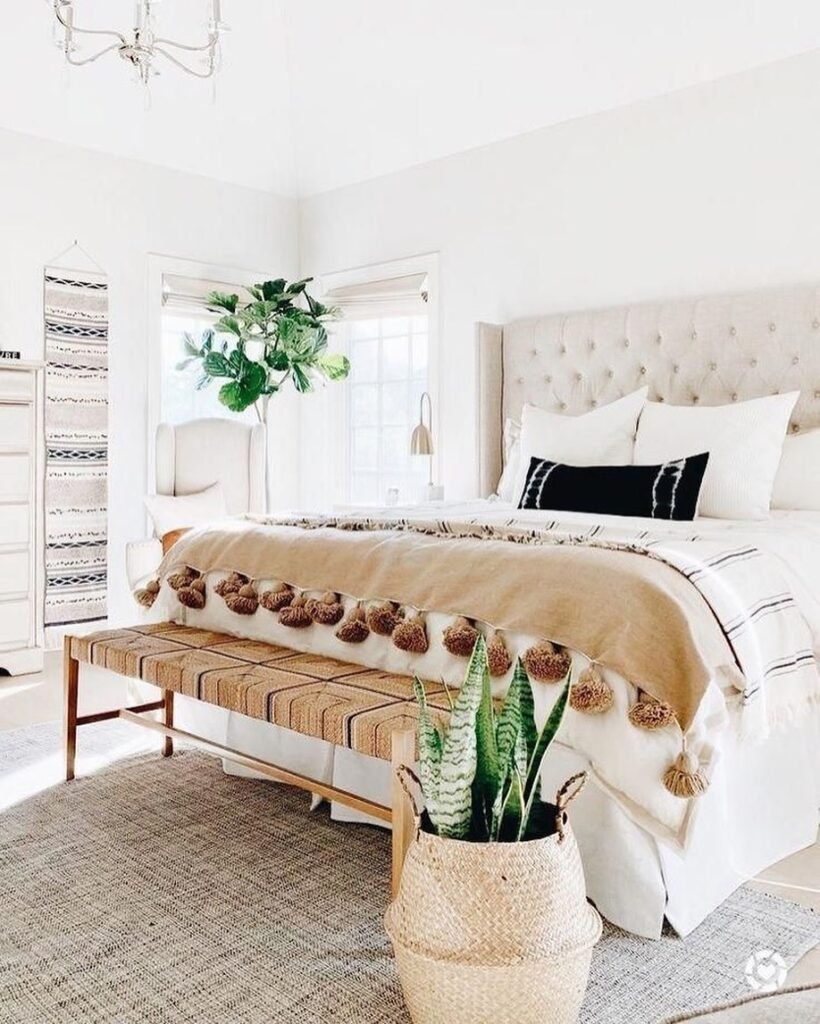
Material contrast plays an equally important role. Stone, marble, polished timber, and metal surfaces provide structure and permanence. Meanwhile, velvet, linen, leather, wool, and upholstered finishes introduce softness and warmth.
Without softer materials, hard surfaces can feel cold and uninviting. Conversely, a room composed entirely of soft finishes may lack clarity and definition. The interaction between the two creates visual depth, tactile richness, and emotional balance.
Engaging Multiple Senses
The best bedrooms engage more than sight alone. Textures encourage touch, acoustics shape perception, and carefully selected materials influence how a room feels on a subconscious level. Consequently, the environment becomes restorative rather than merely attractive.
4. A Three-Layered Lighting Strategy
Lighting does far more than illuminate a room. It shapes mood, reveals texture, and defines architectural form. Elite interiors rely on multiple layers of light working together rather than a single overhead fixture.
Layer One: Ambient Illumination
The foundation begins with concealed ambient lighting. Recessed LED systems hidden within ceiling coves distribute a soft, even glow throughout the room. Because the light source remains invisible, the atmosphere feels calm and effortless.
This layer establishes the room’s overall mood while eliminating harsh shadows and visual distractions.
Layer Two: Surface-Grazing Light
The second layer focuses on texture. Fixtures positioned close to stone, plaster, timber, or fabric surfaces cast light across them at a shallow angle. Consequently, every grain, ridge, and subtle variation becomes visible.
This technique transforms ordinary surfaces into focal points and gives walls genuine depth. Furthermore, it emphasizes craftsmanship and material quality.
Layer Three: Base-Level Accent Lighting
The final layer introduces subtle illumination beneath furniture. Beds, consoles, and cabinetry appear to float slightly above the floor, reducing their visual weight.
Furthermore, this technique expands the perceived floor area and contributes to a more spacious appearance. The resulting effect feels sophisticated without drawing attention to itself.
Lighting as Architecture
When properly designed, lighting becomes part of the architecture rather than an accessory. Instead of simply illuminating objects, it defines spatial relationships and enhances the room’s overall composition.
5. The Art of Concealing Complexity
The most refined interiors hide their technical systems completely. Modern luxury depends on convenience, but convenience should never dominate the visual experience.
Invisible Environmental Control
Designers integrate climate-control systems into slim linear ceiling channels that blend seamlessly with surrounding architecture. Air circulates efficiently, yet visible grilles and bulky vents disappear.
As a result, architectural surfaces remain uninterrupted and visually clean. The room feels quieter and more sophisticated because mechanical systems no longer compete for attention.
Integrated Technology
Technology should enhance a room without becoming its focal point. For this reason, designers embed charging stations, lighting controls, connectivity points, and automation interfaces directly into millwork and architectural panels.
The technology becomes part of the environment rather than an addition to it. Likewise, concealed cable management preserves visual clarity and prevents unnecessary distractions.
Preserving Visual Calm
Every visible object competes for attention. Therefore, luxury design prioritizes visual quiet by minimizing interruptions and reducing unnecessary complexity. Hidden technology supports the experience without altering the room’s aesthetic integrity.