
The Architecture of Rest: 20 Luxury Bedroom Design Principles for Modern Master Suites (2026 Guide)
Luxury bedroom design in 2026 is no longer focused only on appearance. Instead, it focuses on how a space feels, functions, and supports rest. Modern master suites are carefully designed environments where architecture, lighting, acoustics, and materials all work together to improve comfort and sleep quality.
Rather than filling a room with decorative furniture, designers now build integrated spaces that feel calm, open, and emotionally balanced. As a result, luxury bedrooms today feel more like private sanctuaries than simple sleeping areas.
This article explores 20 essential design principles that define modern luxury bedroom interiors.
1. Integrated Architectural Design
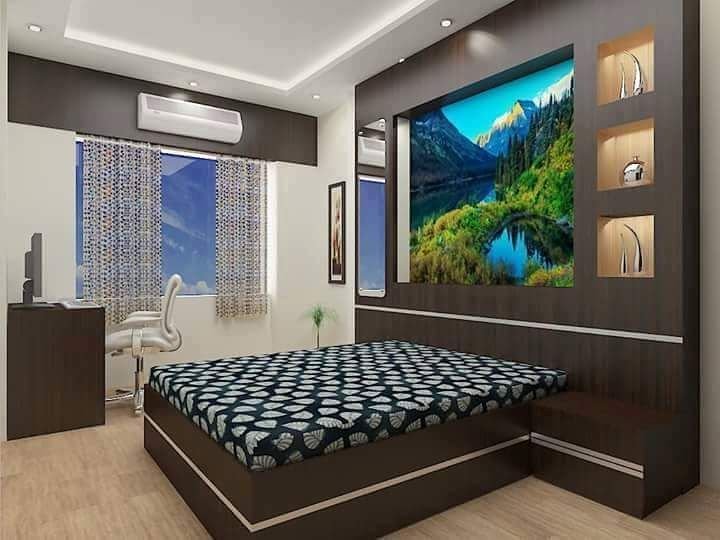
Modern luxury bedrooms follow a fully integrated design approach. Instead of placing separate furniture pieces in a room, designers build beds, storage, and lighting into the architecture itself.
This approach removes visual clutter and creates a smooth, continuous environment. Consequently, the bedroom feels larger, cleaner, and more peaceful.
2. Wall-to-Wall Headboard Systems
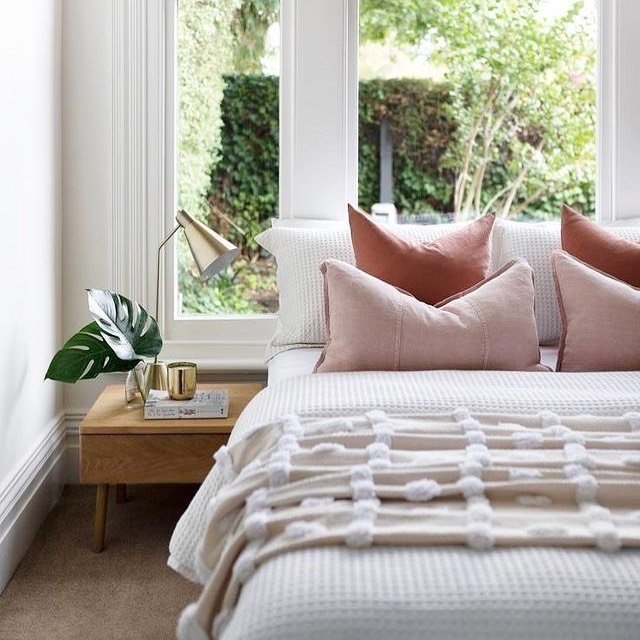
A wall-to-wall headboard creates a strong visual structure behind the bed. It extends across the entire wall and connects different design elements into one unified surface.
This design makes the room feel wider and more balanced. It also adds a sense of stability and luxury.
3. Built-In Storage Architecture
Built-in storage replaces bulky wardrobes and standalone cabinets. Designers hide storage inside walls and panels to maintain a clean visual flow.
As a result, the bedroom remains organized while still feeling open and spacious.
4. Ceiling Zoning and Spatial Design
In modern interiors, ceilings are used as active design elements. Designers adjust ceiling height in different areas to define zones such as sleeping, dressing, or relaxing.
For example, a lowered ceiling above the bed creates a cozy and private sleeping area. Meanwhile, higher ceilings in other areas maintain openness.
5. Vertical Design Elements
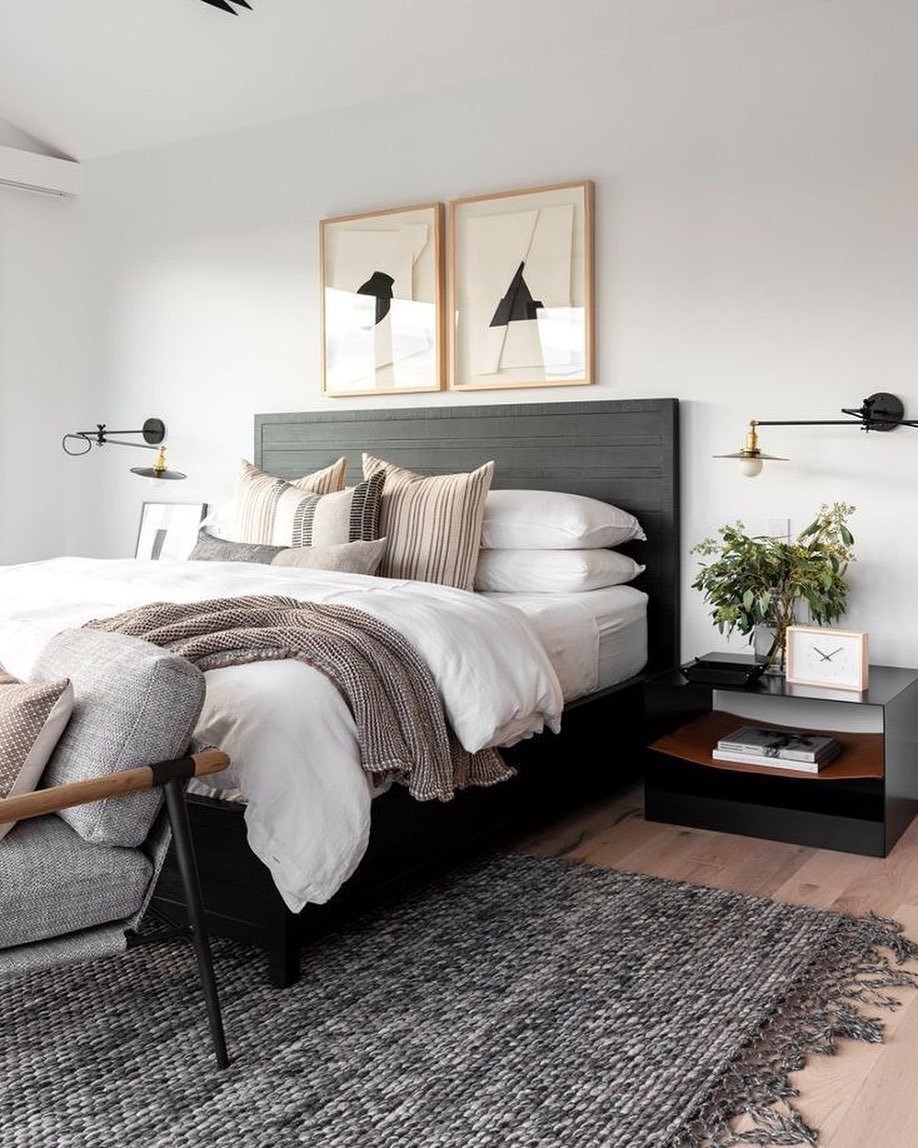
Vertical lines naturally draw the eye upward. Designers use wooden slats, panels, and textured surfaces to create this effect.
This technique makes even standard-height rooms feel taller and more elegant.
6. Reflective Surfaces for Expansion
Mirrors and glossy materials reflect light and space. They create the illusion of a larger room by visually extending boundaries.
This is especially useful in urban bedrooms where space is limited.
7. Acoustic Comfort and Sound Control
Luxury bedrooms are designed to be quiet and peaceful. Soft materials such as fabric panels, rugs, and curtains reduce echo and outside noise.
This creates a calm environment that supports deeper rest and relaxation.
8. Balanced Material Selection
High-end interiors combine both hard and soft materials. Stone, glass, and wood add structure, while fabrics like linen, velvet, and wool add warmth.
This balance creates a comfortable and visually rich environment.
9. Ambient Lighting Systems
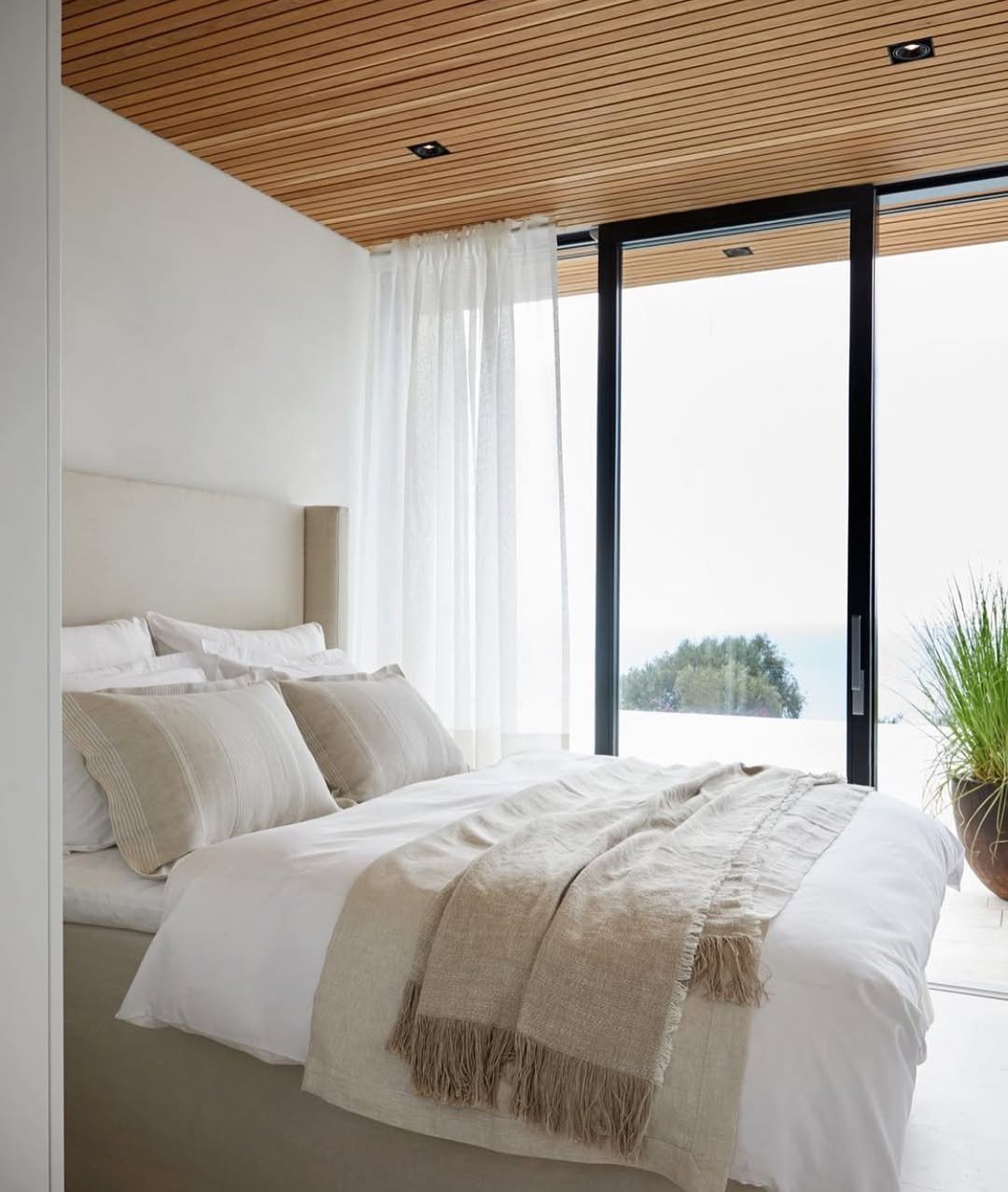
Ambient lighting forms the foundation of modern bedroom design. Hidden LED strips provide soft, indirect light without visible fixtures.
This creates a relaxing atmosphere that feels natural and smooth.
10. Accent Lighting for Depth
Accent lighting highlights specific architectural features such as textured walls or artwork.
This adds depth and dimension, preventing the room from feeling flat or dull.
11. Under-Furniture Lighting (Floating Effect)
Lighting placed under beds and cabinets creates a floating visual effect. Furniture appears lighter and less grounded.
This improves the feeling of space and adds a modern aesthetic.
12. Nature-Inspired Design Elements
Many luxury bedrooms include natural materials and imagery. Wood textures, stone finishes, and landscape artwork help bring nature indoors.
This connection to nature improves relaxation and reduces stress.
13. Strong Visual Focal Points
Every bedroom needs a clear focal point. This is usually the bed wall, a large headboard, or an artwork feature.
A focal point organizes the entire design and prevents visual confusion.
14. Hidden Technology Integration
Modern luxury design hides all technology. Charging ports, speakers, and smart systems are built into furniture and walls.
This keeps the room clean and free from visual distractions.
15. Integrated Climate Control
Air conditioning and ventilation systems are concealed within ceilings and walls.
This allows smooth airflow without visible vents disrupting the design.
16. Floating Furniture Design
Wall-mounted furniture creates a light and modern appearance. Beds, desks, and cabinets seem to float above the floor.
This design improves both aesthetics and floor space visibility.
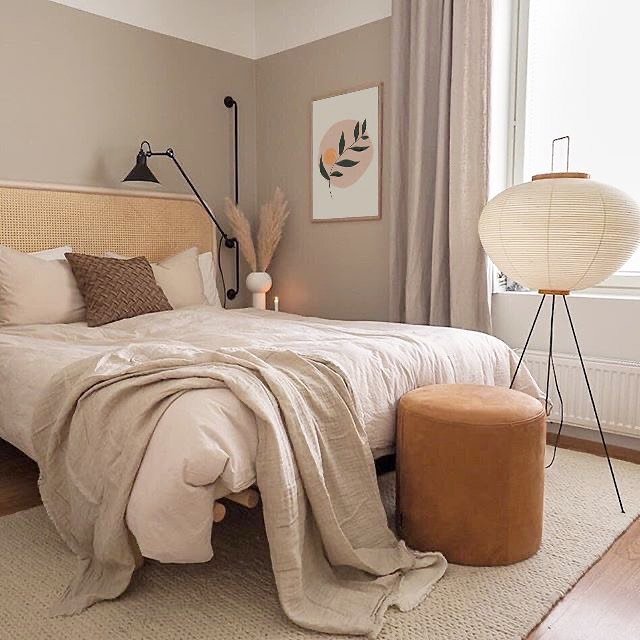
17. Layered Texture Design
Texture adds depth without relying on strong colors. Designers combine smooth, rough, soft, and woven materials.
This creates a calm but visually interesting environment.
18. Precision Craftsmanship
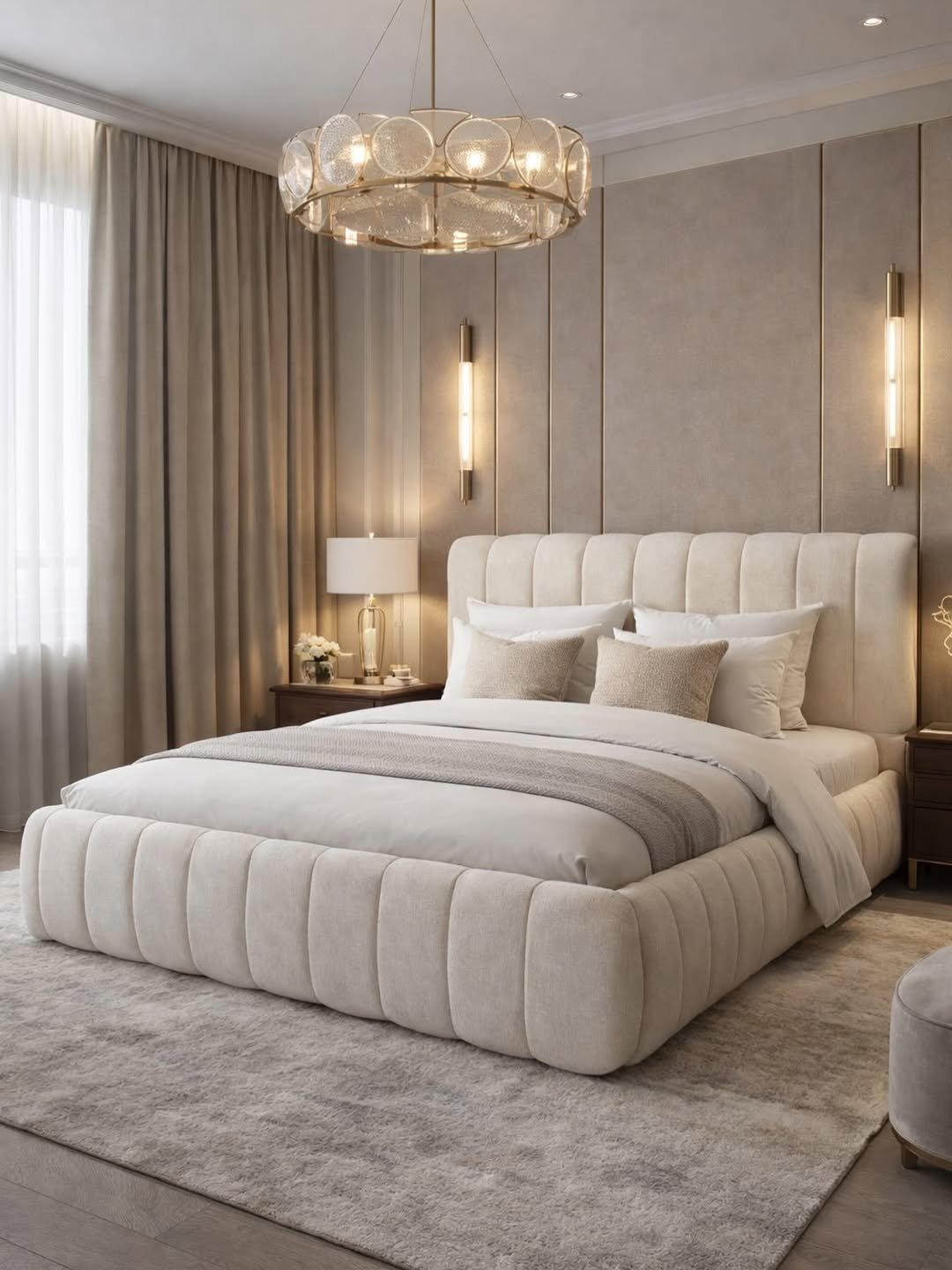
Luxury interiors depend on high attention to detail. Clean edges, hidden joints, and perfect alignment define premium design.
Even small imperfections are avoided to maintain visual perfection.
19. Circadian Lighting Systems
Modern lighting follows natural body rhythms. It changes brightness and color temperature throughout the day.
Cool lighting supports daytime focus, while warm tones help the body relax at night.
20. Environmental Harmony
The final principle of luxury bedroom design is harmony. Every element—light, sound, materials, and layout—must work together.
When this balance is achieved, the bedroom becomes more than a room. It becomes a space for recovery, relaxation, and emotional well-being.
Conclusion
Modern luxury bedroom design is no longer about decoration. It is about creating an experience. Every detail—from lighting and acoustics to materials and layout—plays a role in shaping comfort.
When all elements work together, the result is a space that feels larger, quieter, and more peaceful. Ultimately, the best bedroom design is one that disappears into the background and allows rest to take priority.