
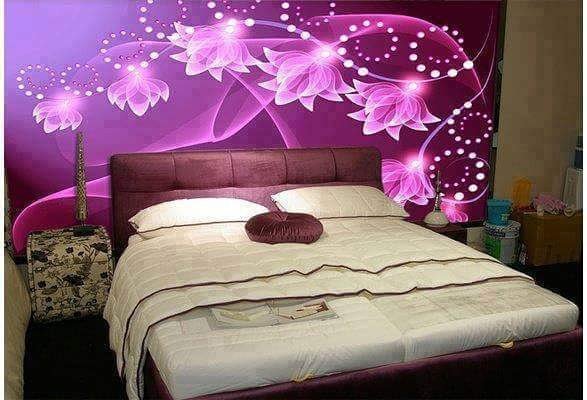
Modern Luxury Master Bedroom Design (2026): The Complete Architectural Guide
Modern luxury bedroom design in 2026 is no longer about decorating a room with furniture. Instead, it focuses on building fully integrated architectural environments where walls, ceilings, lighting, and materials work together as one unified system. The goal is to create a calm, immersive, and highly functional sanctuary that supports comfort, wellness, and visual harmony.
1. Total Architectural Integration (Built-In Design Philosophy)
Today’s high-end bedrooms eliminate the boundary between furniture and architecture. Rather than placing separate items in a room, designers now build everything into the structure itself.
Key features include:
- Full-wall headboards: Headboards extend across the entire wall and often connect seamlessly with nightstands and wardrobes.
- Wrapped room design: Walls, storage, and sleeping zones merge into a continuous surface.
- Invisible storage systems: Push-to-open cabinets and handle-free wardrobes maintain a clean, uninterrupted look.
This approach creates a “cocoon effect,” making the bedroom feel secure, unified, and intentionally crafted.
2. The Fifth Wall: Ceiling Architecture and Zoning
In modern design, the ceiling is treated as a functional design surface rather than a blank plane.
Core ceiling techniques include:
- Tray ceilings and soffits: Recessed layers define zones such as the sleeping or dressing area.
- Bed-aligned geometry: Ceiling shapes often mirror the footprint of the bed below.
- Reflective ceiling finishes: Glossy or mirrored panels visually expand room height and amplify light.
As a result, the ceiling becomes an active architectural tool that enhances depth and spatial balance.
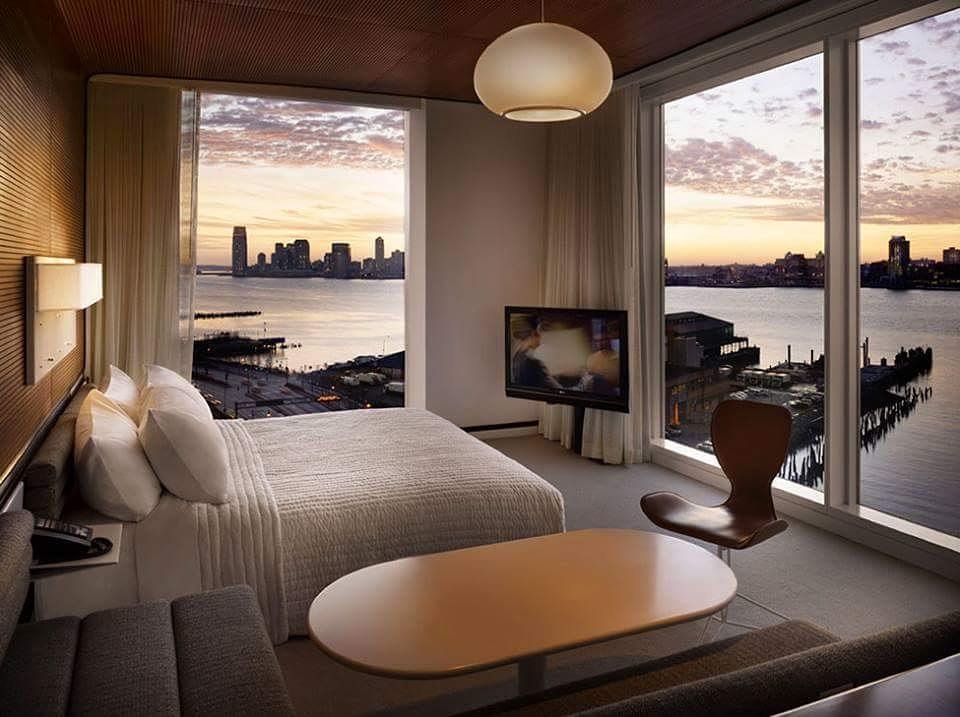
3. Three-Tier Lighting System (Layered Illumination Strategy)
Luxury bedrooms rely on layered lighting rather than a single overhead source. This creates depth, mood control, and visual comfort.
1. Ambient Lighting
Hidden LED strips in ceiling recesses produce a soft, shadow-free glow that supports natural circadian rhythms.
2. Task Lighting
Pendant lamps or bedside fixtures provide focused illumination for reading and functional use.
3. Accent Lighting
Wall-grazing lights highlight textured surfaces such as wood slats, stone panels, or decorative walls, enhancing material richness.
Additionally, under-glow lighting beneath beds and cabinets creates a floating visual effect, making heavy furniture appear weightless.
4. Kinetic Geometry and Visual Movement
Minimalist interiors can sometimes feel static. To solve this, designers introduce controlled visual motion through geometry.
Design methods include:
- Vertical wood or metal slats that elongate wall height
- Diagonal lines across wardrobes and ceiling panels
- Repeating geometric patterns that guide the eye across the room
These elements create rhythm, energy, and visual flow without overwhelming the space.
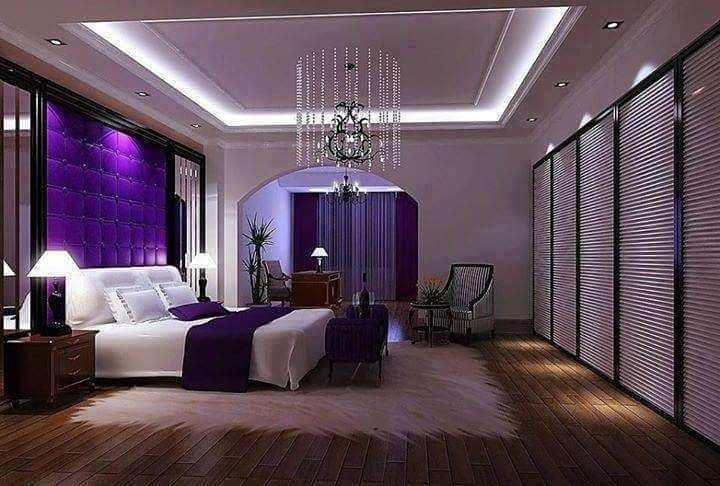
5. Acoustic Luxury and Soft-Shell Interiors
Luxury bedrooms are now designed as silent, controlled environments where sound quality is just as important as appearance.
Key acoustic strategies:
- Wall-to-wall upholstered panels that reduce echo
- Heavy curtains that block external noise
- Soft textiles layered across floors and walls
At the same time, designers balance hard and soft materials:
- Hard surfaces: marble, glass, polished stone
- Soft surfaces: velvet, silk, wool, fabric panels
This combination ensures the room feels both elegant and comfortable.
6. High-Contrast Material Mapping
A modern luxury aesthetic often relies on controlled contrast to create visual structure.
Common combinations include:
- Dark wood paired with glossy white surfaces
- Matte finishes balanced with reflective materials
- Neutral tones layered with metallic accents
This technique, sometimes called dual-tone blocking, prevents monotony while maintaining a refined and cohesive style.
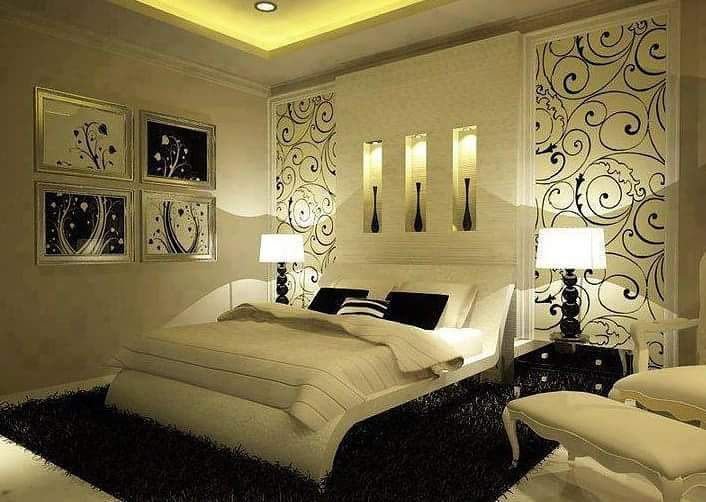
7. Organic Curves and Soft Transitions
To balance sharp architectural lines, designers introduce flowing and organic forms.
Examples include:
- Curved ceiling transitions (S-shaped soffits)
- Rounded furniture edges
- Fluid wall-to-ceiling connections
These soft transitions reduce visual tension and create a more calming, human-centered environment.
8. Reflective Surfaces and Spatial Expansion
Mirrors and glossy finishes are used strategically to enhance spatial perception.
Effects include:
- Increased perception of room size
- Amplified natural and artificial light
- Enhanced depth through reflection
When combined with lighting design, reflective surfaces help even small bedrooms feel open, bright, and luxurious.
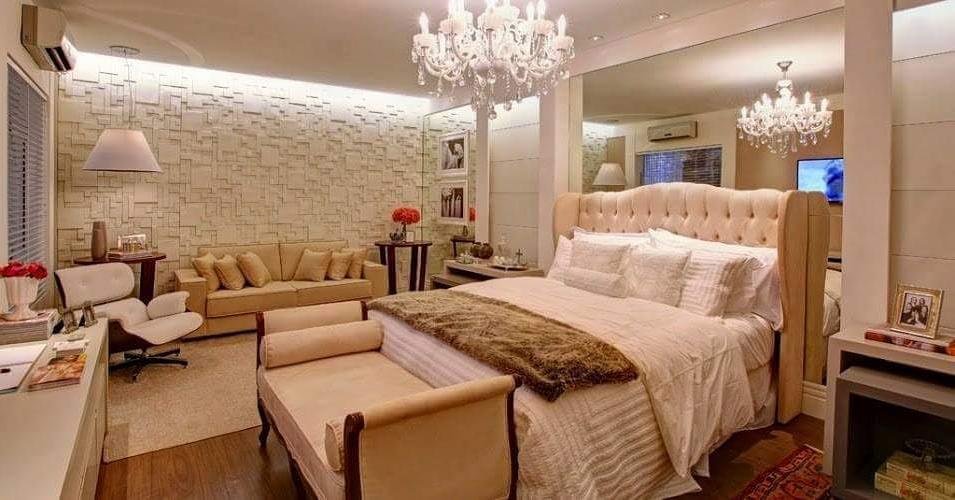
9. Material Layering and Sensory Balance
True luxury design engages multiple senses, especially touch.
A well-balanced bedroom includes:
- Soft rugs for comfort underfoot
- Smooth stone or glass for visual clarity
- Textured fabrics for warmth and depth
This layering ensures the space feels emotionally rich and physically comfortable.
10. Invisible Technology Integration
In 2026, technology is fully integrated into architecture rather than displayed openly.
Examples include:
- Hidden charging ports inside nightstands
- Smart lighting systems embedded into walls
- Speakers concealed behind fabric or wood panels
The goal is simple: technology should serve the space without disrupting its visual purity.
Conclusion: The Future of Luxury Bedroom Design
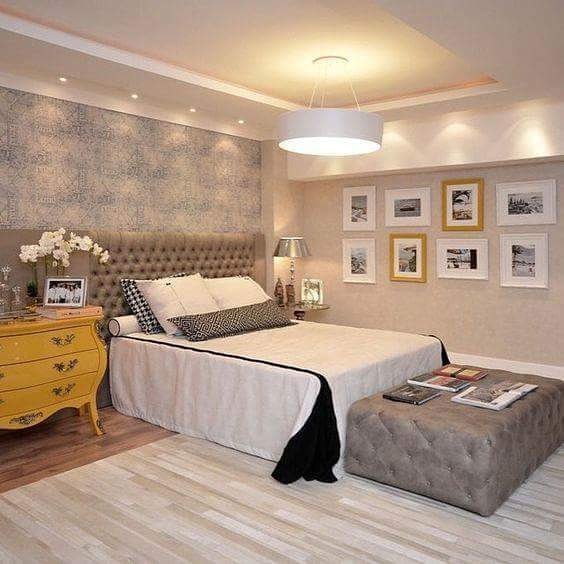
Modern master bedroom design has evolved into a complete architectural experience. Instead of decorating with separate objects, designers now construct fully integrated environments where light, structure, texture, and technology operate as one system.
The result is a space that is not only visually stunning but also emotionally calming, acoustically controlled, and functionally intelligent.
In 2026 and beyond, true luxury is defined by one principle: seamless integration over visible decoration.