Modern Wall Art for Dining Area Inspiration
Wall Art for Dining Area: Stylish Ideas to Transform Your Space
Choosing the right wall art for dining area spaces can completely change the mood and personality of your home. Whether your style is modern, minimalist, rustic, or classic, the dining space deserves special attention. Walls in a dining area are more than just structural elements—they are a canvas to express creativity and warmth. In this guide, we will explore beautiful and practical ideas to upgrade your dining area wall with stylish décor solutions that fit both large and compact spaces.Why Wall Art Matters in a Dining Area
https://www.instagram.com/dining_rooms/
The dining room is where families gather, guests are entertained, and memories are created. A thoughtfully designed dining area wall design enhances the overall ambiance and makes the space feel complete. Wall art adds:- Visual interest
- Personality and character
- Balance and symmetry
- Warmth and depth
Popular Dining Area Wall Ideas
https://www.instagram.com/dining_rooms/
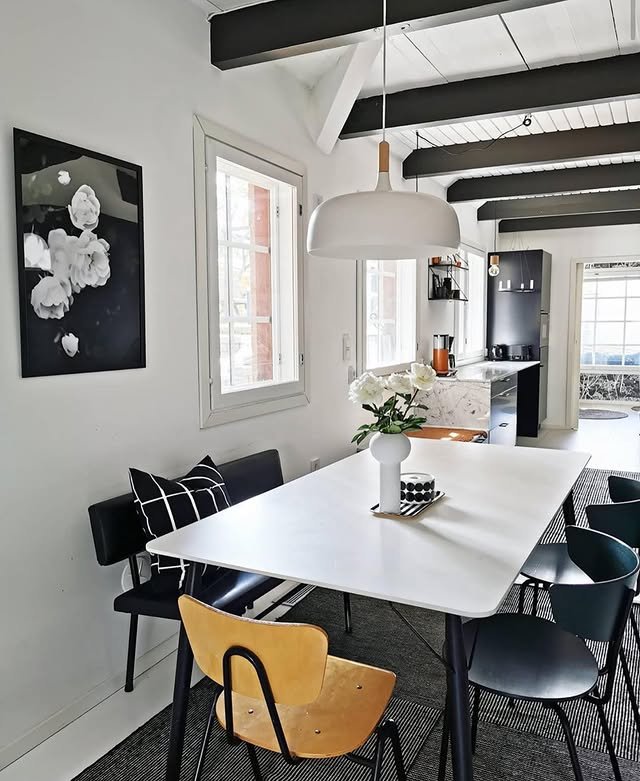
If you are searching for creative dining area wall ideas, here are some timeless options:1. Gallery Wall Arrangement
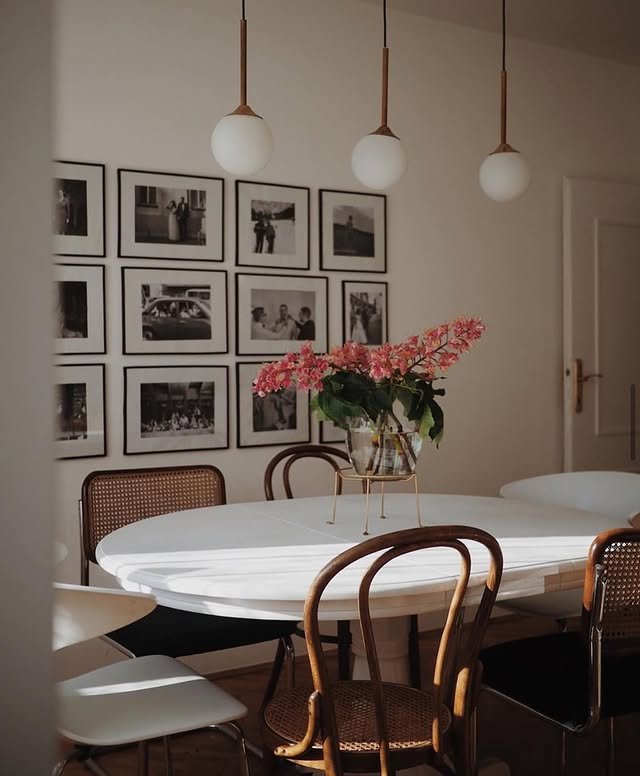
A gallery wall with framed photographs, abstract prints, or black-and-white art creates a modern and sophisticated atmosphere. Keep frames consistent for a clean look or mix styles for an eclectic feel.2. Large Statement Artwork
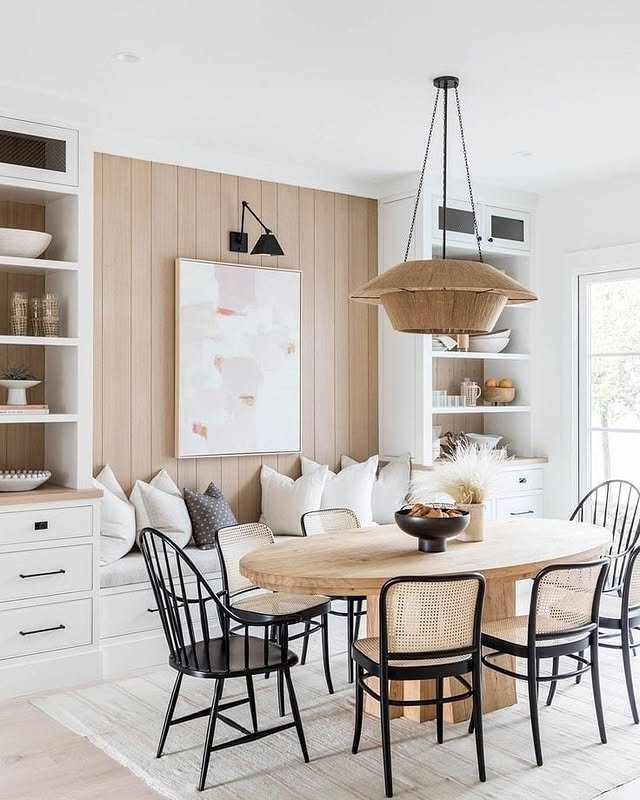
One oversized artwork can serve as the focal point of your dining area. This works especially well in minimalist or contemporary interiors.3. Mirrors for Light and Space
Mirrors are both decorative and functional. They reflect light, making the dining area appear brighter and more spacious.4. Floating Shelves
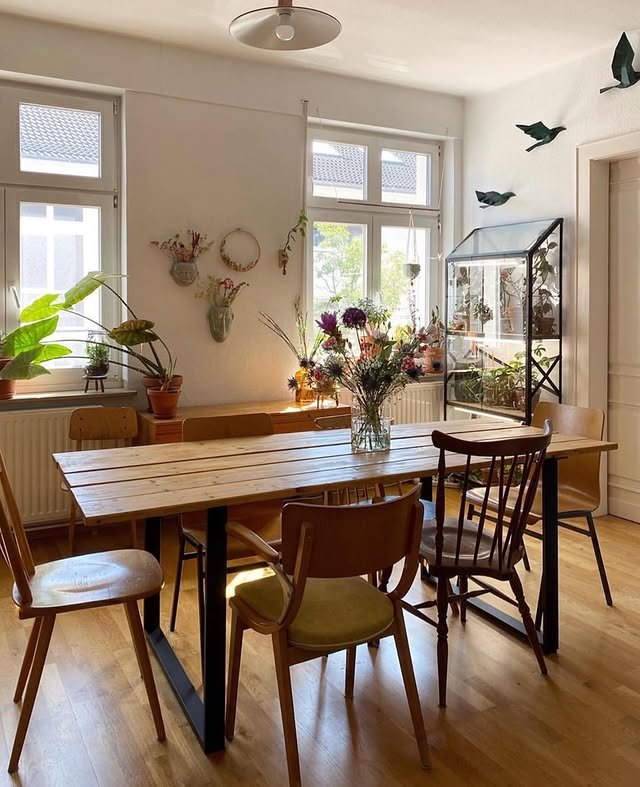
Install floating shelves on your dining area wall to display small plants, vases, candles, or decorative plates. This adds depth and flexibility to your wall design.Dining Area Wall Design for Modern Homes
https://www.instagram.com/dining_rooms/
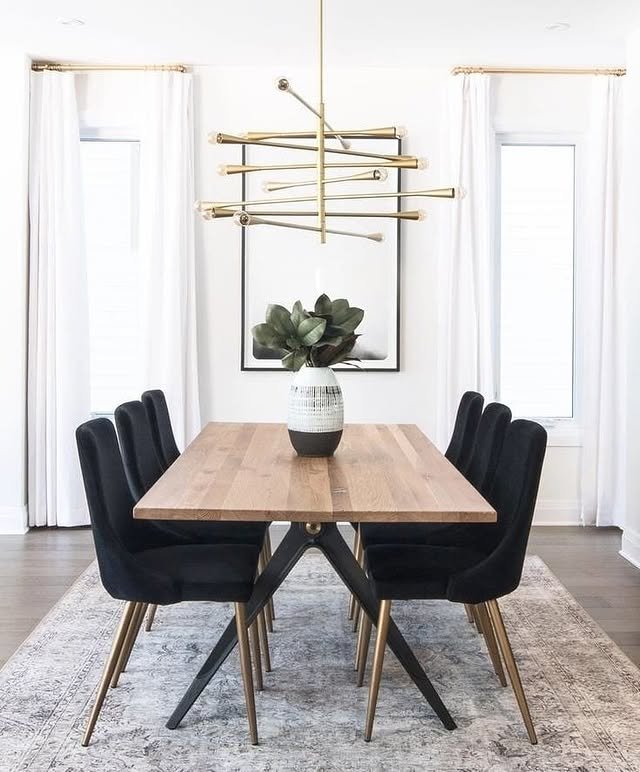
A well-planned dining area wall design should complement your furniture and lighting. In modern interiors, clean lines and neutral tones work best.- Choose abstract or geometric wall art.
- Use black metal frames for a contemporary touch.
- Add textured wall panels for a luxury feel.
- Combine artwork with soft pendant lighting for balance.
Small Dining Area Wall Decor Ideas
Decorating compact spaces requires creativity. These small dining area wall decor ideas help maximize style without overcrowding the room:- Use vertical artwork to draw the eye upward.
- Install slim floating shelves instead of bulky cabinets.
- Choose light-colored frames to keep the space airy.
- Add a single bold art piece instead of multiple small ones.
- Incorporate wall-mounted planters for a natural touch.
How to Choose the Perfect Wall Art for Dining Area
https://www.instagram.com/dining_rooms/
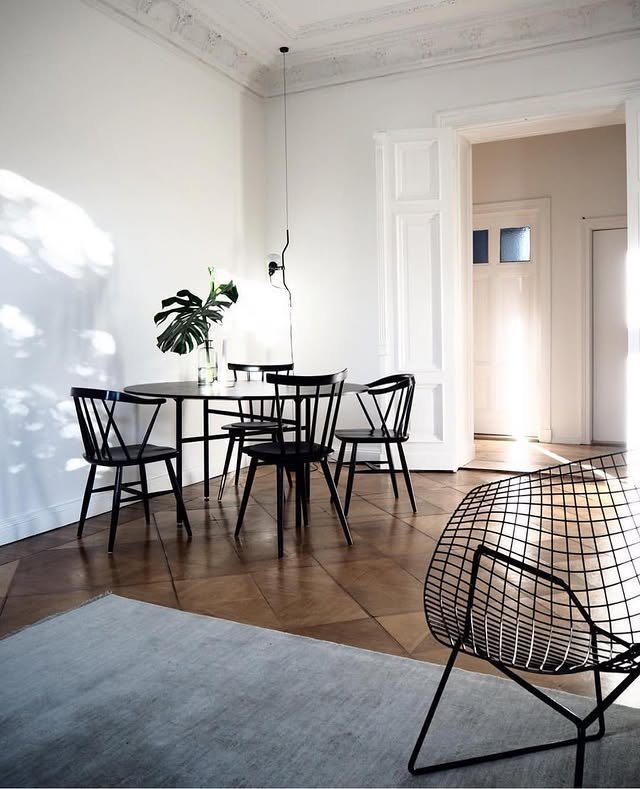
When selecting wall art for dining area, consider the following:- Match colors with your dining chairs, rug, or table décor.
- Select themes that create a welcoming mood (nature, food-inspired art, abstract calm tones).
- Ensure proper sizing—art should be proportional to the wall and table.
- Maintain spacing between frames for a clean look.
Final Thoughts
Your dining area wall plays a vital role in shaping the atmosphere of your home. From modern gallery arrangements to creative small dining area wall decor ideas, there are endless possibilities to personalize your space. By combining thoughtful dining area wall design with stylish and meaningful wall art for dining area, you can create a warm, inviting, and visually stunning environment that leaves a lasting impression on family and guests alike.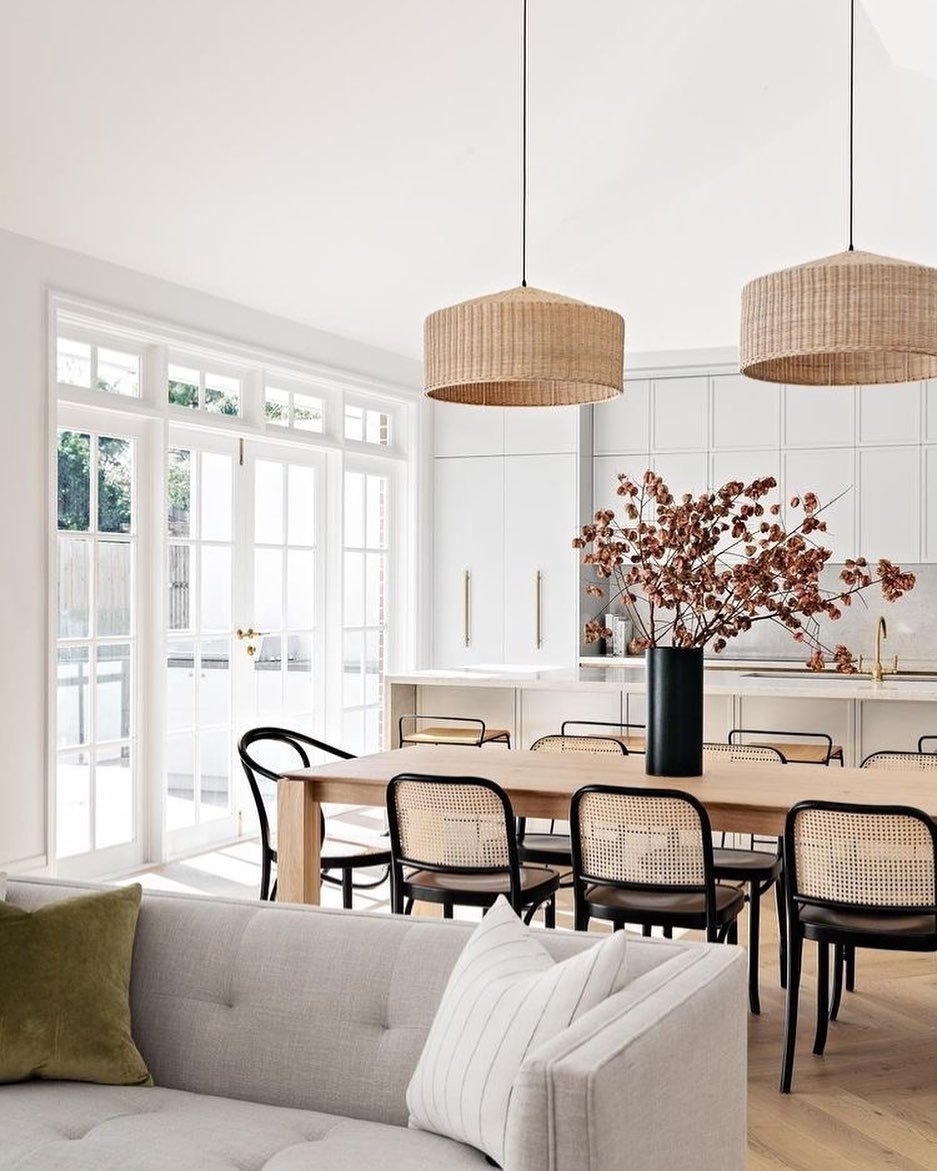
https://www.instagram.com/diningroomdesignideas/
Japandi Fusion: The Intersection of Cane, Wood, and Light
This open-concept dining area is a beautiful representation of “Japandi” style—a hybrid of Japanese artistic minimalism and Scandinavian functionality. The room relies on a palette of soft whites, light woods, and black accents to create a space that feels disciplined yet deeply comfortable.
The Aesthetic Core: Cane and Curves
The seating choice is the most distinctive element of this design, bringing a tactile, vintage-inspired warmth to the modern setting.
-
Cane Back Chairs: The black-framed dining chairs with cane webbing introduce a classic “bistro” texture. The use of natural cane adds an organic, handmade feel that softens the clean lines of the kitchen cabinetry in the background.
-
Repetitive Silhouettes: The rounded backs of the chairs provide a gentle, flowing silhouette that contrasts with the rectangular solid wood dining table.
Lighting and Proportion
The use of oversized drum pendants defines the dining zone within the larger open floor plan.
-
Woven Textures: These large, light-tan woven shades mirror the material of the chair backs, creating a cohesive “texture story.” Their scale is intentionally large, which makes the dining area feel more significant and grounded.
-
Warm Diffusion: Woven shades are excellent for creating a soft, ambient glow that eliminates harsh shadows, perfect for long dinners and conversation.
The Floral Statement
The center of the table features a striking minimalist arrangement that serves as a focal point.
-
High Contrast: A matte black cylindrical vase creates a bold vertical line against the light wood table.
-
Dried Elements: Instead of traditional fresh flowers, the use of large, dried terracotta-toned branches adds a sculptural quality. This choice reinforces the “earthy” vibe of the room and requires zero maintenance.
Architectural Harmony
The room benefits from an abundance of natural light and smart integrated design.
-
The White Kitchen: In the background, floor-to-ceiling white cabinetry with slim brass hardware provides a “quiet” backdrop. The integrated appliances and lack of clutter allow the dining furniture to take center stage.
-
French Doors: Large gridded French doors flood the space with light and offer a view of the outdoors, making the indoor “natural” materials (wood and cane) feel even more connected to their origin.
Key Design Takeaway: Material Repetition
To make a room feel professionally designed, repeat a material at different heights. Here, the cane/woven texture is seen at eye level (the chairs) and ceiling level (the lights). This creates a vertical “echo” that ties the entire room together.
https://www.instagram.com/diningroomdesignideas/
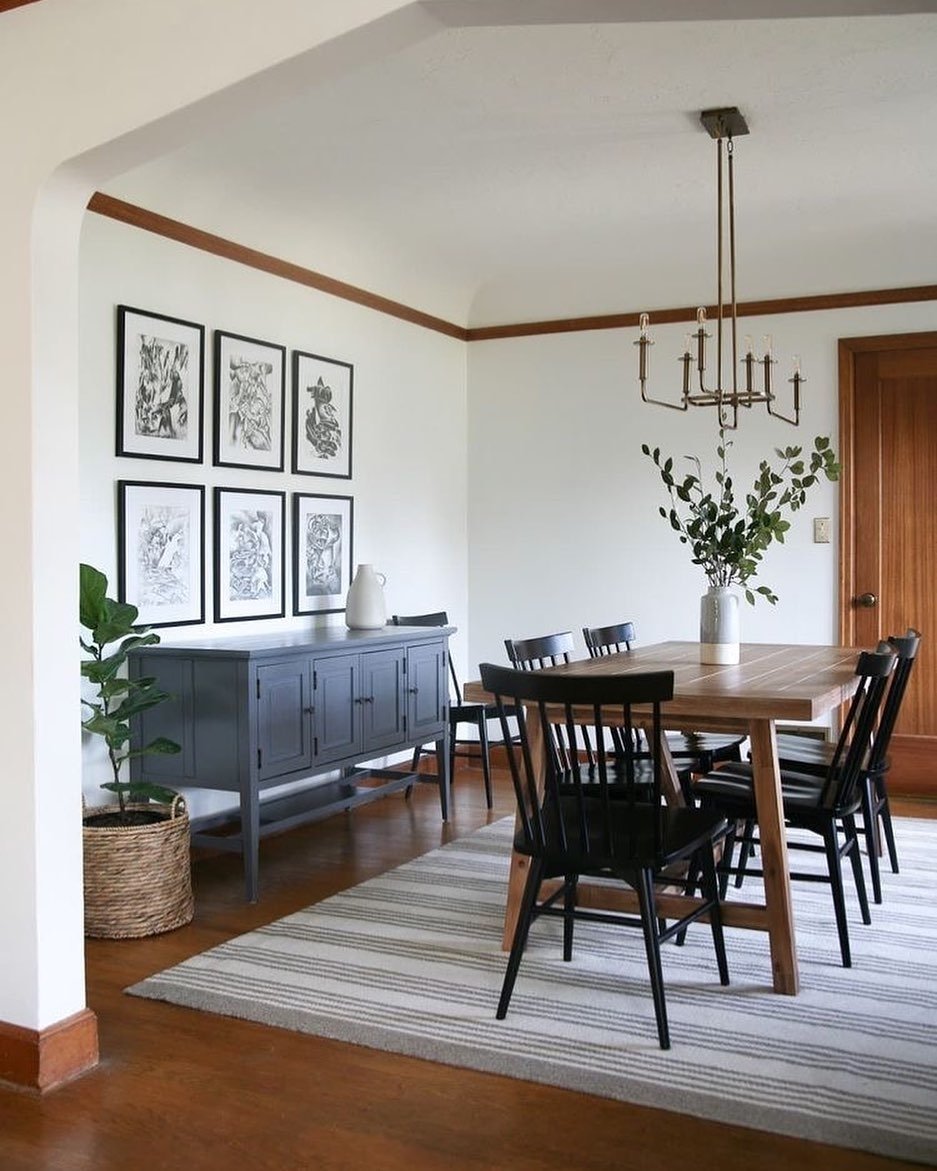
Transitional Harmony: Blending Heritage Details with Modern Lines
This dining room is a masterclass in “Transitional” design—a style that seamlessly bridges the gap between traditional architectural bones and contemporary furniture. By utilizing a high-contrast color palette and repeating geometric motifs, the space feels updated and fresh without losing the warmth of a classic family home.
Architectural Anchors: Wood and White
The room benefits from beautiful original details that are highlighted rather than hidden.
-
Warm Perimeter: The medium-toned wood trim and crown molding provide a continuous horizontal line that anchors the white walls. This warmth is reflected in the heavy, farmhouse-style trestle table and the polished hardwood floors.
-
The Arched Entry: The soft curve of the plastered entryway provides a gentle transition into the room, contrasting the sharper, more angular lines of the furniture.
The Contrast Strategy: Charcoal and Oak
To modernize the traditional wood base, the designer introduced deep charcoal and black elements.
-
The Statement Sideboard: A long, traditional sideboard is finished in a matte charcoal blue. This “hero” piece provides substantial storage while acting as a bold visual weight against the white wall.
-
Black Spindle Chairs: The black Windsor-style chairs are a recurring favorite in modern-traditional homes. Their slim, vertical spindles provide a graphic “pop” and keep the visual flow open around the solid wood table.
Art and Symmetry: The Grid Gallery
The wall above the sideboard features a perfectly symmetrical 2×3 grid of framed art.
-
Cohesive Subject Matter: Using black-and-white sketches or prints across all six frames creates a unified look. The consistent black frames tie into the dining chairs and the hardware of the sideboard.
-
Balanced Scale: The gallery wall is sized to match the width of the sideboard, creating a “column” of design that draws the eye upward and emphasizes the room’s height.
Textiles and Lighting
-
The Linear Rug: A large, grey-and-white striped rug anchors the dining set. The horizontal stripes mirror the lines of the table and the floorboards, helping to “stretch” the room visually.
-
Minimalist Candelabra: The brass chandelier features a slim, multi-arm design that feels like a modern evolution of a classic candelabra. The brass finish introduces a touch of metallic warmth that complements the wood trim.
-
Organic Life: A tall Fiddle Leaf Fig in a woven basket and a vase of fresh eucalyptus bring organic shapes and vibrant greens into the room, softening the structured lines of the furniture.
Key Design Takeaway: Creating “Visual Echoes”
To make a room feel intentional, look for ways to “echo” colors and shapes. In this space, the black of the chairs is echoed in the art frames; the wood of the table is echoed in the wall trim; and the grey of the sideboard is echoed in the stripes of the rug. These repetitions are what make a multi-piece room feel like a singular, cohesive thought.
https://www.instagram.com/diningroomdesignideas/
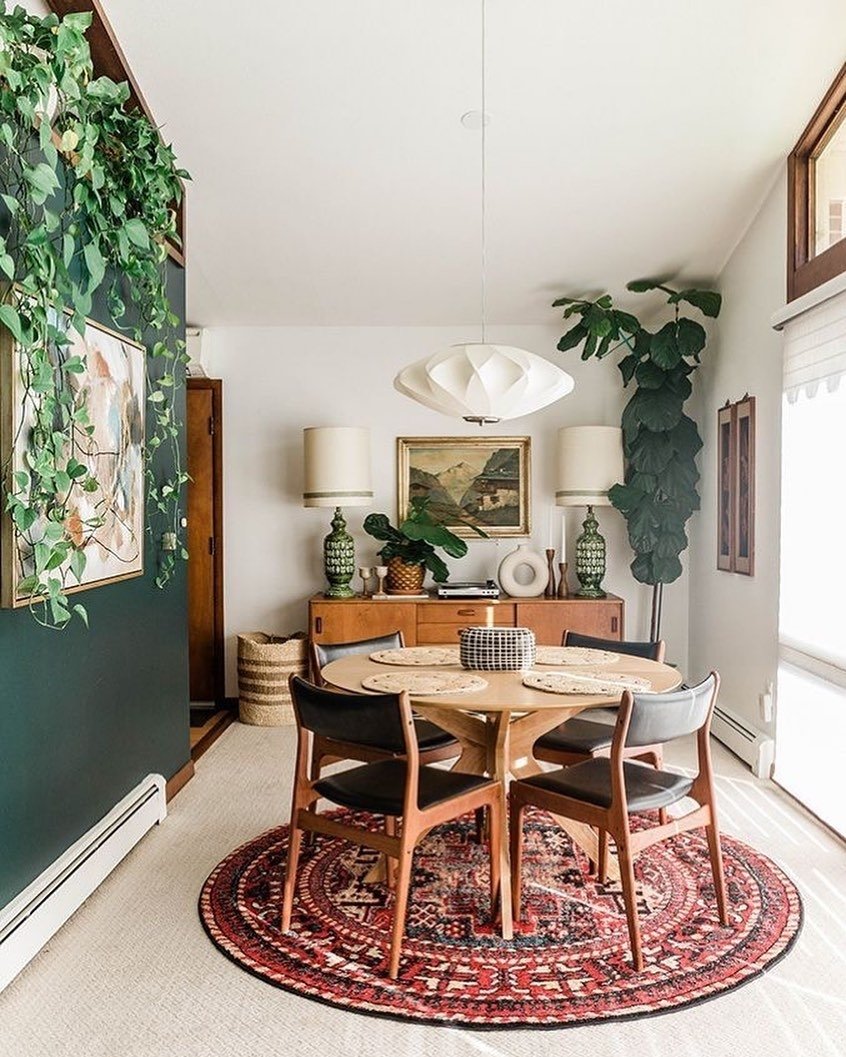
Retro-Chic Revival: A Masterclass in Mid-Century Layers
This dining room is a vibrant example of how to execute “New Retro” design—a style that honors the iconic silhouettes of the 1950s and 60s while grounding them with modern textures and lush greenery. By layering a circular rug over a neutral base and utilizing varied wall treatments, the space feels curated, energetic, and full of personality.
The Foundation: Layered Textiles and Tones
The room uses a clever flooring strategy to define the dining zone within an open space.
-
Circular Focal Point: A round, ornate Persian-style rug in deep reds and navy sits directly under the table. Placing a round rug on top of a neutral, wall-to-wall cream carpet creates a “room within a room,” a perfect technique for open-concept layouts.
-
Deep Teal Accent: The left wall is painted a moody, deep teal, providing a dramatic backdrop for art and cascading plants. This dark vertical plane adds depth and makes the white walls and warm wood furniture appear even brighter.
The Furniture: Mid-Century Icons
The dining set celebrates organic wood forms and functional elegance.
-
The Round Oak Table: A light-oak pedestal table with an X-base allows for maximum legroom and creates a soft, communal flow.
-
The Sideboard: In the background, a low-slung teak sideboard serves as a functional anchor. Its clean lines and rich wood grain are hallmarks of mid-century modern craftsmanship.
-
Leather Seating: The chairs feature warm wood frames and black leather upholstery, offering a sophisticated, masculine edge that balances the colorful rug.
Lighting and Symmetrical Styling
-
The Saucer Pendant: Hanging low over the table is a white, pleated saucer-style pendant light. This classic shape distributes light evenly and acts as a geometric counterpoint to the organic furniture.
-
Vintage Symmetry: On the sideboard, a pair of oversized, green ceramic lamps with tall cream shades flank a central landscape painting. This formal arrangement adds a sense of tradition and “glamour” to the eclectic space.
Living Decor: The “Jungalow” Influence
The room is brought to life with a strategic use of biophilic elements.
-
Cascading Vines: A Pothos plant spills down from the top of the teal wall, its bright green leaves popping vividly against the dark paint.
-
The Fiddle Leaf Fig: A tall, slender Fiddle Leaf Fig stands in the corner, adding height and an organic vertical line that breaks up the flat planes of the walls.
Key Design Takeaway: Mixing Art Eras
Notice how the room combines a contemporary abstract painting on the teal wall with a traditional, gold-framed landscape on the sideboard. Mixing art styles—abstract with traditional—is a foolproof way to make a room feel like a collection gathered over time rather than a set bought from a single store.
https://www.instagram.com/diningroomdesignideas/
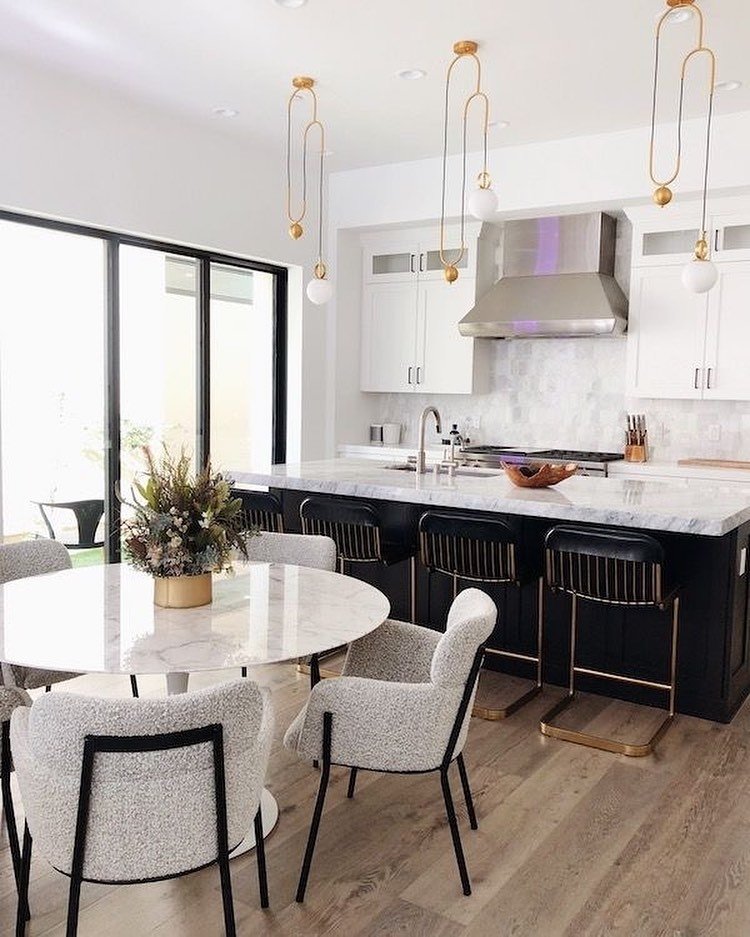
Sophisticated Curves: A Study in Modern Monochromatic Luxury
This open-concept dining area and kitchen represent a masterclass in modern luxury, utilizing rounded silhouettes and mixed metallic finishes to create a space that feels both high-end and welcoming. By layering textures like marble, bouclé, and brass, the design achieves a “Quiet Luxury” aesthetic that prioritizes quality and form over bold color.
The Palette: High-Contrast Neutrals
The room’s success lies in its disciplined use of a high-contrast neutral palette.
-
Marble and Stone: The centerpiece is a round white marble dining table, which echoes the massive marble waterfall island in the kitchen. This repetition of premium natural stone creates a seamless visual flow between the cooking and dining zones.
-
The Black Anchor: The kitchen island features deep black cabinetry, which provides a dramatic anchor for the room. This dark base makes the white marble tops and brass accents stand out with razor-sharp clarity.
Sculptural Seating: Texture and Form
The seating choices in this space are highly intentional, focusing on tactile comfort and unique silhouettes.
-
Bouclé Dining Chairs: The dining chairs are upholstered in a light grey bouclé fabric, adding a trendy, nubby texture that softens the hard surfaces of the marble and wood. Their black metal frames tie back into the kitchen’s dark cabinetry.
-
Linear Counter Stools: At the island, the black and gold counter stools feature a vertical linear back design. This introduces a rhythmic, graphic element that contrasts beautifully with the smooth curves of the dining chairs.
Lighting as Functional Art
Perhaps the most striking feature of the room is the innovative pendant lighting.
-
The Triple Arcs: Three identical gold pendants hang over the kitchen island. Their unique “u-shaped” or arched design feels more like sculptural art than traditional lighting.
-
Brass and Glass: The mix of warm brass arms with simple globe bulbs introduces a touch of Mid-Century Modern flair while maintaining a contemporary, minimalist edge.
Curated Life
The styling is kept intentionally sparse to maintain the room’s airy feel.
-
Organic Centerpiece: A large, textured floral arrangement in a gold-finished vase sits on the dining table. It introduces an organic, wild element that breaks up the perfectly polished surfaces of the rest of the room.
-
Seamless Integration: The kitchen background features white, handle-less upper cabinetry and a subtle tiled backsplash, ensuring the functional parts of the home “recede” into the architecture.
Key Design Takeaway: Rounding the Corners
In a large, open space with many straight lines (like cabinetry and sliding glass doors), introducing circular elements—like a round table, arched lights, and curved chair backs—is essential. These shapes soften the room’s energy and make the transition between different functional zones feel more natural and fluid.