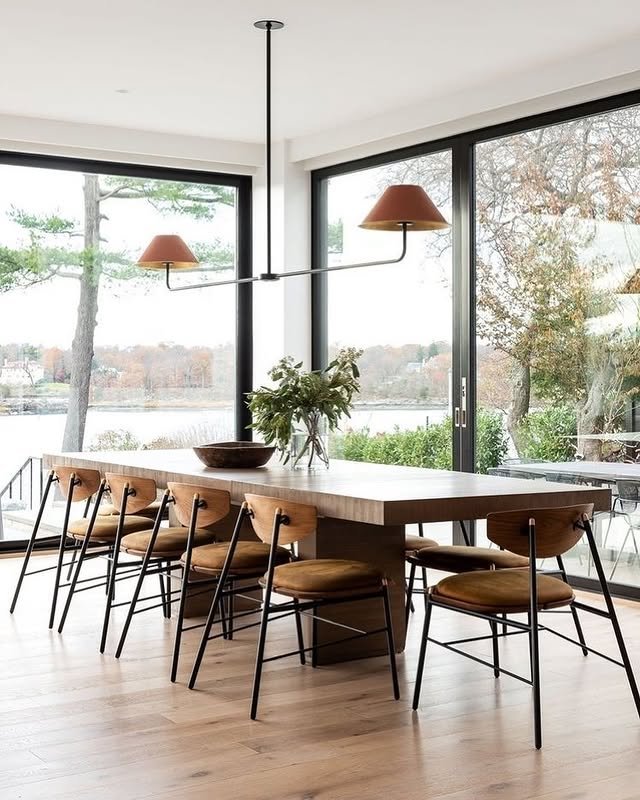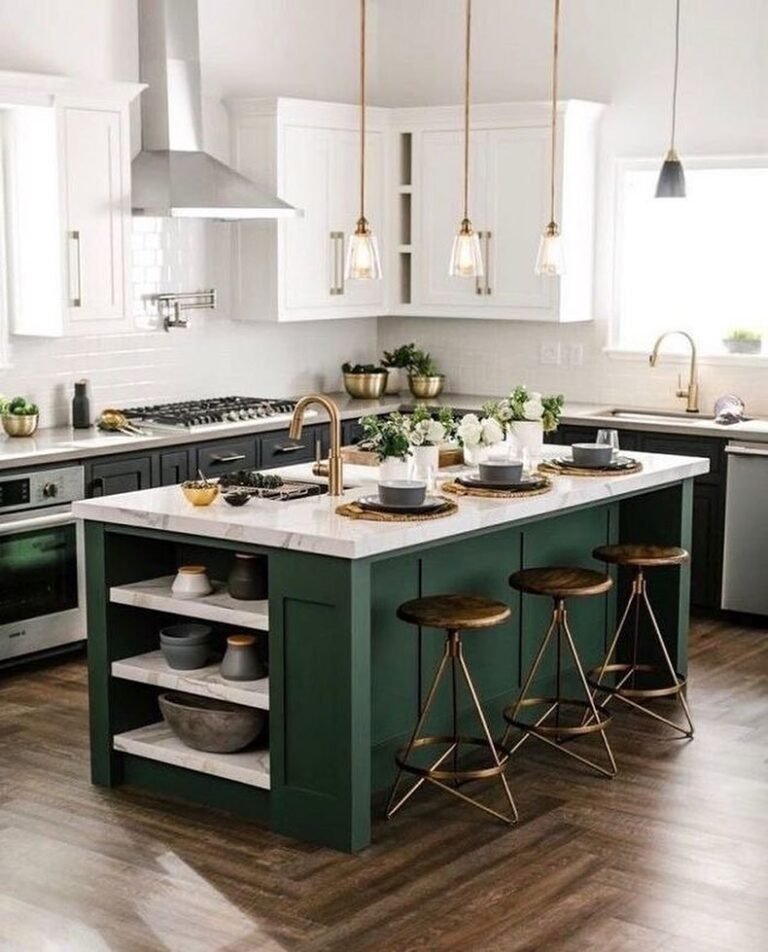
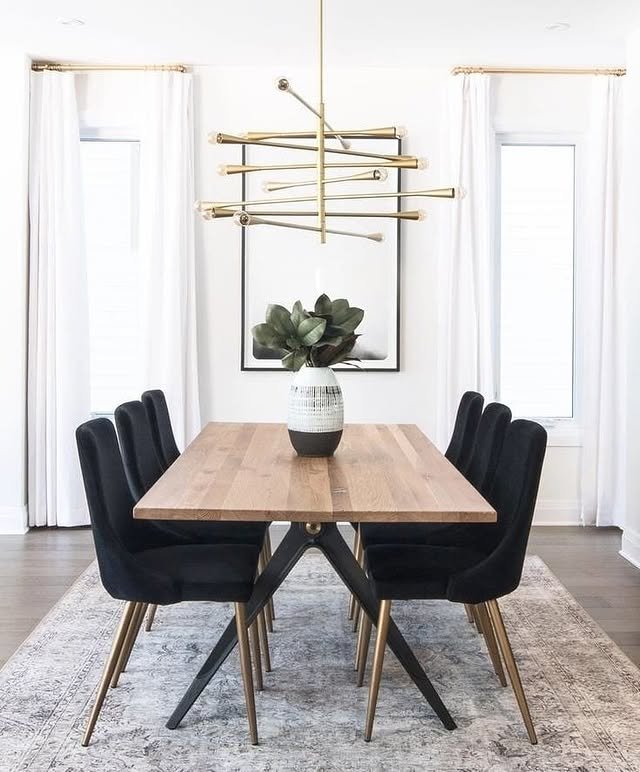
Modern Dining Table Set Collections
Modern Dining Table Set Collections: Choosing the Perfect Dining Room Table
A modern dining table set is an essential part of any dining space. It brings style, comfort, and functionality to the room where families gather and guests are entertained. Today’s dining room table designs combine elegant materials, smart layouts, and contemporary aesthetics. Whether you prefer a minimalist table or a luxurious marble surface, modern dining table set collections offer options for every interior style.
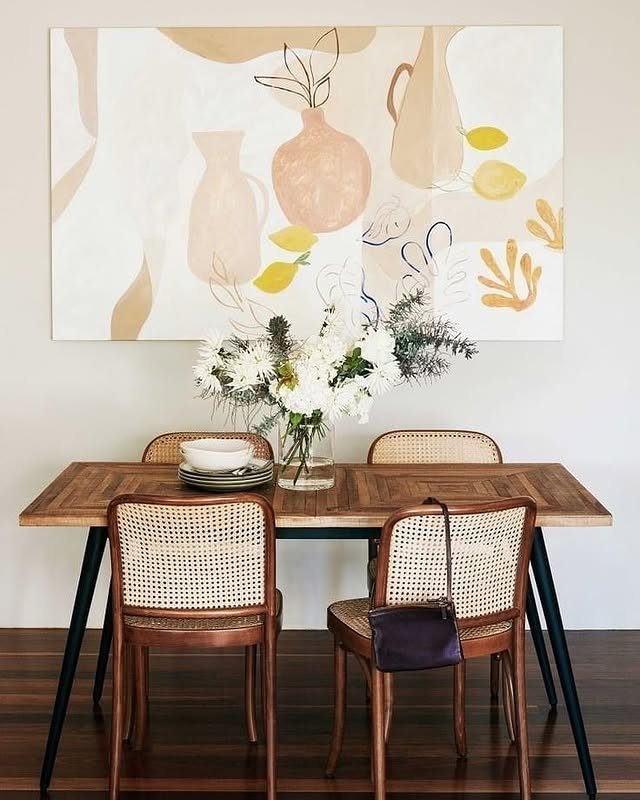
The Importance of a Dining Room Table
A dining room table is more than just a place to eat. It often becomes the center of family conversations, celebrations, and everyday moments. Choosing the right dining table helps create a welcoming atmosphere in your home. A well-designed modern dining table set improves both the look and functionality of your dining room.
Modern dining sets usually include a dining table and matching chairs. These collections are designed to complement each other in style, size, and comfort. This makes it easier for homeowners to create a balanced and attractive dining area.
Popular Modern Dining Table Set Styles
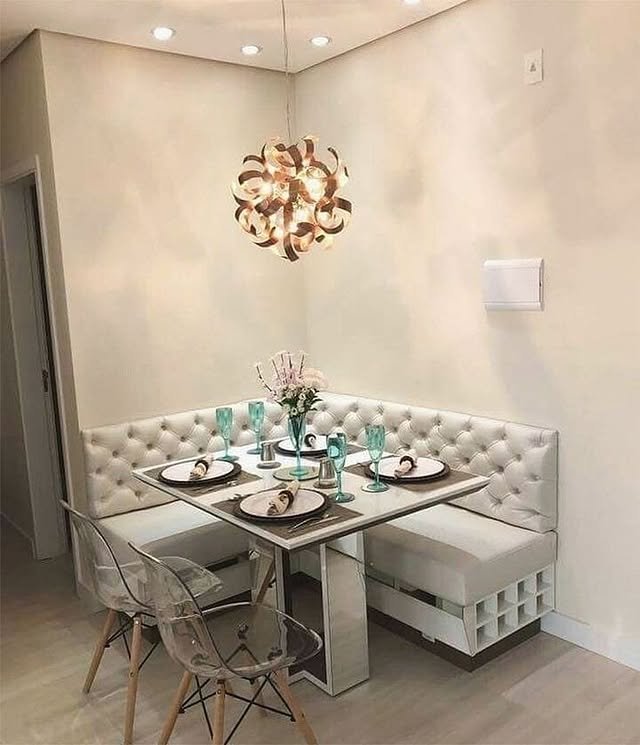
Modern dining table sets are available in a variety of styles. Each design offers a unique visual appeal and suits different interior themes.
Minimalist dining table sets feature clean lines, neutral colors, and simple shapes. They are perfect for modern apartments and contemporary homes.
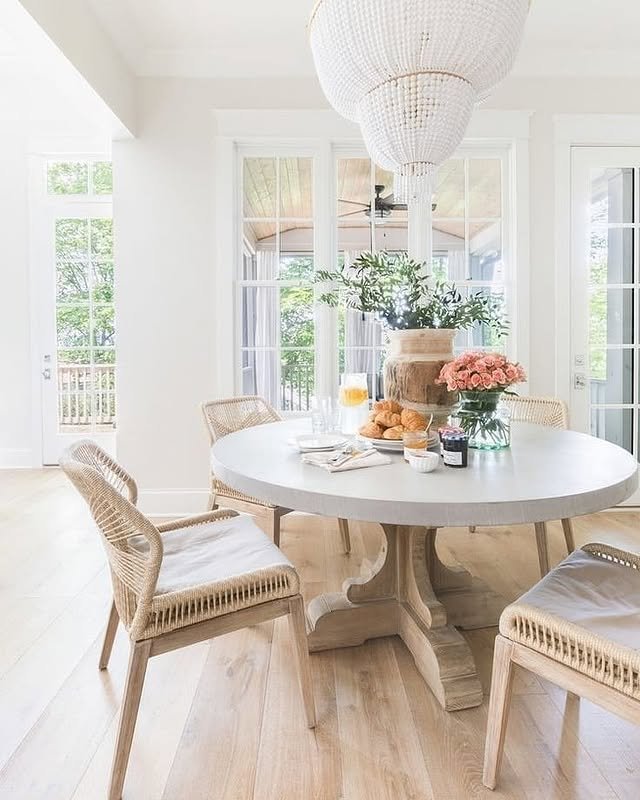
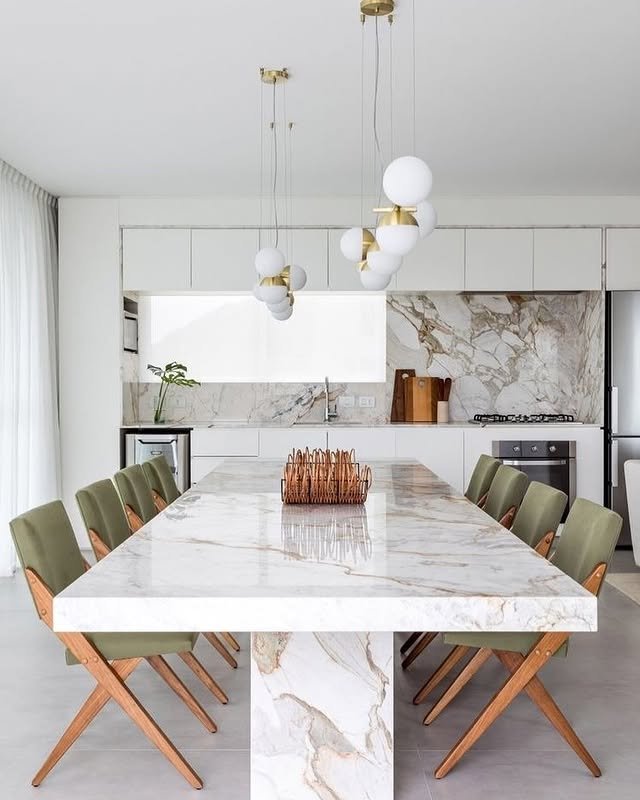
Marble dining table sets bring luxury and sophistication to the dining room. A marble top dining room table paired with upholstered chairs creates a refined and elegant environment.
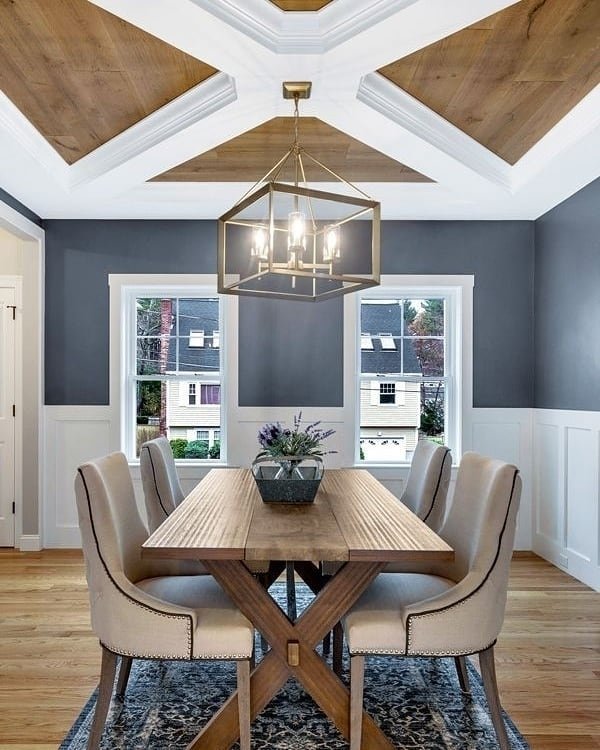
Wooden dining table sets provide warmth and natural charm. Solid wood tables are durable and work well with both modern and classic décor styles.
Glass dining tables create an open and airy look. They are ideal for small dining spaces because the transparent surface makes the room feel larger.
Choosing the Right Dining Room Table Size
When selecting a modern dining table set, size is one of the most important factors. The table should fit comfortably within the dining space while leaving enough room for movement.
For small dining areas, a round dining room table or compact square table works best. These shapes save space and improve the flow of the room.
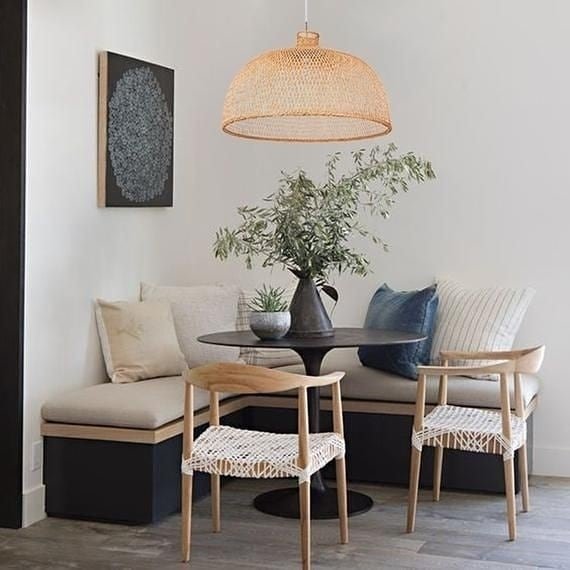
For larger spaces, a rectangular dining room table offers more seating capacity. It is perfect for family gatherings or dinner parties. Oval dining tables also provide extra seating while maintaining smooth edges.
Always leave about 36 inches of space around the table to ensure comfortable movement.
Materials Used in Modern Dining Table Sets
Modern dining table sets are made from various materials that affect durability and style.
Wood remains one of the most popular choices. It offers strength, longevity, and a timeless look.
Marble adds luxury and a unique natural pattern to the tabletop. A marble dining room table can instantly elevate the appearance of the dining space.
Glass is often used in contemporary interiors. It reflects light and gives the room a sleek appearance.
Metal bases are commonly paired with marble or wood tops. They provide strong support and add an industrial or modern touch.
Styling Your Modern Dining Room Table
Decorating your dining room table can enhance the overall look of the space. A simple centerpiece such as a vase with fresh flowers or greenery adds life to the table. A stylish table runner or decorative bowl can also create visual interest.
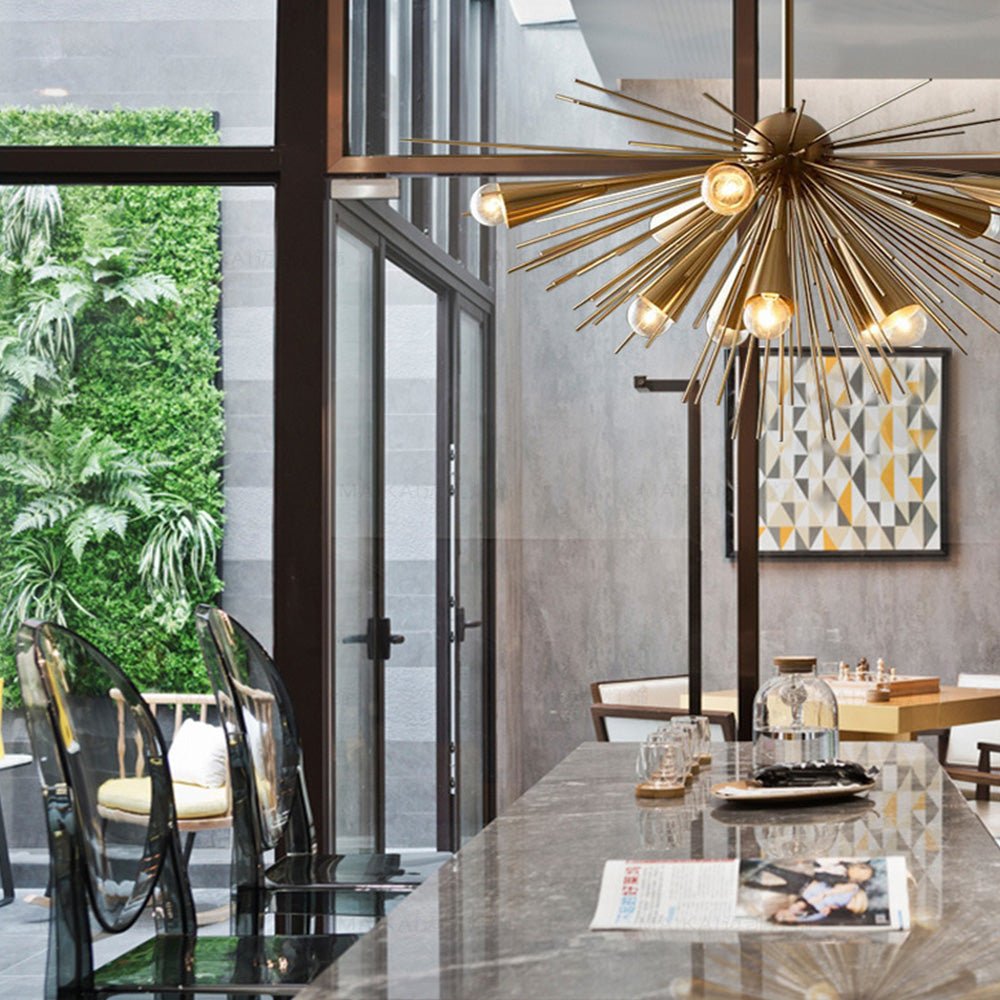
Lighting also plays an important role. A modern chandelier or pendant light above the dining table highlights the furniture and creates a warm dining atmosphere.
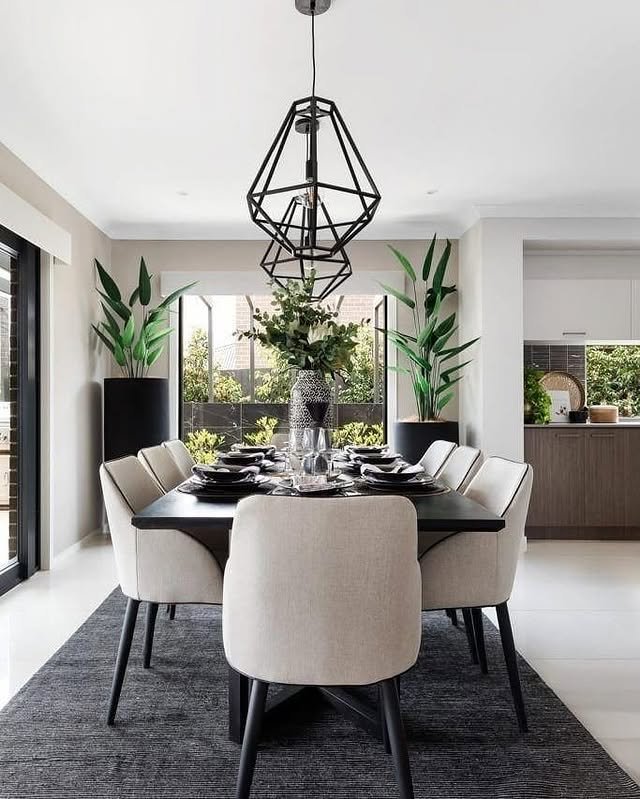
Matching chairs with comfortable upholstery improve both style and comfort. Neutral fabrics, leather, or velvet chairs are popular choices in modern dining table sets.
Final Thoughts
Modern dining table set collections offer a wide variety of designs, materials, and sizes to suit different homes. From elegant marble tables to minimalist wooden designs, there is a perfect dining room table for every interior style.
Choosing the right dining table set helps create a functional and inviting dining area. With thoughtful selection and proper styling, your modern dining room table can become the centerpiece of your home for many years.
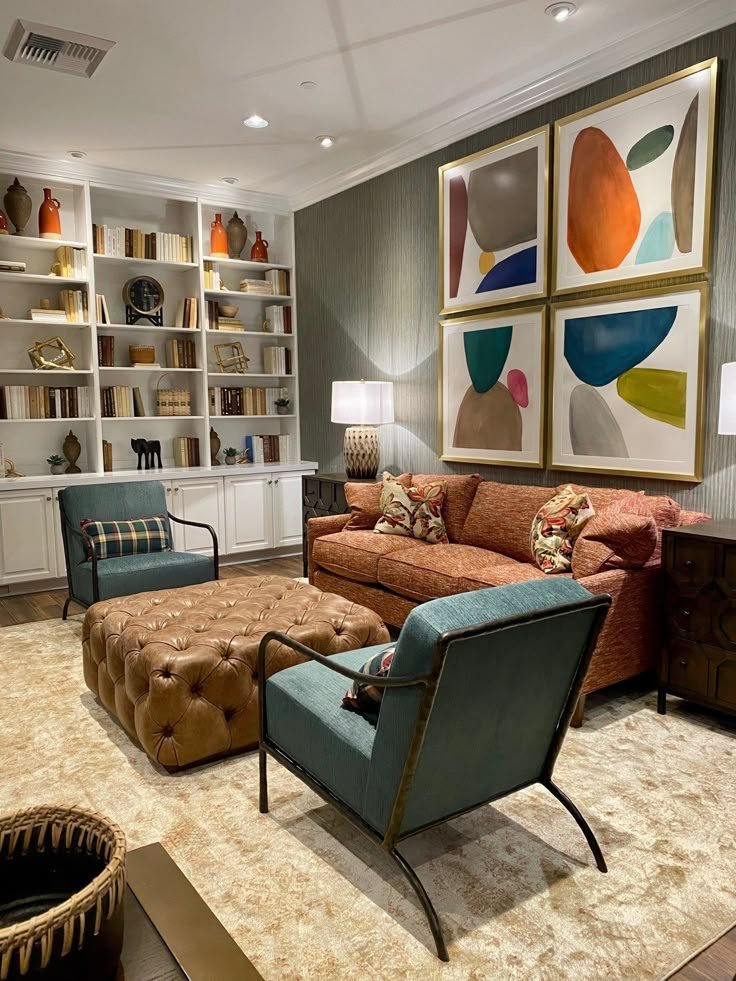
The Art of Curated Color: Sophisticated Palettes in Modern Living
Contemporary interior design is moving beyond simple neutrals toward a more intentional use of saturated color and curated art. By layering bold hues with diverse textures and structured displays, these living and dining spaces achieve a balance that is both artistically expressive and deeply grounded.
1. The Power of Saturated Neutrals and High Contrast
A recurring theme in modern design is the use of deep, moody tones to anchor a room and provide a backdrop for vibrant accents.
Moody Perimeter Walls: Deep charcoal, forest green, or matte black accent walls—often featuring vertical paneling or wainscoting—create a graphic anchor that allows light-filled furniture to stand out.
The Black-and-White Grid: Utilizing a perfectly symmetrical grid of black-and-white prints against a white wall creates a sense of order and architectural height.
Dark Grounding Elements: Matte black chairs, light fixtures, or window frames provide sharp definition in airy spaces, preventing them from feeling washed out.
2. Vibrancy Through Large-Scale Art
Art has transitioned from a finishing touch to a primary structural element that defines a room’s color story.
The Hero Piece: Massive abstract paintings with vibrant pinks, purples, or blues serve as a central focus, making the room feel creatively alive.
Symmetrical Quadrants: Organizing bold, colorful abstract works in a $2 \times 2$ grid with gold framing adds formal structure to an eclectic palette.
Tonal Echoes: Designers frequently pull secondary colors from the artwork—such as burnt orange, teal, or violet—and repeat them in upholstery and tabletop floral arrangements to create a unified flow.
3. Textural Layering and Organic Warmth
To balance bold colors and hard architectural lines, designers utilize a “Modern Organic” approach rich in tactile variety.
Mixed Seating Materials: Combining plush bouclé or velvet upholstery with woven cane, leather, or paper-cord seating introduces a multifaceted, “collected” feel.
Natural Foundations: Heavy solid-wood tables, ranging from rustic reclaimed trestles to polished oaks, are often grounded by textured jute or geometric wool rugs.
Tactile Finishes: Elements like tufted leather ottomans, woven baskets, and linen throws add “soft” textures that humanize formal layouts.
4. Sculptural Lighting and Symmetry
Lighting serves as the final architectural statement, often emphasizing the room’s symmetry.
Iconic Silhouettes: Tiered glass “petal” chandeliers, oversized woven pendants, or minimalist multi-arm fixtures act as hanging sculptures.
Structured Displays: Flanking art with symmetrical lamps or utilizing white built-in shelving to display curated collections creates a sense of calm and prestige.
Key Design Takeaway: The “Visual Echo”
The hallmark of professional styling is the visual echo—repeating a specific material, finish, or color at different heights. Whether it is matching a black chair spindle to a window frame or echoing the teal in a painting with a nearby armchair, these repetitions tie the room together into a single, intentional thought.
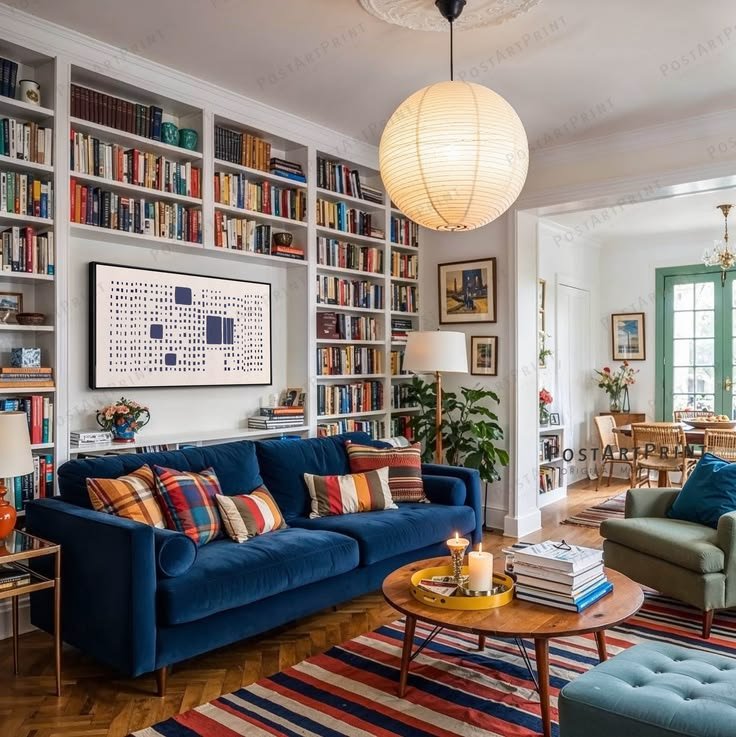
Modern Design Mastery: Integrating Architecture, Texture, and Color
Contemporary interior design has shifted toward a “Modern Organic” aesthetic that favors the integration of raw, natural materials with sharp, architectural lines. By layering contrasting palettes—from moody charcoals to vibrant abstract hues—with tactile textures like woven cane and reclaimed wood, these spaces achieve a sophisticated balance of comfort and high-end style.
Structural Contrast and Moody Foundations
Modern spaces often use deep tones to provide architectural definition and anchor open floor plans.
Graphic Accent Walls: Matte black or charcoal walls, sometimes featuring vertical shiplap or formal paneling, create a dramatic backdrop that makes light furniture and art “pop”.
Monochromatic Order: Symmetrical gallery walls using black-and-white grids create a sense of calm and emphasize the height of a room.
Industrial Framing: Thin black metal frames on windows and furniture legs provide a modern, graphic edge that grounds sun-drenched coastal or rustic settings.
The Warmth of Organic Textures
To soften hard architectural lines, designers lean heavily into natural, tactile materials.
Artisanal Seating: Cane-back bistro chairs and woven paper-cord seats introduce a handmade, vintage-inspired texture to modern dining sets.
Statement Woodwork: Large tables crafted from solid oak or reclaimed wood often serve as the room’s primary organic anchor.
Textural Flooring: Braided jute, geometric wool, and striped rugs add visual “grit” and physical warmth to polished tile or wood floors.
Sculptural Lighting as Art
Lighting has transitioned from a functional tool to the primary sculptural centerpiece of the room.
Natural Weaves: Oversized rattan, seagrass, or slatted wood pendants cast diffused, rhythmic shadows and echo other organic materials.
Luxe Glasswork: Multi-tiered chandeliers featuring frosted glass “petals” or globes add a delicate, glamorous softness to formal spaces.
Industrial Domes: Large, matte black dome pendants provide a utilitarian edge that complements high-contrast, moody interiors.
Curated Color and Biophilic Life
The final layer of design involves a strategic use of color and greenery to humanize structured environments.
Saturated Palettes: Large-scale abstract art introduces vibrant tones like teal, burnt orange, and violet, which are often echoed in upholstery and floral arrangements for a cohesive flow.
Symmetrical Displays: Built-in white shelving and 2×2 art grids provide a structured way to display colorful collections and curated decor.
Living Sculptures: Cascading vines and large-scale plants like Fiddle Leaf Figs are used as architectural elements to soften corners and add movement.
Key Design Takeaway: The “Visual Echo”
The hallmark of a professional space is the visual echo—the repetition of a specific material, color, or finish at different heights. Whether it is matching a black window frame to a chair leg or repeating a woven texture from a rug in a pendant light, these subtle repetitions create an intentional, unified design.
Architectural Drama: The Fusion of Classical Detail and Bold Modernity
This dining room is a stunning example of Transitional Maximalism. It respects the classical proportions and heritage moldings of the architecture while infusing the space with a moody, contemporary edge. By drowning the traditional details in a singular, deep color, the designer has transformed a “old-world” room into a modern design statement.
The Monochrome Foundation: Dusty Charcoal
The most striking choice in this room is the color-drenched approach to the walls and ceiling.
Matte Depth: The walls, crown molding, and high-gloss ceiling are all finished in a deep, dusty charcoal. This monochromatic treatment simplifies the complex architectural details (like the wall paneling and ornate trim), making them feel like a subtle texture rather than a separate decorative element.
The Ceiling Reflectance: By using a higher sheen on the ceiling, the room captures the warm glow of the chandelier, preventing the dark color from making the space feel cave-like.
The Centerpiece: Organic Form Meets Geometric Light
The dining set acts as a light-toned anchor against the dark perimeter.
Sculptural Wood Table: The long, light-oak table features unique, rounded “pill” shaped legs. Its organic silhouette breaks up the rigid rectangular lines of the wall paneling.
The Vertical Chandelier: A massive, multi-tiered brass chandelier hangs as a central “pillar of light.” Its vertical orientation draws the eye upward to the detailed ceiling, emphasizing the room’s grand scale.
Bouclé Textures: The dining chairs are upholstered in a cream bouclé fabric. This nubby, tactile material provides a “soft” contrast to the hard surfaces of the wood table and plaster walls.
Symmetrical Styling and Heritage Details
The room’s layout honors traditional formal dining principles through perfect symmetry.
Flanking Sideboards: Two matching black sideboards sit within the wall alcoves. This symmetrical arrangement provides a sense of calm and balance.
The Arched Pass-through: A large arched opening connects the dining room to the kitchen. The dark trim around the arch frames the view of the white kitchen beyond, creating a “portal” effect that adds visual depth.
Herringbone Flooring: The light-wood herringbone floors introduce a classic pattern that leads the eye toward the center of the room, grounding the high-contrast furniture.
Key Design Takeaway: Color Drenching for Drama
To modernize a room with heavy traditional moldings, try color drenching—painting the walls, trim, and doors the exact same color. This technique hides the visual “noise” of many different lines and creates a cohesive, high-fashion backdrop for your furniture.
Coastal Sophistication: The Harmony of Texture and Tonal Balance
This dining room is a masterclass in Coastal Organic design. It eschews the literal tropes of beach decor (like shells or anchors) in favor of a sophisticated palette of sandy neutrals, weathered woods, and soft, tactile fabrics. The result is a space that feels breezy and light-filled, yet grounded by high-contrast architectural details.
The Palette: Layered Earth Tones
The room relies on a monochromatic base, using varied shades of beige and cream to create depth.
Warm White Walls: The crisp white walls act as a canvas, reflecting the abundant natural light from the large windows and making the room feel expansive.
The Black Contrast: Thin black window frames and slim chair legs provide the necessary “visual weight.” Without these sharp, dark lines, the pale furniture would appear to “float” aimlessly in the space.
Natural Wood Tones: The light-oak dining table and matching hardwood floors introduce a warm, golden undertone that prevents the white and black palette from feeling sterile.
Textural Composition: Soft Meets Structured
The design succeeds by layering different materials that invite the touch while maintaining clean, modern lines.
The Trestle Table: A substantial wood table with a classic trestle base serves as the anchor. Its solid construction suggests durability and heritage, grounded in a modern light-wash finish.
Bouclé Upholstery: The dining chairs are wrapped in a creamy bouclé fabric. This nubby, textured material is a favorite in contemporary design for adding a layer of cozy, physical comfort to a room dominated by hard wood and glass.
Braided Jute: A large, circular jute rug defines the dining area. Its chunky, natural weave introduces a rustic element that perfectly complements the refined finish of the furniture.
Lighting and Biophilic Accents
Sculptural Woven Pendant: Hanging low over the table is a bell-shaped pendant made of woven natural fibers. This choice echoes the texture of the rug and casts a soft, atmospheric light that makes the dining experience feel intimate.
Organic Greenery: A simple, oversized glass vase on the table holds a few tall, leafy branches. This “living” decor adds height and a pop of vibrant green, bridging the gap between the interior and the garden seen through the windows.
Minimalist Symmetry: In the background, a light-wood sideboard is styled with a singular, rounded ceramic lamp and minimal accessories, maintaining the room’s uncluttered, peaceful energy.
Key Design Takeaway: The “Rule of Three” Materials
The cohesion of this room comes from sticking to three primary materials: Light Wood, Black Metal, and Natural Fibers. By repeating these three elements at different heights—the rug (low), the chairs and table (middle), and the pendant light (high)—the designer creates a “visual thread” that ties the entire room together into a unified, professional look.