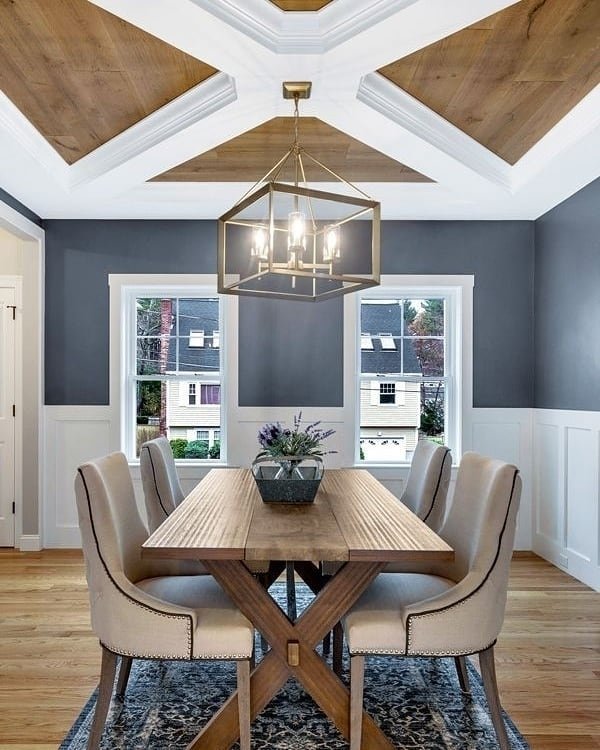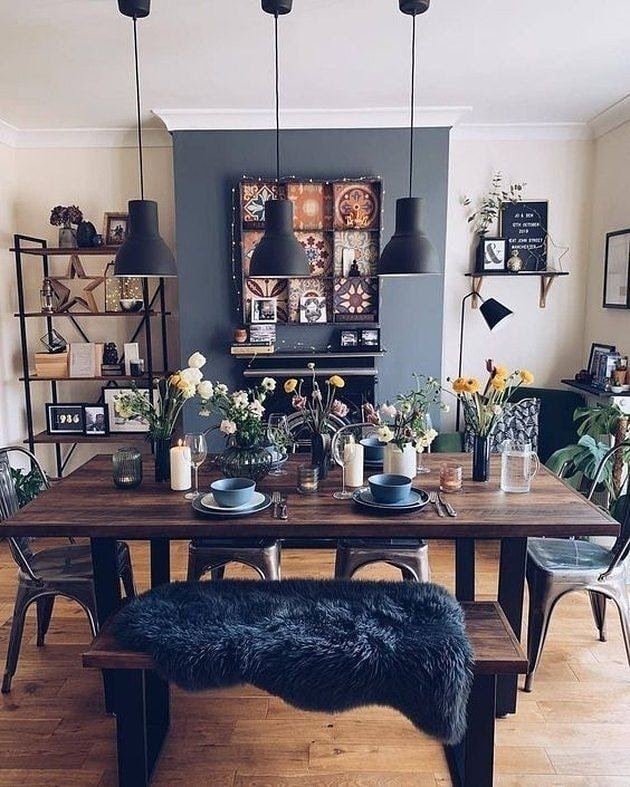
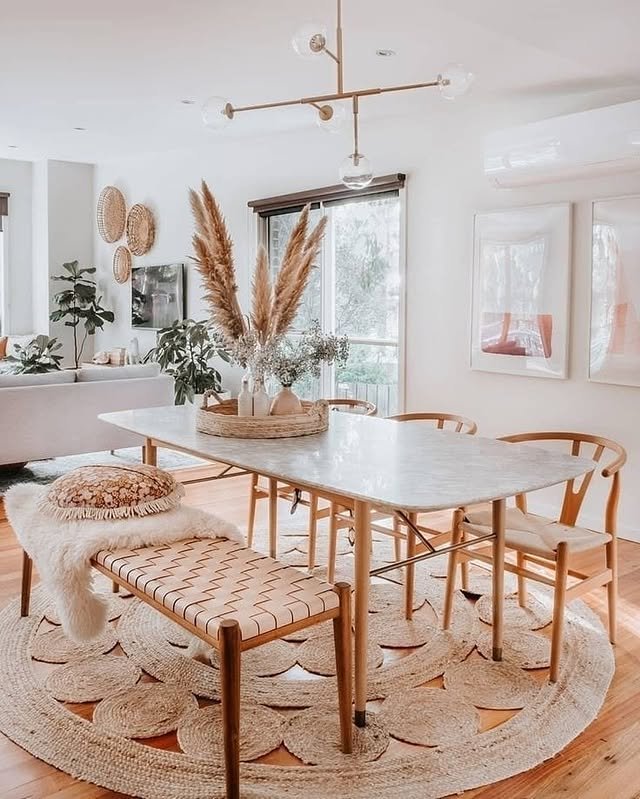
Dining Room Rugs That Elevate Every Meal
Dining Room Rugs That Elevate Every Meal
A dining room is more than just a functional space—it’s where families gather, friends celebrate, and memorable meals are shared. One of the most effective yet often overlooked ways to enhance the aesthetic and comfort of your dining room is with a well-chosen rug. A dining room rug not only anchors the dining room table but also adds texture, color, and warmth to the overall rooms in your home.
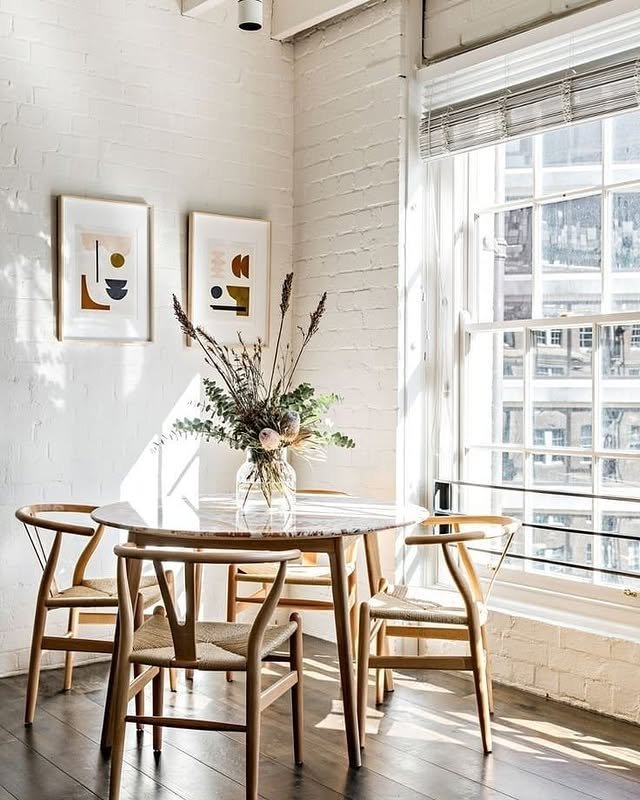
Why Dining Room Rugs Matter
Adding a rug to your dining room helps define the space, especially in open-concept homes where the dining area blends with the kitchen or living room. The right rug visually separates the dining room table area, creating a cozy and inviting atmosphere. Additionally, rugs can protect your floors from scratches, spills, and everyday wear, making them both a practical and stylish choice.
Choosing the Right Size
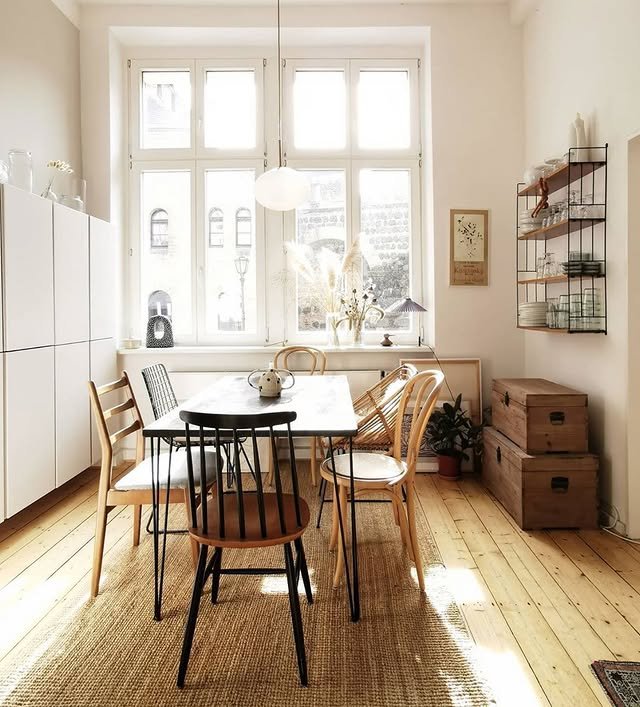
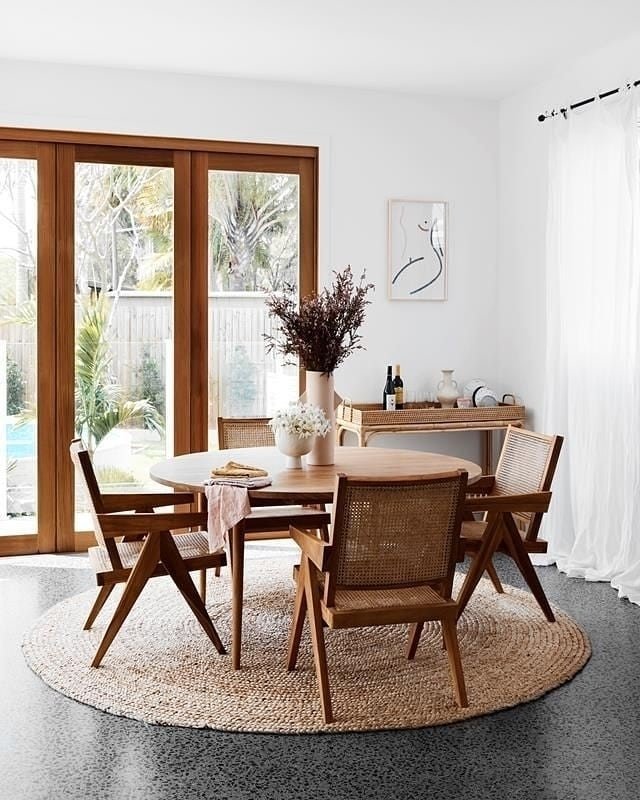
When selecting a dining room rug, size is key. Ideally, the rug should extend at least 24 inches beyond the edges of the dining room table on all sides. This ensures chairs can be pulled out without catching on the rug and provides a balanced look. For rectangular dining rooms, long, rectangular rugs complement the space, while round tables work beautifully with circular rugs.
Material and Durability
Dining rooms experience heavy traffic and occasional spills, so durability is essential. Wool rugs are a popular choice due to their softness, natural stain resistance, and luxurious appearance. Synthetic fibers like polypropylene are also practical, offering easy cleaning and long-lasting performance. For outdoor or casual rooms, flatweave or jute rugs create texture and a relaxed feel.
Color, Pattern, and Style
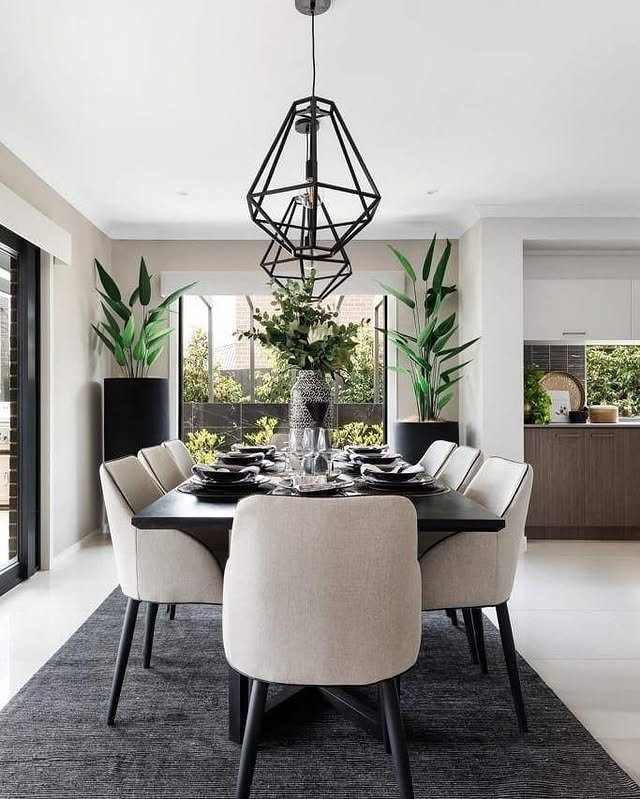
Dining room rugs come in endless colors and patterns, allowing you to set the tone of your space. Neutral rugs provide a subtle backdrop, letting your dining room table and chairs shine, while bold patterns add drama and character. Geometric designs, stripes, or traditional motifs can complement both modern and classic rooms, making your dining area a stylish focal point.
Layering and Texture
Adding texture with a rug elevates the dining experience. Consider layering a smaller patterned rug over a neutral base for visual interest, or using textured fibers like shag or flatweave to contrast with sleek furniture. A soft rug underfoot makes dining more comfortable, encouraging longer, more relaxed meals.
Maintenance Tips
Keeping your dining room rug looking luxurious is easier than it seems. Regular vacuuming prevents dirt buildup, while spot-cleaning spills immediately protects the rug fibers. Using a rug pad underneath not only prevents slipping but also prolongs the life of the rug and protects flooring beneath the dining room table.
Final Thoughts
A thoughtfully chosen dining room rug transforms ordinary rooms into inviting, elegant spaces. By considering size, material, color, and texture, you can select a rug that complements your dining room table, enhances comfort, and elevates every meal. Whether your style is modern, traditional, or eclectic, the right rug can tie the room together and make your dining area a true centerpiece of your home.
The Seamless Transition: Designing Outdoor Living Spaces with Indoor Soul
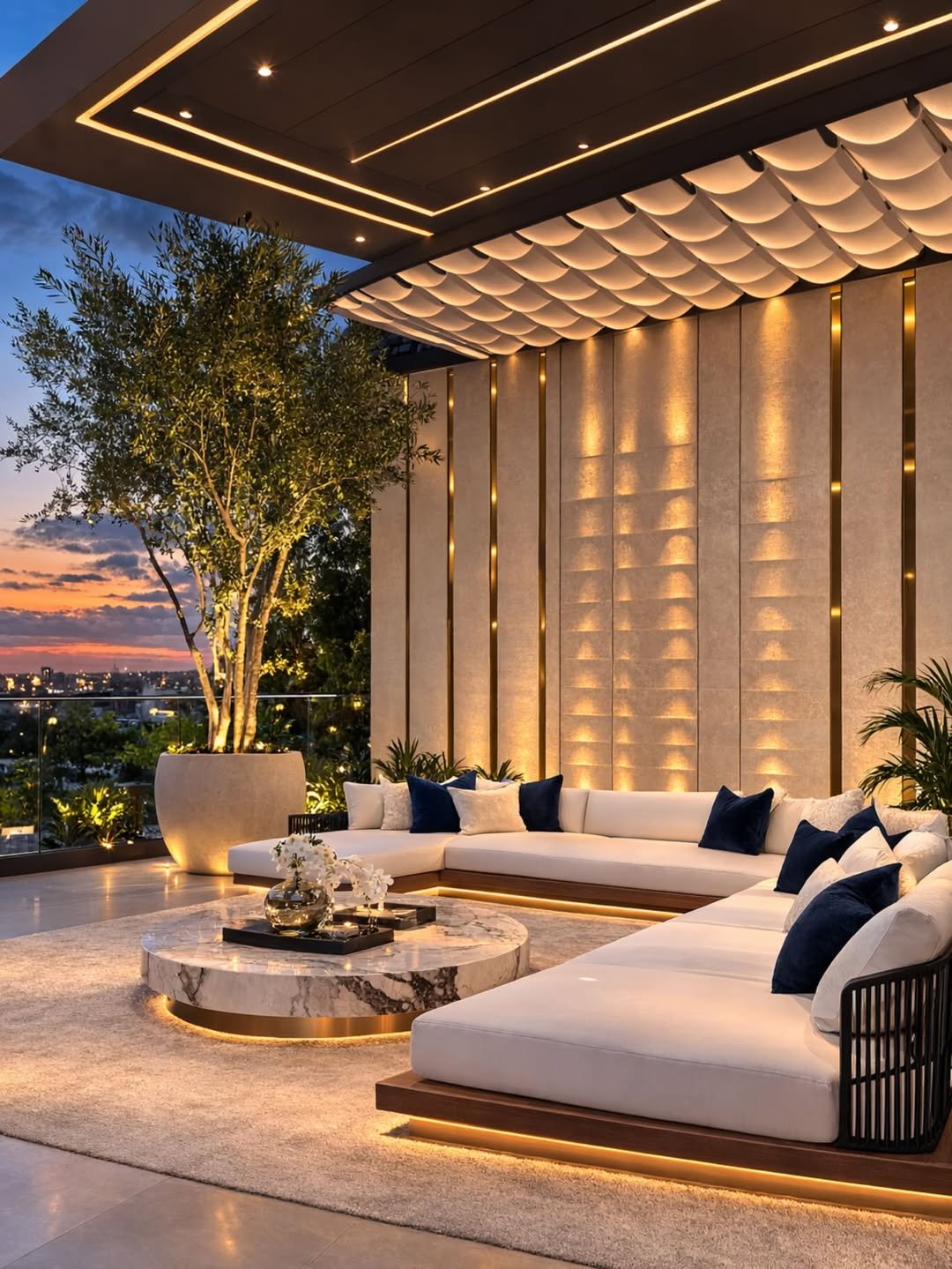
The modern home no longer stops at the back door. In contemporary design, the patio or terrace is treated as a true extension of the interior—an “Outdoor Living Room” that demands the same level of curation, comfort, and stylistic rigor as the lounge or dining area. By blurring the lines between inside and out, you can create a cohesive sanctuary that maximizes your home’s footprint and celebrates the natural environment.
1. Creating a Tonal Continuity
The secret to a successful indoor-outdoor flow is a unified color palette. When the eye moves from the living room to the patio, it should encounter a consistent visual language.
Neutral Foundations: Utilizing sandy beiges, crisp whites, and warm greys for outdoor flooring and large furniture pieces echoes the sophisticated neutrals often found in modern interiors.
The High-Contrast Anchor: Just as black window frames ground an interior, using black metal furniture frames or dark charcoal planters provides a graphic “edge” that defines the outdoor space against the organic wildness of the garden.
Cohesive Textiles: Choose outdoor fabrics that mimic the look of indoor linens and bouclés. Weather-resistant rugs in geometric or vertical patterns provide the same tactile comfort as their indoor counterparts.
2. Furnishing for Comfort and Conversation
Outdoor furniture has evolved beyond the basic plastic chair. To make a patio feel like a room, you must prioritize “soft” infrastructure.
Sectional Seating: Large-scale, modular outdoor sofas invite the same level of relaxation as an indoor sectional. Deep cushions in light, sun-reflective tones keep the space feeling cool and airy.
The Outdoor Rug: A rug is the most effective way to define a “zone” on a vast deck or stone patio. A textured, flat-weave rug grounds the seating arrangement and adds a layer of physical warmth underfoot.
Sculptural Accent Pieces: Incorporating stone-topped coffee tables or ceramic side stools introduces varied heights and materials, moving the space away from a “matched set” look toward a more curated, interior-designed feel.
3. Layering Biophilic Elements and Light
An outdoor space is inherently connected to nature, but intentional styling can enhance this relationship.
Structured Greenery: Use oversized planters to create “living walls.” Symmetrical placement of large-leafed plants or manicured shrubs can provide privacy while echoing the structured gallery walls or shelving found inside.
Atmospheric Lighting: To transition the space for evening use, layer your lighting. While overhead pendants provide functional light, portable lanterns and integrated floor lighting create “pools of warmth” that mimic the cozy glow of a living room lamp.
Organic Movement: Incorporating natural wood accents—such as a teak table or slatted privacy screens—adds a rhythmic, organic texture that softens the architectural lines of the house.
Key Design Takeaway: The “Visual Portal”
The hallmark of a professional outdoor space is how it looks from inside the house. Treat your glass doors as a frame for a living mural. By aligning your outdoor furniture with the interior’s sightlines and repeating your primary materials (wood, metal, and woven fibers), you create a “visual portal” that makes your home feel twice as large and infinitely more connected to the outdoors.
The Language of Timber: Mastering Wood Tones in Modern Design
Choosing wood isn’t just about picking a piece of furniture; it’s about understanding undertones, warmth, and the architectural “weight” a specific grain brings to a room. In contemporary interiors, wood acts as the essential organic balancer to modern materials like metal, glass, and polished stone. When handled correctly, timber can transform a sterile room into a space that feels grounded, storied, and timeless.
1. Understanding Undertones: Warm vs. Cool
The first step in mastering wood is identifying its base temperature. Mixing wood tones is encouraged, but they must share a common “soul” to feel intentional.
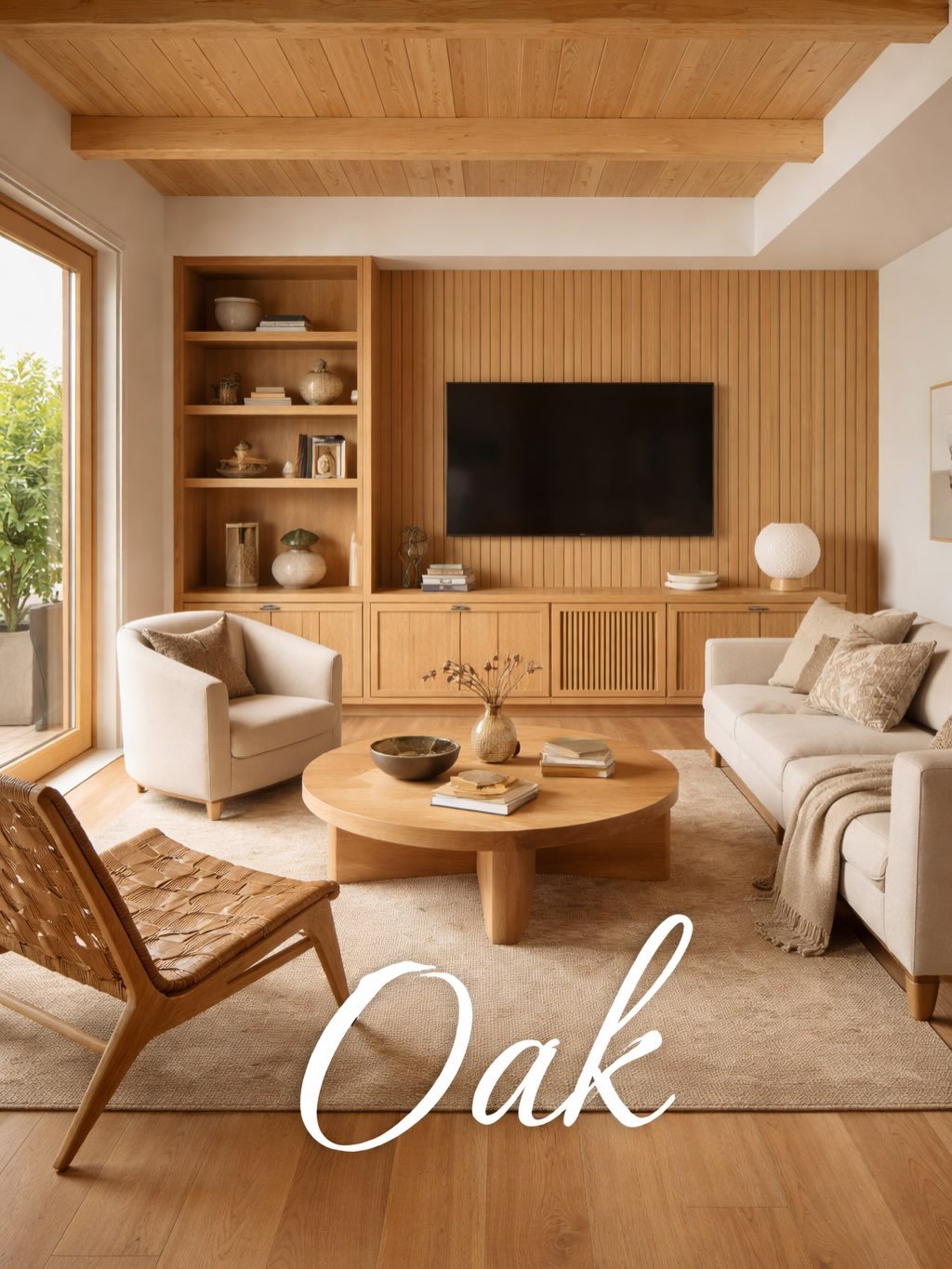
Warm Tones: Woods like Oak, Cherry, and Teak often have yellow, orange, or red undertones. These are perfect for creating a welcoming, “sun-drenched” atmosphere.
Cool Tones: Ash, Maple, and certain Walnut cuts lean toward grey or pale beige. These fit seamlessly into Nordic, Japandi, or ultra-modern minimalist aesthetics where the goal is a clean, muted palette.
The Bridge Piece: If you are mixing disparate tones, look for a “bridge”—a piece of furniture or flooring that contains both light and dark grains—to tie the room together.
2. The Art of the Wood Inlay
Modern design has seen a resurgence in artisanal woodworking techniques, specifically the use of chevron and herringbone inlays.
Subtle Movement: A dining or coffee table with a chevron inlay adds a layer of sophisticated pattern without the need for bold colors. The way the grain catches the light at different angles creates a dynamic, high-end feel.
Architectural Interest: Using wood patterns on cabinet doors or consoles—like the “Modern Organic” sideboards often seen in curated entryways—provides a tactile counterpoint to smooth, white walls.
3. Balancing Wood with High Contrast
To keep a wood-heavy room from feeling like a cabin, you must introduce “visual anchors” in contrasting materials.
The Black-and-Wood Rule: Pairing light-oak surfaces with matte black metal legs or hardware is a signature of 2026 design. The black provides the “grid” (structure), while the wood provides the “grain” (warmth).
Textural Layering: Place wood furniture on a textured jute or wool rug. The contrast between the hard, smooth timber and the soft, nubby fibers creates a sensory richness that defines luxury living.
4. Sustainability and Authenticity
Modern luxury is increasingly tied to the story of the material.
Reclaimed Timber: Utilizing wood with visible knots and minor imperfections adds “soul” and a sense of history to a new home.
Natural Finishes: Move away from high-gloss oranges and toward matte, oil-rubbed, or “raw” finishes. These allow the true texture of the wood to be felt and seen, enhancing the biophilic connection to the outdoors.
Key Design Takeaway: The “Grounding” Effect
Wood is the most effective tool for grounding a high-ceilinged or open-concept space. While white walls and large windows provide the “air,” a substantial wood table or a series of oak accents provides the “earth.” By repeating a specific wood tone at different heights—from the floor to the tabletop to a wall shelf—you create a cohesive visual thread that makes a house feel like a home.
The Language of Timber: Mastering Wood Tones in Modern Design
Choosing wood isn’t just about picking a piece of furniture; it’s about understanding undertones, warmth, and the architectural “weight” a specific grain brings to a room. In contemporary interiors, wood acts as the essential organic balancer to modern materials like metal, glass, and polished stone. When handled correctly, timber can transform a sterile room into a space that feels grounded, storied, and timeless.
1. Understanding Undertones: Warm vs. Cool
The first step in mastering wood is identifying its base temperature. Mixing wood tones is encouraged, but they must share a common “soul” to feel intentional.
Warm Tones (Oak): Woods like Oak often have yellow or light beige undertones. These are perfect for creating a welcoming, “sun-drenched” atmosphere that feels clean and airy.
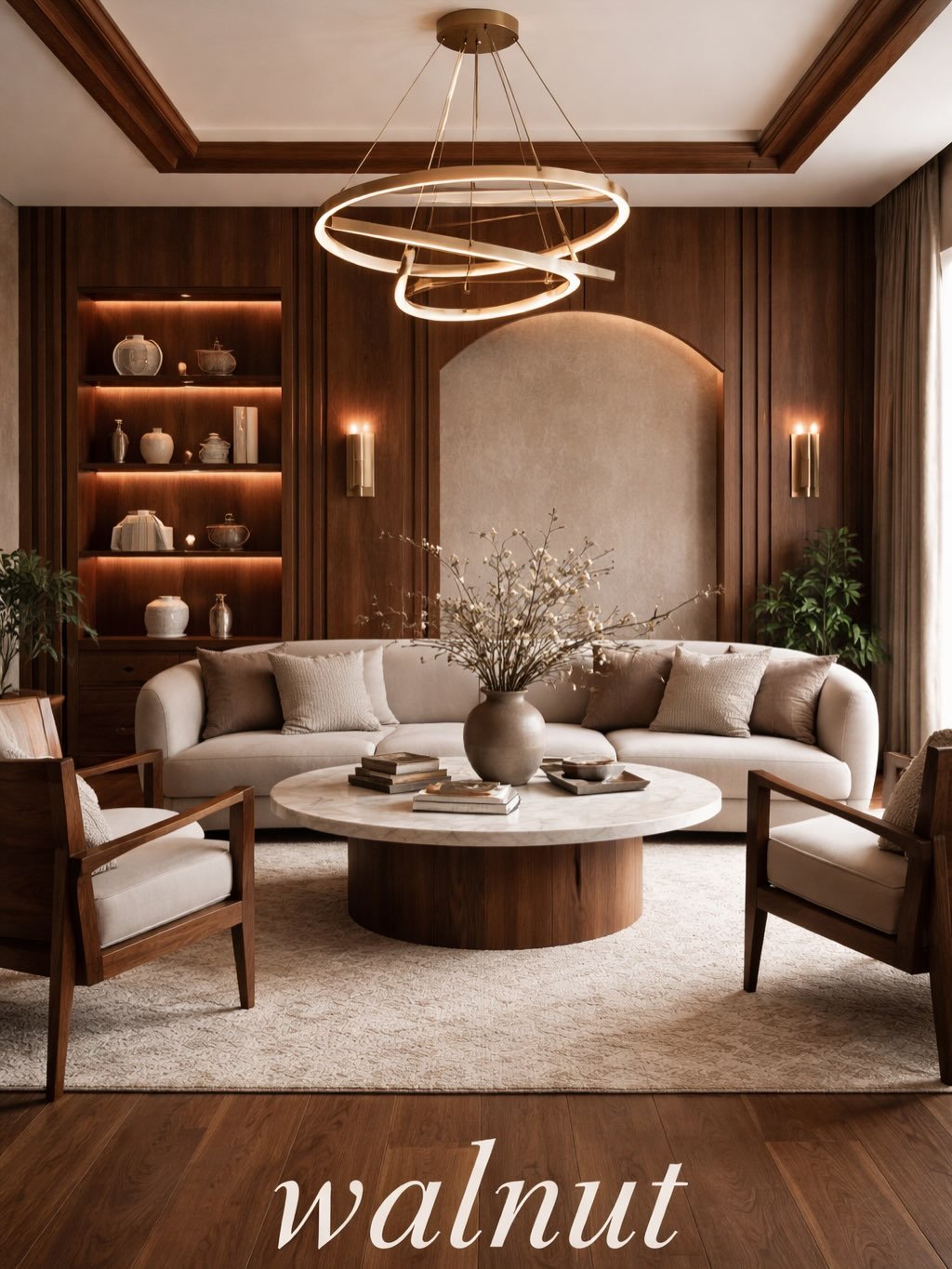
Deep & Storied Tones (Walnut): Walnut leans toward richer, cooler brown tones with sophisticated grain patterns. It is ideal for mid-century modern or luxury aesthetics where the goal is a moody, prestigious palette.
The Bridge Piece: If you are mixing disparate tones, look for a “bridge”—a piece of furniture or flooring that contains both light and dark grains—to tie the room together.
2. The Art of the Wood Inlay
Modern design has seen a resurgence in artisanal woodworking techniques, specifically the use of chevron and herringbone inlays.
Subtle Movement: A dining or coffee table with a chevron inlay adds a layer of sophisticated pattern without the need for bold colors. The way the grain catches the light at different angles creates a dynamic, high-end feel.
Architectural Interest: Using wood patterns on cabinet doors or consoles provides a tactile counterpoint to smooth, white walls.
3. Balancing Wood with High Contrast
To keep a wood-heavy room from feeling like a cabin, you must introduce “visual anchors” in contrasting materials.
The Black-and-Wood Rule: Pairing light-oak surfaces with matte black metal legs or hardware is a signature of modern design. The black provides the “grid” (structure), while the wood provides the “grain” (warmth).
Textural Layering: Place wood furniture on a textured jute or wool rug. The contrast between the hard, smooth timber and the soft, nubby fibers creates a sensory richness that defines luxury living.
4. Sustainability and Authenticity
Modern luxury is increasingly tied to the story of the material.
Natural Finishes: Move away from high-gloss oranges and toward matte, oil-rubbed, or “raw” finishes. These allow the true texture of the wood to be felt and seen, enhancing the biophilic connection to the outdoors.
Integrated Lighting: Highlighting wood textures with integrated LED strips or warm sconces emphasizes the natural grain and creates a “nighttime glow”.
Key Design Takeaway: The “Grounding” Effect
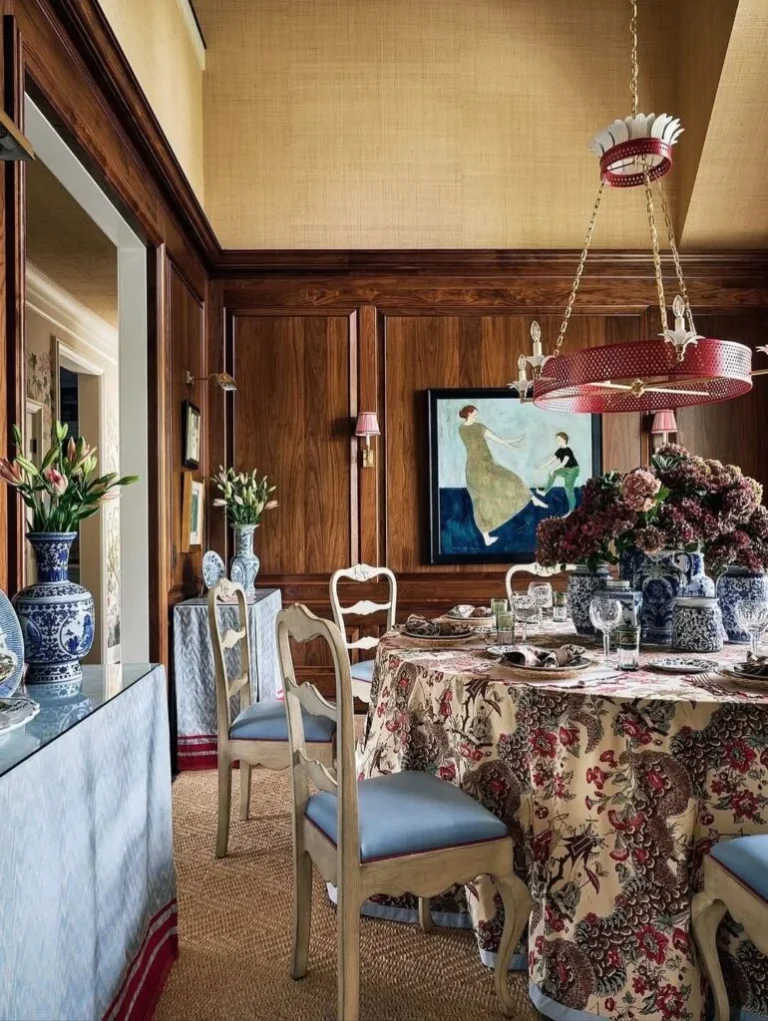
Wood is the most effective tool for grounding a high-ceilinged or open-concept space. While white walls and large windows provide the “air,” a substantial wood table or a series of oak accents provides the “earth”. By repeating a specific wood tone at different heights—from the floor to the tabletop to a wall shelf—you create a cohesive visual thread that makes a house feel like a home.
The Language of Timber: Mastering Walnut Tones in Modern Design
Choosing wood isn’t just about furniture; it’s a decision regarding undertones, warmth, and how a grain harmonizes with a space. In contemporary interiors, walnut acts as a sophisticated, organic balancer to modern materials like polished stone and architectural lighting. When handled correctly, these deeper timber tones transform a room into a space that feels grounded, storied, and timeless.
1. Understanding Walnut Undertones
Walnut is celebrated for its rich, deeper profiles that bring an immediate sense of prestige to an interior.
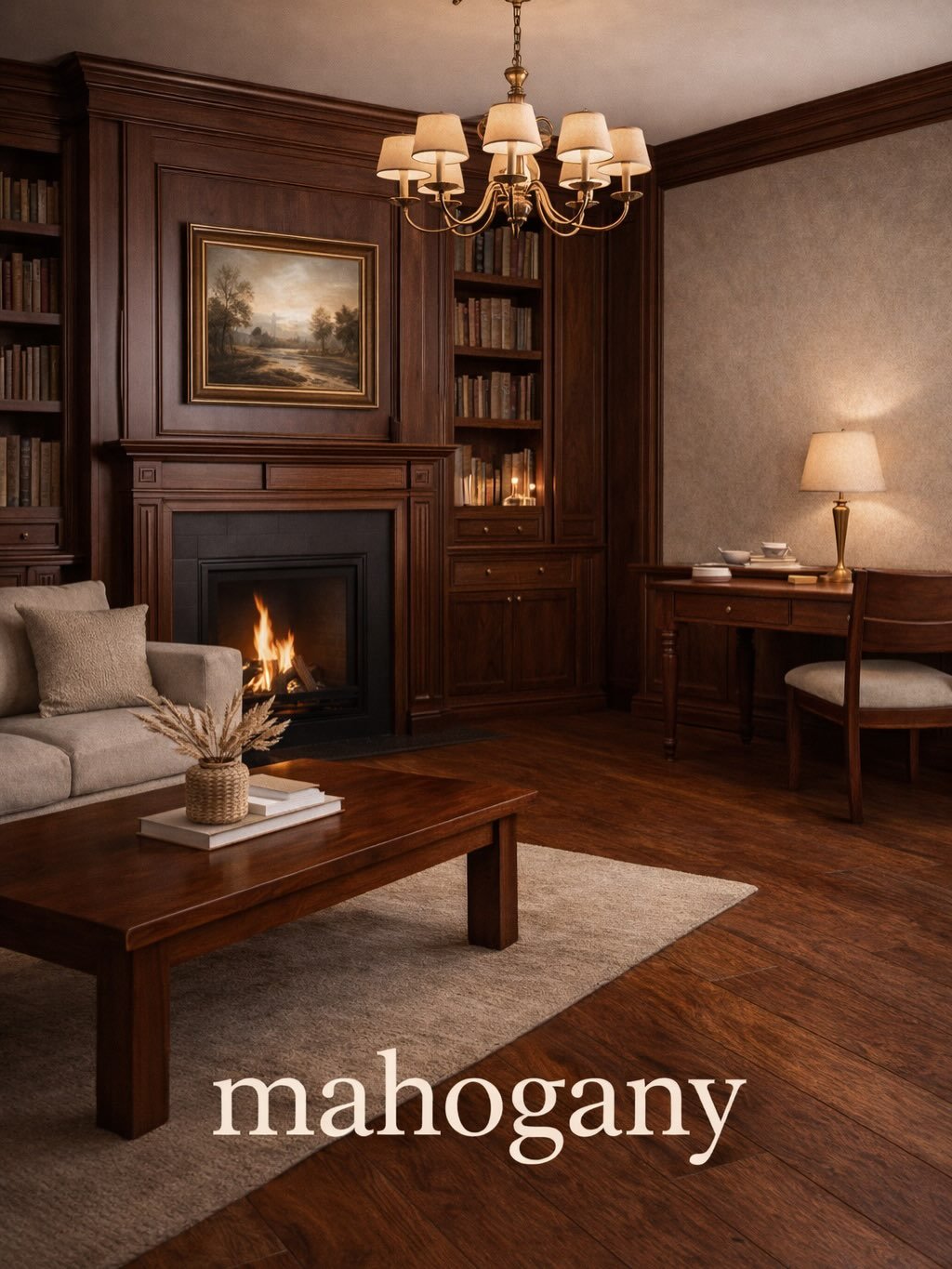
Deep and Storied Tones: Walnut leans toward richer, cooler brown tones compared to lighter species, often featuring sophisticated grain patterns.
The Grounding Effect: This specific wood is highly effective for “grounding” open-concept spaces. While neutral walls provide the “air,” a substantial walnut feature provides the “earth”.
Common Souls: When mixing wood, they should share a common temperature or “soul” to feel intentional within the design.
2. Architectural Texture and Light
Walnut provides a tactile counterpoint to smooth surfaces, especially when integrated with modern lighting.
Vertical Interest: Utilizing walnut for wall paneling or floor-to-ceiling built-ins creates a rhythmic, architectural backdrop that adds “weight” to a room.
Nighttime Glow: Highlighting walnut textures with integrated lighting—such as LED strips in shelving or warm-toned sconces—emphasizes the natural grain and creates an inviting nighttime atmosphere.
Material Contrast: Pairing the dark, matte finish of walnut with a white marble coffee table creates a high-end sensory richness that defines modern luxury.
3. Balancing Warmth with “Modern Organic”
To keep a walnut-heavy room from feeling overly dark, it must be balanced with “soft” infrastructure.
Textural Foundations: Placing walnut furniture on a light-toned, textured rug adds physical warmth and essential acoustic dampening.
Organic Silhouettes: Soften the structured lines of wood paneling with curved furniture, such as a plush, off-white bouclé sofa.
Biophilic Life: Incorporating natural elements like tall vases with fresh branches provides a pop of living color that bridges the gap between the structured interior and the natural world.
Key Design Takeaway: The Visual Thread
The secret to a cohesive high-end home is the repetition of specific wood tones at different heights. By echoing the walnut from the floor to the tabletop and up into the wall paneling, you create a unified “design language” that makes the entire space feel like a single, harmonious thought.