Creative Ideas to Beautify Your Dining Walls
Creative Ideas to Beautify Your Dining Walls
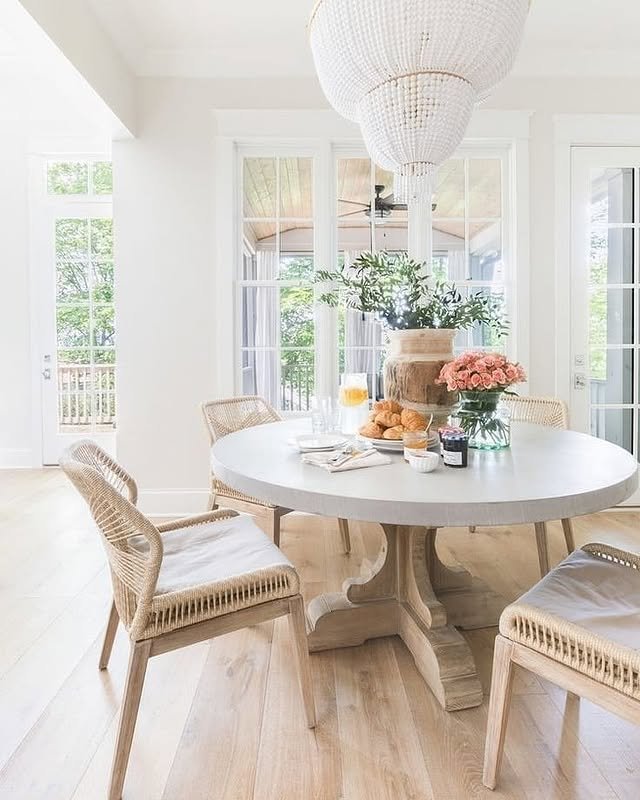
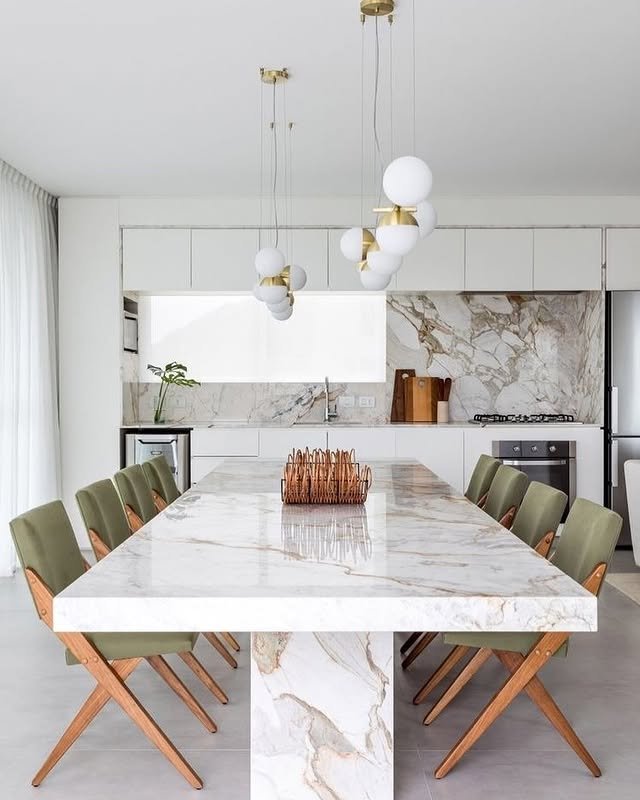
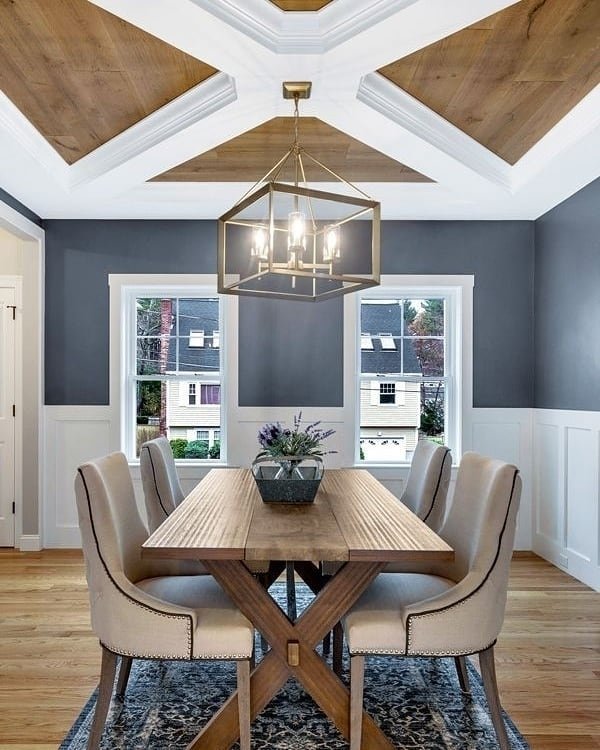
A dining room is more than just a place to eat—it’s a space for connection, conversation, and creating memories. While furniture and lighting are essential, the walls often provide the biggest opportunity to elevate the style of the room. With the right dining room wall decor and complementary dining table decor, you can transform your dining area into a visually stunning and inviting space.
Statement Art and Wall Hangings
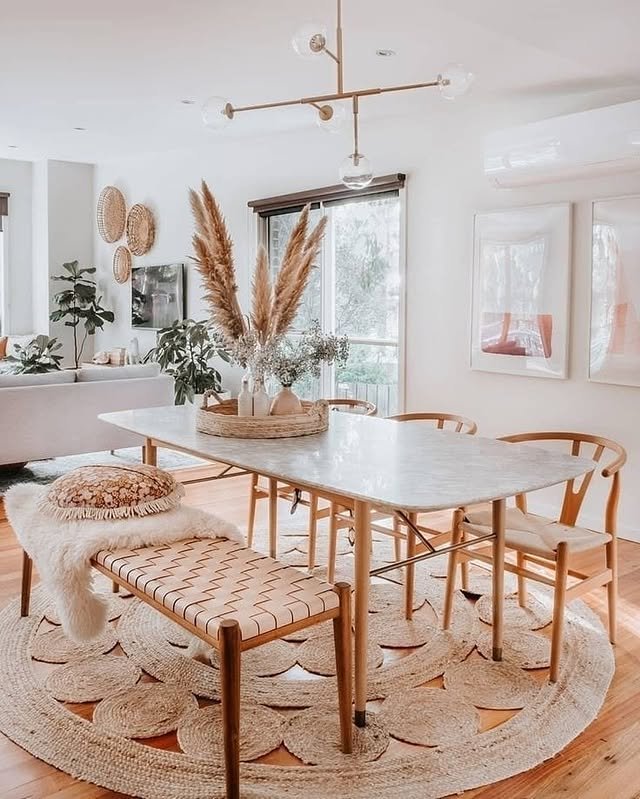
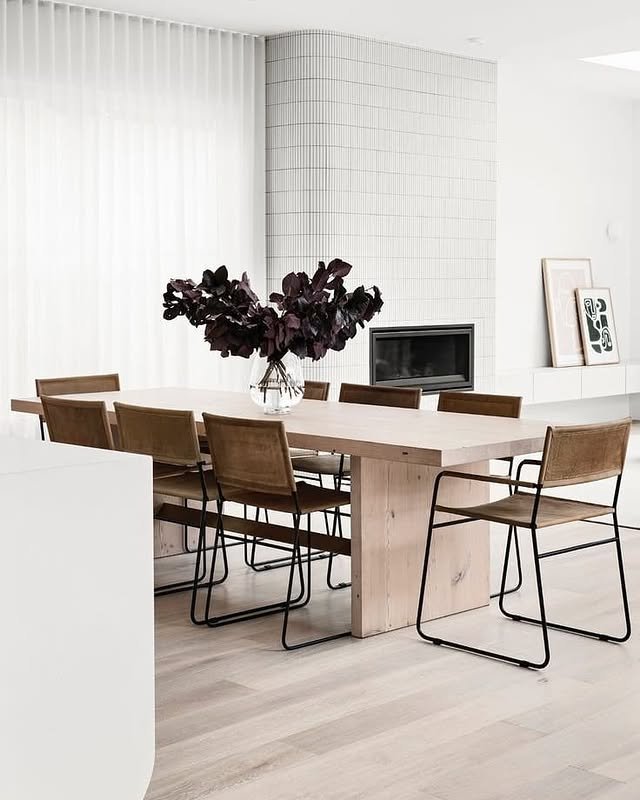
One of the easiest ways to enhance your walls is by adding statement artwork or wall hangings. Large canvas paintings, framed prints, or textured wall art can instantly add personality to your dining area. Consider a gallery wall above your dining table or a single oversized piece to anchor the space. These artistic touches also pair beautifully with dining decoration table arrangements, creating a cohesive, curated look.
Mirrors to Expand Space
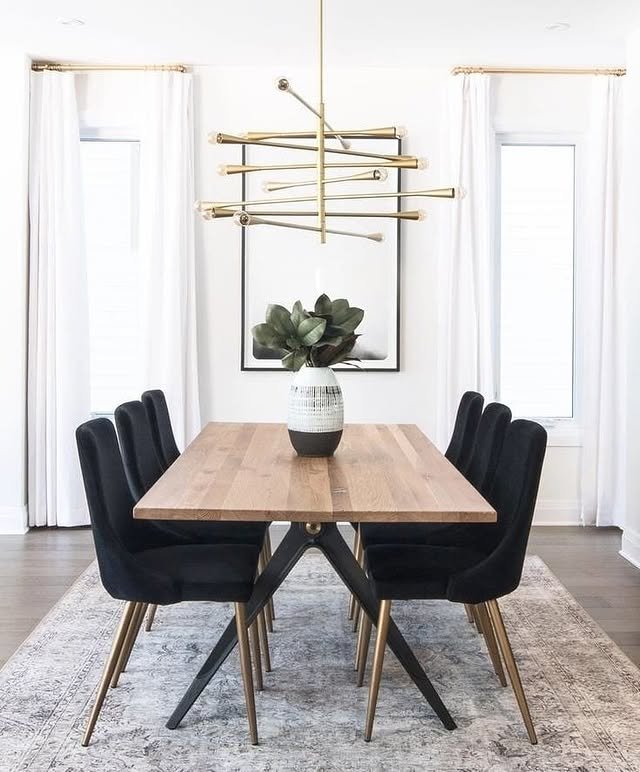
Mirrors are a practical and stylish option for dining room wall decor. They reflect light, making the room feel brighter and more spacious. Place a decorative mirror opposite a window to maximize natural light, or above a sideboard to enhance your dining table decorating ideas. A mirrored backdrop can also accentuate table centerpieces and dining table decor, adding elegance and depth to the room.
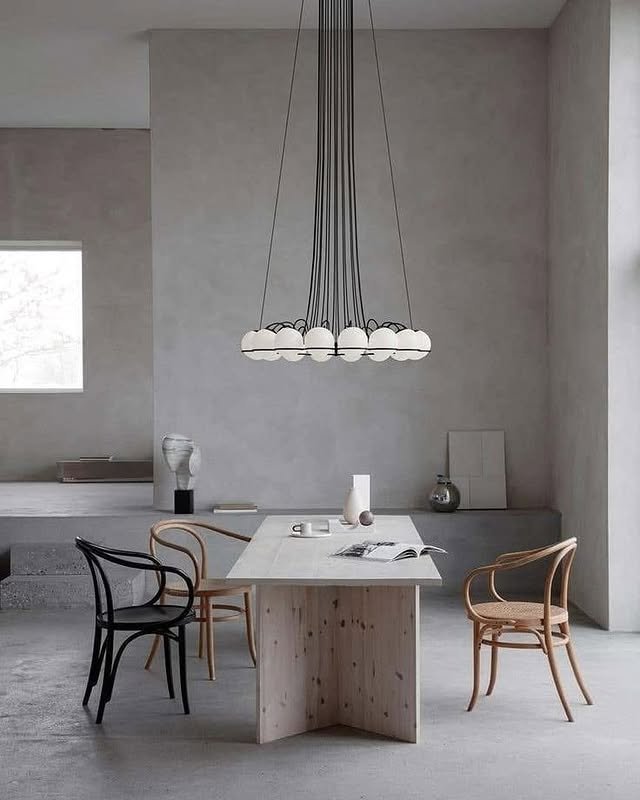
Shelving and Display Walls
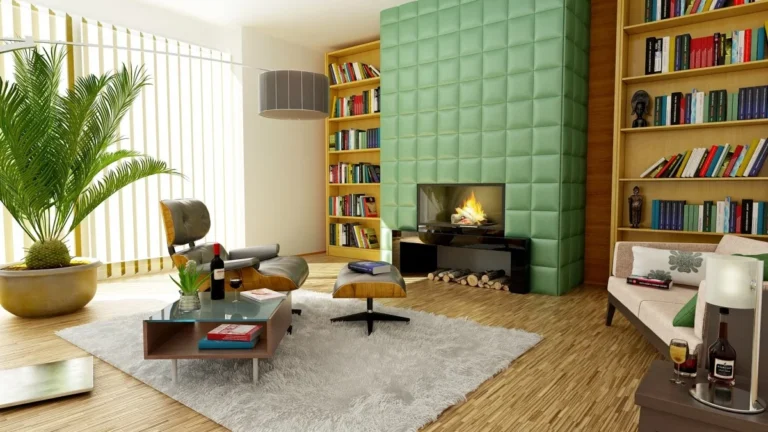
Open shelving or floating shelves allow you to combine function with decoration. Use them to display your favorite vases, small sculptures, or seasonal accents that complement your dining table decor. Arranging items thoughtfully on the shelves can create a visually appealing backdrop for your meals, while giving you additional storage or display space.
Wall-Mounted Lighting
Incorporating wall sconces or decorative dining room wall decor lighting can enhance ambiance while adding style. Warm-toned sconces or modern metallic fixtures can highlight your dining decoration table arrangements and make your dining area feel cozy and inviting. Pairing wall lighting with dining table decorating ideas such as candles or small lanterns creates layers of light for a sophisticated look.
Creative Paint and Wallpaper Ideas
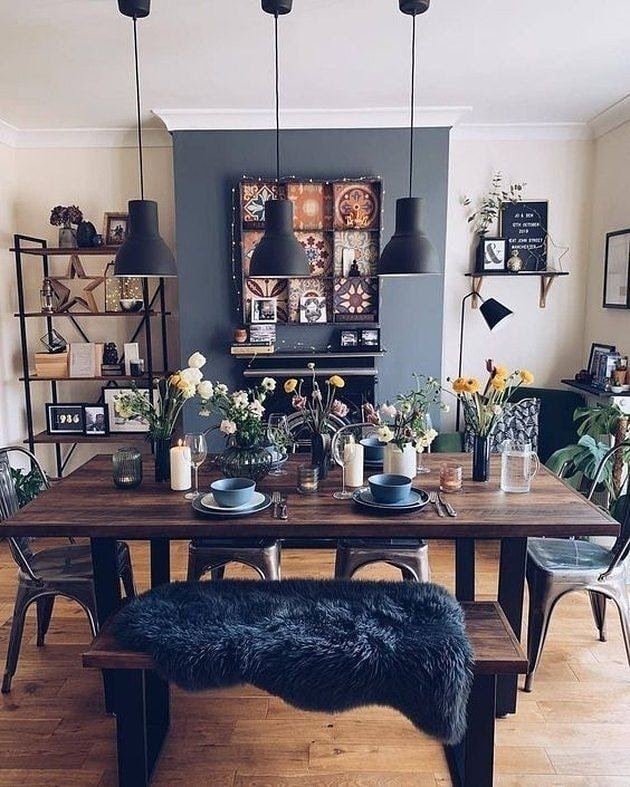
Color and pattern are powerful tools in dining room wall decor. Bold accent walls, geometric patterns, or textured wallpaper can create a striking backdrop for your dining table. Consider muted tones for a minimalist look or vibrant hues to energize the space. These walls work beautifully alongside dining table decor like floral arrangements, table runners, or curated centerpieces.
Seasonal and Thematic Decor
Update your dining table decor to match seasons or special occasions. Seasonal wreaths, themed table runners, and decorative trays on your dining decoration table can bring a fresh look throughout the year. Coordinating your dining room wall decor with these seasonal accents enhances the cohesiveness of your dining space and provides inspiration for dining table decorating ideas.
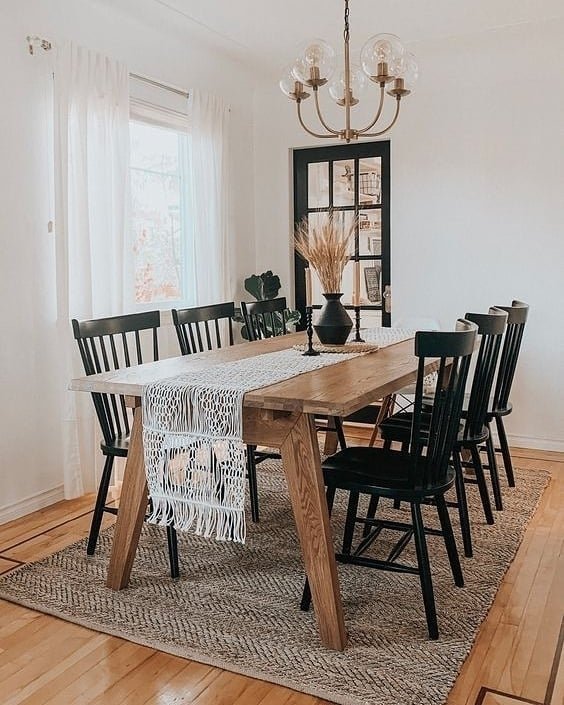
Final Tips for a Cohesive Look
When decorating, balance is key. Ensure your wall decor complements your dining table decor rather than competing with it. Use colors, textures, and materials that harmonize with your furniture and accessories. Keep some areas minimal to avoid clutter and let statement pieces shine. Thoughtful pairing of dining room wall decor, dining decoration table arrangements, and dining table decorating ideas creates a dining room that is inviting, stylish, and uniquely yours.
https://www.instagram.com/thepaintgirlng
In 2026, the hallmark of luxury living is the seamless integration of natural textures and sophisticated lighting. Choosing wood is no longer just about a single piece of furniture; it is an architectural decision regarding undertones, warmth, and the rhythmic flow of a home. When handled correctly, these wood species transform a space into a sanctuary that feels grounded and timeless.
1. Light and Airy: The Versatility of Oak, Maple, and Teak
Lighter wood tones are essential for creating “Modern Organic” environments that celebrate light and open volumes.
-
Oak: Celebrated for its warm, honey-colored undertones, Oak creates a welcoming, sun-drenched atmosphere. It pairs seamlessly with neutral linens and bouclé fabrics to achieve a soft environment.
-
Maple: This species offers a clean, pale beige profile that fits perfectly into Nordic or minimalist aesthetics. Its smooth grain provides a subtle backdrop for integrated elements like curved staircases and fluted wall paneling.
-
Teak: Ideal for blurring the lines between indoor and outdoor living, Teak offers natural durability and a rich, golden-brown hue. It is a signature material for luxury patios, providing a direct visual link to the natural world.
2. The Prestige of Depth: Walnut, Cherry, and Mahogany
For spaces requiring architectural “weight” and a sense of history, deeper timber tones provide a prestigious foundation.
-
Walnut: Leaning toward richer, cooler brown tones, Walnut features sophisticated grain patterns that bring immediate prestige to a room. It is the ideal choice for grounding open-concept spaces when contrasted with white marble.
-
Cherry: Known for its warm, reddish-brown profile, Cherry wood introduces a sense of classic luxury. It is particularly effective in spaces with traditional elements, such as stone-clad fireplaces and detailed ceiling coffers.
-
Mahogany: This classic species provides a timeless foundation with its rich, deep grain. It is most impactful when utilized for floor-to-ceiling built-ins and library shelving, offering a sense of permanence.
3. Architectural Texture and Integrated Light
Modern luxury is defined by how these natural materials interact with sophisticated lighting schemes.
-
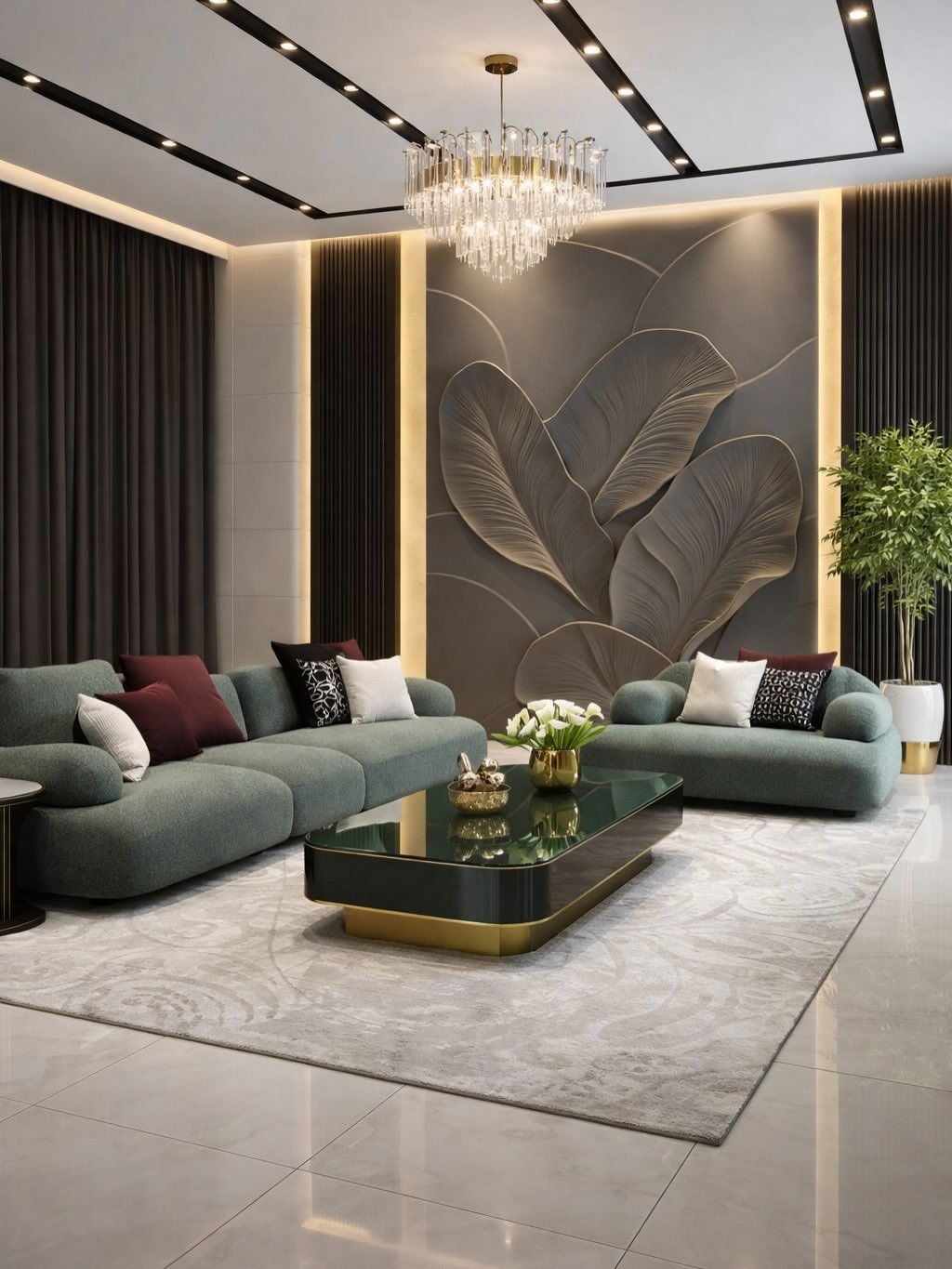
Illuminated Grains: Highlighting wood textures with integrated LED strips within shelving or wall panels emphasizes the natural grain and creates an inviting evening atmosphere.
-
Statement Centerpieces: Large-scale, tiered chandeliers—whether featuring organic glass petals or crystalline structures—act as a visual heart for the living area.
-
Material Contrast: The secret to a high-end sensory richness is pairing matte, organic timber with high-contrast anchors like matte black metal hardware or polished stone surfaces.
Key Design Takeaway: The Visual Thread
The most successful designs utilize a visual thread—a specific wood tone or grain—that repeats at different heights and across different rooms. By echoing a walnut or oak grain from the flooring up into the furniture and wall paneling, you create a harmonious narrative that makes even the most expansive duplex feel cohesive and intentional.
https://www.instagram.com/thepaintgirlng
The Language of Modern Luxury: Mastering Texture, Timber, and Light
In 2026, high-end interior design has moved beyond simple opulence toward a more nuanced “architectural soul.” Creating a space that feels both prestigious and grounded requires a masterful orchestration of natural wood undertones, sculptural lighting, and textural depth. Whether designing a sweeping duplex or a curated lounge, the details define the atmosphere.
1. The Timber Foundation: Managing Wood Undertones
Choosing wood is an architectural decision that sets the emotional temperature of a room.
-
Warmth and Air (Oak & Maple): Species like Oak provide honey-colored undertones that create a sun-drenched, airy atmosphere. Maple offers a cleaner, pale beige profile ideal for minimalist aesthetics.
-
Weight and Prestige (Walnut & Mahogany): Walnut is the quintessential choice for grounding a space with its rich, cooler brown tones. For a sense of history and permanence, the deep grain of Mahogany remains a classic for library walls and built-ins.
-
The Golden Bridge (Teak & Cherry): Teak acts as a visual bridge for indoor-outdoor flow. Meanwhile, Cherry introduces a warm luxury that complements traditional elements like stone-clad fireplaces.
2. Architectural Lighting as a Functional Anchor
Lighting serves as the “visual heart” of a modern home, especially in spaces with high ceilings or open-concept layouts.
-
The Nighttime Glow: Integrating LED strips directly into wood paneling or shelving emphasizes the natural grain and adds a layer of warm, ambient light after sunset.
-
Sculptural Centerpieces: Large-scale, tiered chandeliers—often featuring crystalline structures or organic glass petals—act as a bridge between the floor and ceiling, preventing large volumes from feeling cavernous.
-
Dynamic Accents: Sconces and vertical light bars integrated into media walls create a rhythmic, graphic edge that complements clean architectural lines.
3. Mastering Material Contrast and Flow
Luxury lives in the sensory richness created by pairing disparate materials.
-
Matte vs. Polished: Pair the matte, organic finish of walnut or oak with high-contrast anchors like polished marble tables or glossy black surfaces.
-
Soft vs. Structured: Balance the structured lines of wood paneling and architectural lighting with soft textures, such as plush off-white sofas or textured rugs.
-
Indoor-Outdoor Continuity: To create a seamless transition, mirror interior palettes on the terrace, using slatted wood ceilings and sophisticated neutrals for outdoor upholstery.
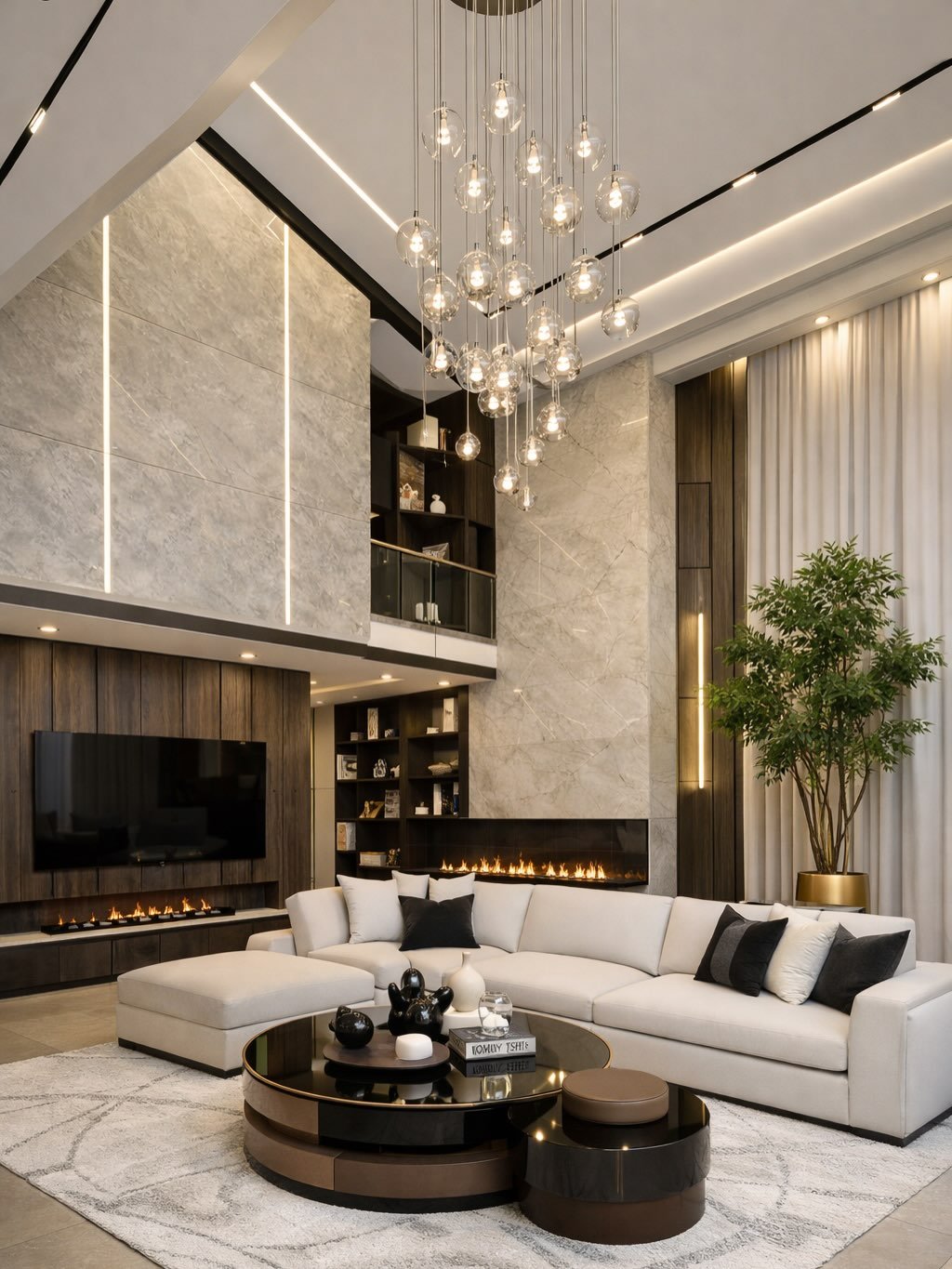
https://www.instagram.com/thepaintgirlng
The Language of Modern Luxury: Mastering Texture, Timber, and Light
In 2026, high-end interior design has moved beyond simple opulence toward a more nuanced “architectural soul”. Creating a space that feels both prestigious and grounded requires a masterful orchestration of natural wood undertones, sculptural lighting, and textural depth. Whether designing a sweeping duplex or a curated lounge, the details define the atmosphere.
1. The Timber Foundation: Managing Wood Undertones
Choosing wood is an architectural decision that sets the emotional temperature of a room.
-
Warmth and Air (Oak & Maple): Species like Oak provide honey-colored undertones that create a sun-drenched, airy atmosphere. Maple offers a cleaner, pale beige profile ideal for minimalist aesthetics.
-
Weight and Prestige (Walnut & Mahogany): Walnut is the quintessential choice for grounding a space with its rich, cooler brown tones. For a sense of history and permanence, the deep grain of Mahogany remains a classic for library walls and built-ins.
-
The Golden Bridge (Teak & Cherry): Teak acts as a visual bridge for indoor-outdoor flow. Meanwhile, Cherry introduces a warm luxury that complements traditional elements like stone-clad fireplaces.
2. Architectural Lighting as a Functional Anchor
Lighting serves as the “visual heart” of a modern home, especially in spaces with high ceilings or open-concept layouts.
-
The Nighttime Glow: Integrating LED strips directly into wood paneling or shelving emphasizes the natural grain and adds a layer of warm, ambient light after sunset.
-
Sculptural Centerpieces: Large-scale, tiered chandeliers—often featuring crystalline structures or organic glass petals—act as a bridge between the floor and ceiling, preventing large volumes from feeling cavernous.
-
Dynamic Accents: Sconces and vertical light bars integrated into media walls create a rhythmic, graphic edge that complements clean architectural lines.
3. Mastering Material Contrast and Flow
Luxury lives in the sensory richness created by pairing disparate materials.
-
Matte vs. Polished: Pair the matte, organic finish of walnut or oak with high-contrast anchors like polished marble tables or glossy black surfaces.
-
Soft vs. Structured: Balance the structured lines of wood paneling and architectural lighting with soft textures, such as plush off-white sofas or textured rugs.
-
Indoor-Outdoor Continuity: To create a seamless transition, mirror interior palettes on the terrace, using slatted wood ceilings and sophisticated neutrals for outdoor upholstery.
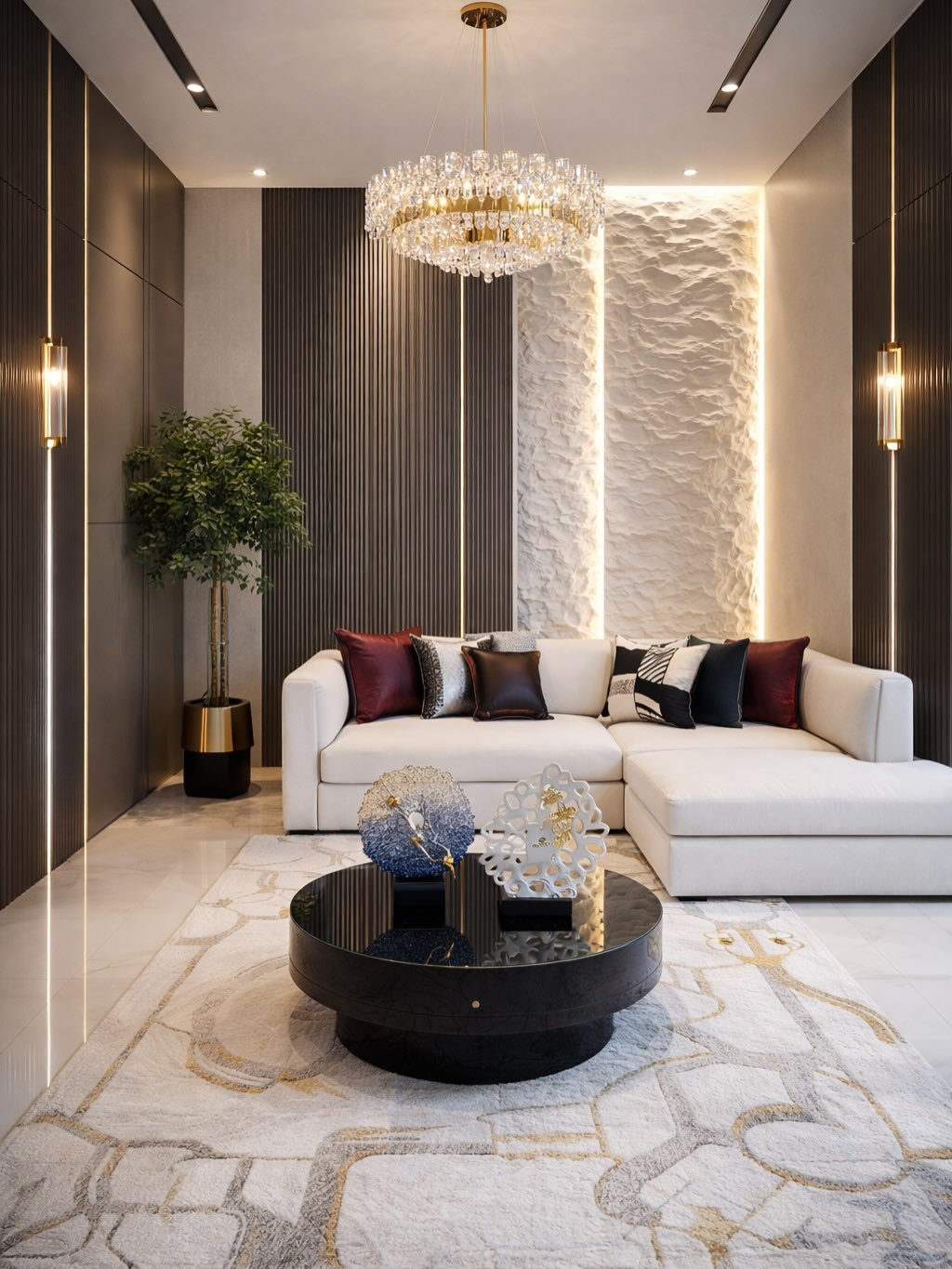
https://www.instagram.com/thepaintgirlng
The Art of Curated Comfort: Defining the New Era of Quiet Luxury
Modern interior design is moving away from the loud and the overly polished, embracing a philosophy known as “Quiet Luxury.” This approach focuses on the understated—where the quality of materials and the harmony of the layout speak louder than bold colors or flashy decor. It is about creating a sanctuary that feels expensive not because of what is on display, but because of how the elements work together to provide effortless elegance.
1. The Power of Soft Curves
A hallmark of 2026 luxury is the shift from sharp, rigid angles to organic, flowing silhouettes.
-
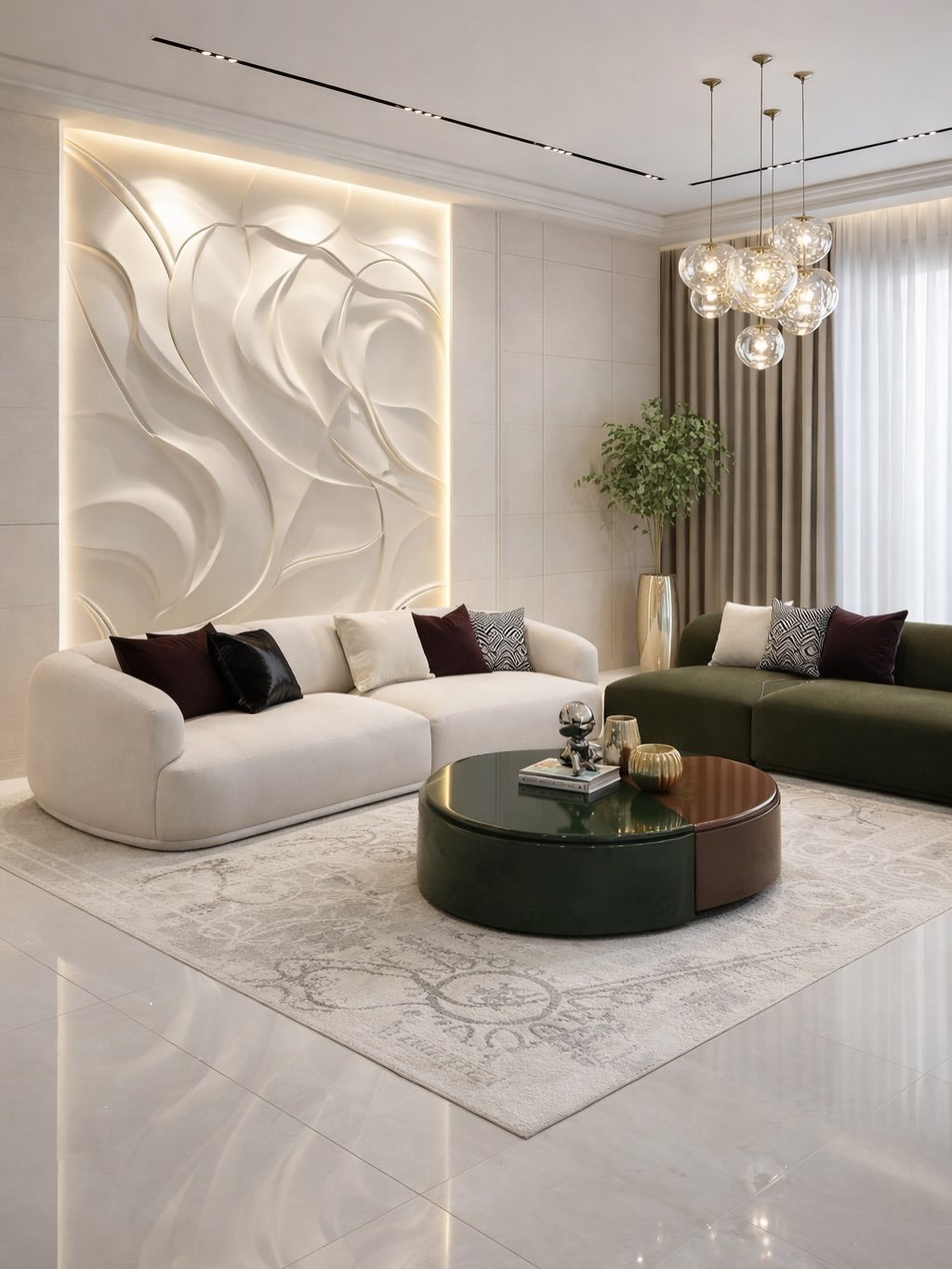
Sculptural Seating: Curved sofas and rounded armchairs break the linear monotony of modern architecture. These “soft” shapes invite a sense of relaxation and psychological ease, making a large room feel more approachable.
-
Arched Transitions: Incorporating arches in doorways or recessed shelving units adds a classic architectural touch that softens the “grid” of a home.
-
Circular Accents: From round coffee tables to spherical lighting fixtures, repeating circular motifs helps establish a rhythmic, peaceful flow throughout the living area.
2. Mastering the Tonal Palette
Quiet luxury thrives in a restricted, sophisticated color story. The goal is to use “warm neutrals” to create depth without visual clutter.
-
The Warm Neutral Base: Move away from cold, clinical whites. Instead, opt for “greige,” mushroom, and warm ivory. these tones reflect light beautifully while providing a cozy, sun-drenched feel.
-
Rich Earthy Accents: Introduce depth through burnt umber, deep terracotta, or muted moss green. These colors should appear in natural materials like stone, ceramics, or high-end textiles.
-
Monochromatic Layering: By using different shades and tints of the same color, you create a sophisticated look that feels intentional and calm.
3. Tactile Minimalism: Texture Over Ornament
In a space with few items, every surface must provide a sensory experience. Texture is the secret weapon of the minimalist designer.
-
Layered Textiles: Combine the nubby texture of bouclé with smooth silk cushions and heavy linen drapes. This variety prevents a neutral room from looking “flat.”
-
Natural Stone & Wood: High-end design celebrates the raw beauty of materials. A matte marble fireplace or a raw-oak side table provides an authentic, “unfiltered” luxury that feels grounded.
-
Bespoke Finishes: Small details, such as hand-applied plaster walls or custom-carved wood fluting, add a layer of craftsmanship that defines “absolute beauty.”
4. Lighting as an Emotional Layer
In a luxury interior, lighting is never an afterthought. It is the tool used to highlight the home’s best features while setting a mood of “effortless elegance.”
-
Integrated Glow: Use hidden LED strips in shelving or ceiling coves to create a soft, indirect light that mimics the warmth of a sunset.
-
Statement Simplicity: Choose one or two high-quality light fixtures that act as art pieces. A minimalist, oversized pendant can anchor a dining or living zone without overwhelming the room’s subtle balance.
-
The Layered Approach: Combine floor lamps, table lamps, and architectural lighting to ensure the room is functional for both focused tasks and evening relaxation.