Luxury Dining Room Inspiration for Contemporary Homes
Luxury Dining Room Inspiration for Contemporary Homes
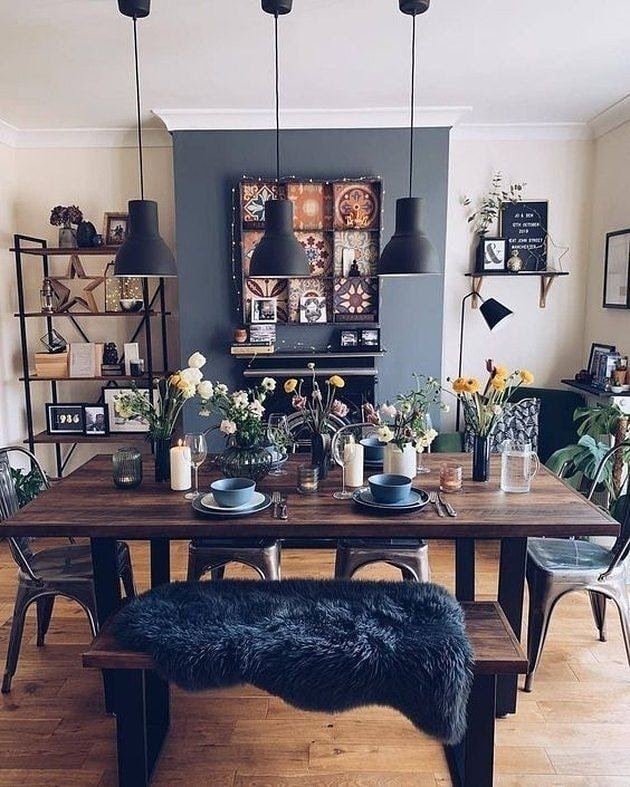
A luxury dining room in a contemporary home is a perfect blend of elegance, functionality, and style. It serves as the heart of the home, where family gathers, friends socialize, and memorable meals are shared. Designing a dining room that feels luxurious yet comfortable requires careful attention to furniture, lighting, textures, and decorative accents.
Elegant Dining Tables
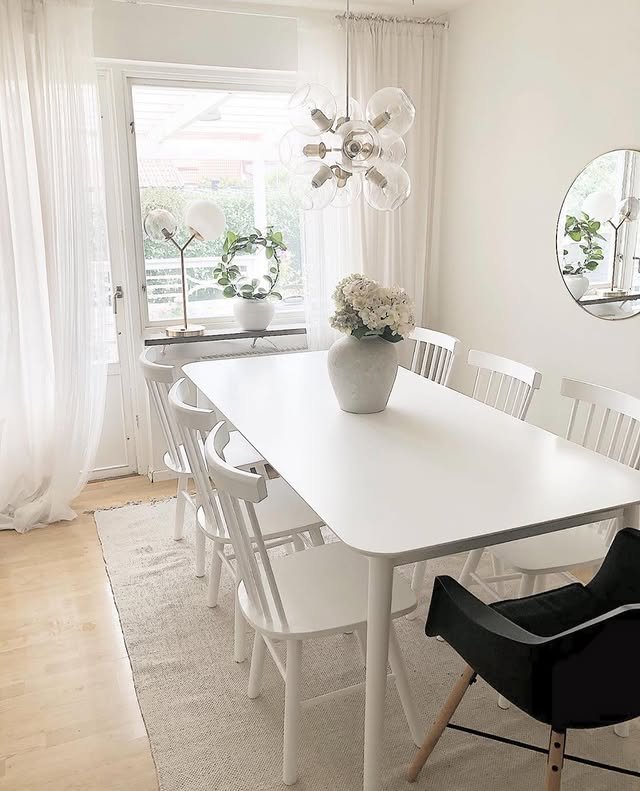
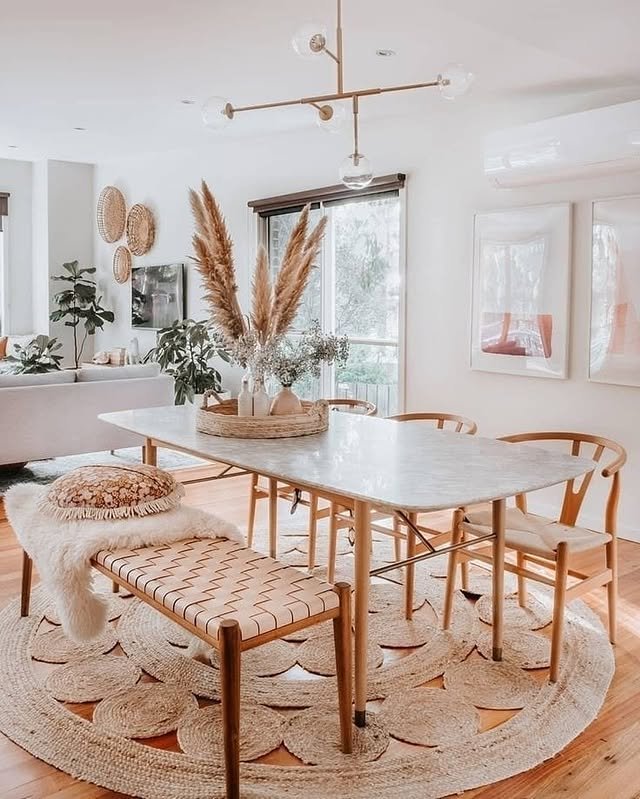
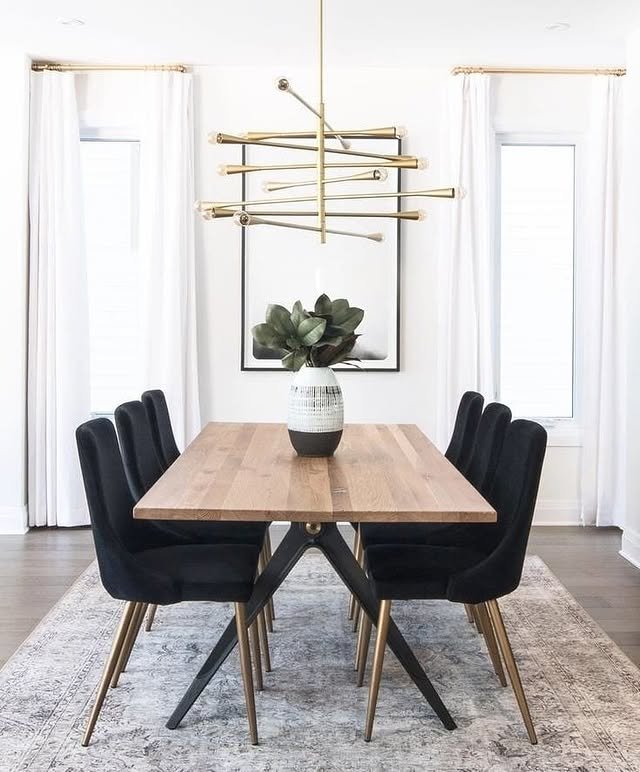
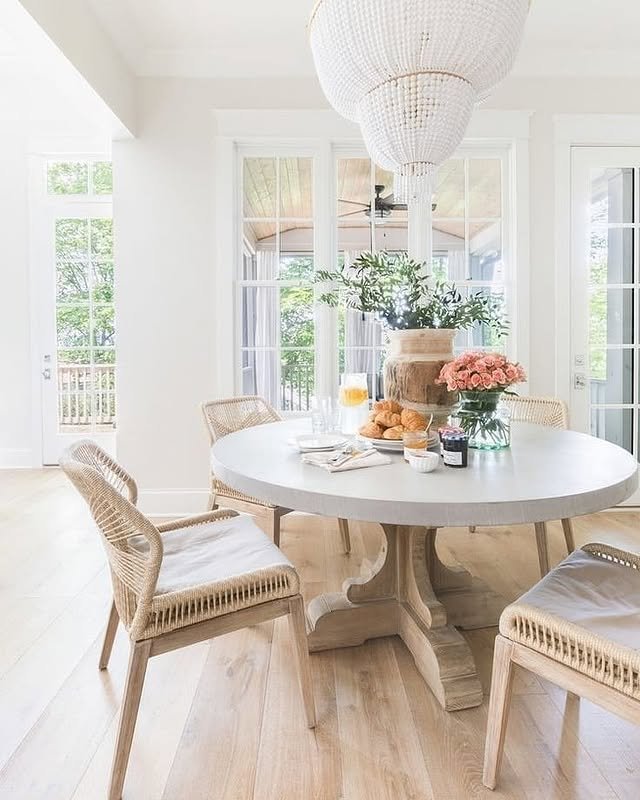
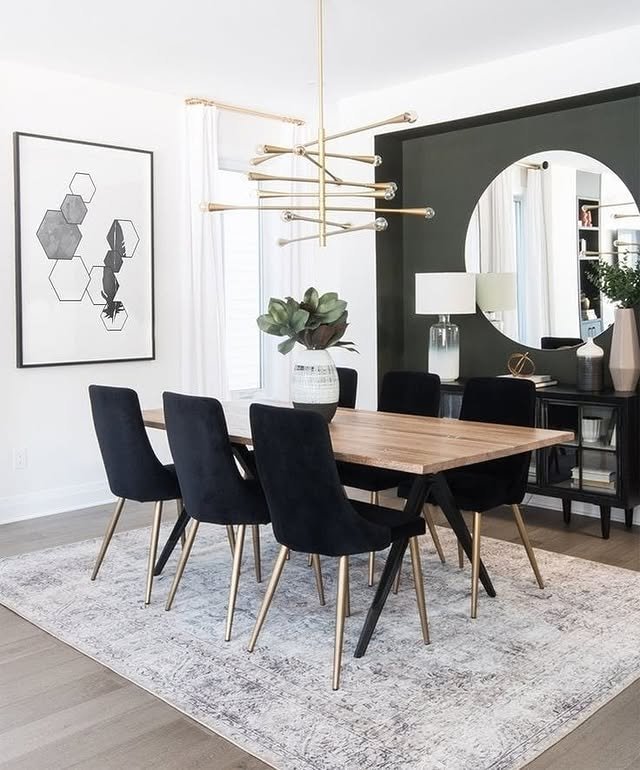
The dining table is the focal point of the room. Contemporary luxury designs often feature materials like polished marble, tempered glass, or high-quality wood with unique grain patterns. Sleek metal or gold-finished legs add a modern touch, while round or oval shapes encourage conversation. For larger families or entertaining guests, extendable tables provide both flexibility and sophistication.
Comfortable and Stylish Seating
Chairs are not just functional—they define the room’s comfort and aesthetic. Upholstered chairs in velvet, leather, or premium fabric enhance luxury while providing ergonomic support. High backs with tufted details or minimalistic designs with clean lines can both work in a contemporary setting. For added interest, consider mixing textures or subtle color contrasts to create a cohesive yet dynamic look.
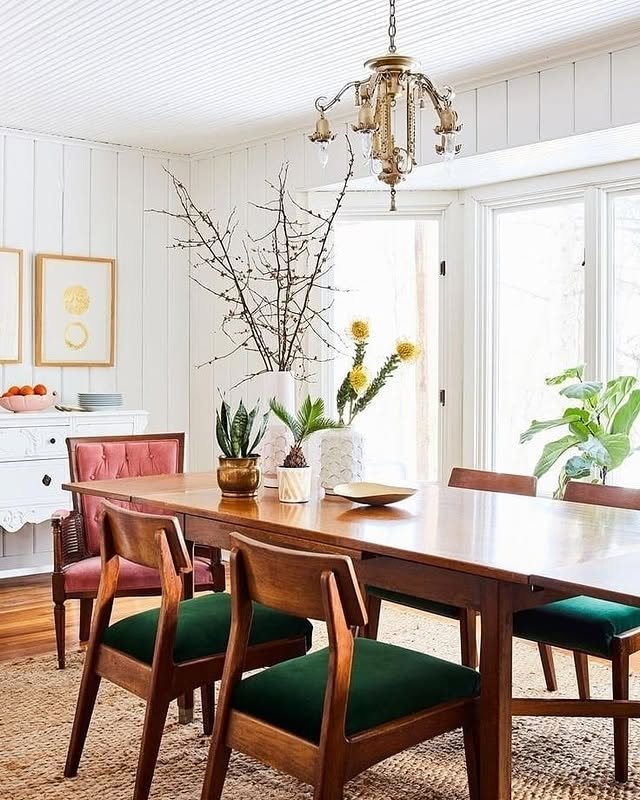
Lighting: The Ultimate Statement
Lighting transforms a dining room into a luxurious space. A statement chandelier or pendant lights above the table draw attention and set the tone. Sculptural fixtures in gold, bronze, or matte black elevate the aesthetic, while dimmable lighting ensures the ambiance suits both casual dinners and formal gatherings. Layered lighting, such as recessed lights or wall sconces, adds depth and warmth, making the space inviting day and night.
Luxurious Textures and Materials
In a contemporary luxury dining room, textures play a significant role. Glossy surfaces, natural wood, metallic accents, and soft fabrics create visual interest and tactile pleasure. Consider a statement rug under the table to define the space, or metallic decor pieces like vases, candleholders, and sculptures for subtle opulence. Mirrors and glass surfaces can make the space feel larger while reflecting light beautifully.
Color Palette and Décor
Neutral tones like ivory, taupe, gray, or soft pastels provide a timeless backdrop, while bold accent colors in furniture or artwork create sophistication. Minimalist decor with curated pieces ensures the space doesn’t feel cluttered. Artworks, wall panels, and decorative items like crystal bowls or ceramic sculptures can enhance elegance without overwhelming the room.
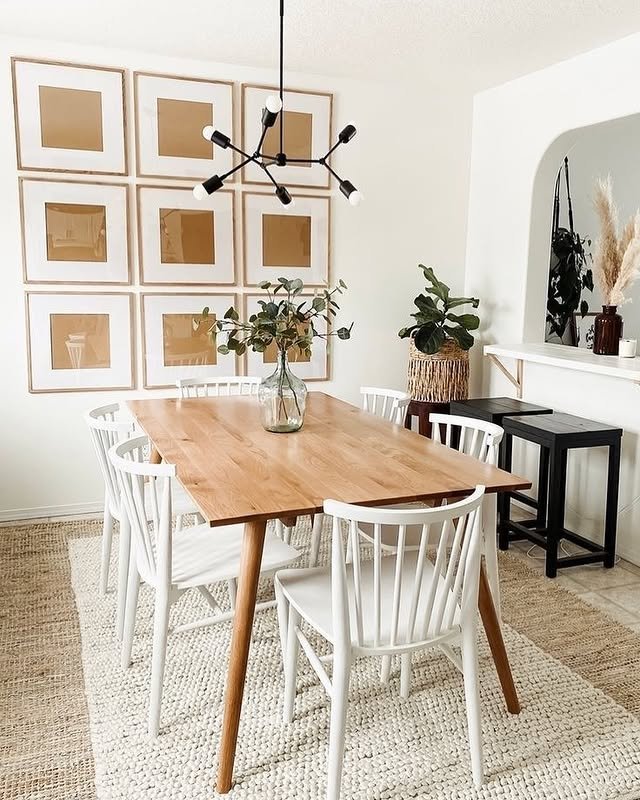
Open Concept and Flow
Modern homes often feature open-concept layouts, where the dining room seamlessly connects to the kitchen and living area. Define the dining space with area rugs, lighting, or strategic furniture placement. This integration maintains a cohesive flow while keeping the dining room distinct as a place for gathering and entertaining.
Final Touches
Adding greenery with potted plants or fresh flowers introduces life and freshness. Incorporating personal touches like family heirlooms or unique centerpieces ensures the space feels luxurious yet personal. With attention to these details, a contemporary luxury dining room becomes a space that balances style, comfort, and memorable experiences.
By carefully combining these elements—statement furniture, luxurious textures, artistic lighting, and thoughtful decor—you can create a dining room that is not only functional but also an expression of elegance and modern sophistication, making every meal a truly special occasion.
https://www.instagram.com/thepaintgirlng
The Power of Visual Symmetry: Crafting a Balanced Modern Entryway
This interior view demonstrates the impact of Architectural Symmetry, a design principle that uses balanced proportions to create a sense of calm and high-end prestige. By combining structured gallery walls with warm, organic textures, the space feels both curated like an art gallery and welcoming like a home.
The Anchor: Geometric Gallery Walls
The most defining feature of this space is the use of perfectly aligned art grids to define the transition between rooms.
-
Symmetrical Precision: A $2 \times 3$ grid of framed prints creates a strong vertical element that draws the eye upward, emphasizing the height of the ceiling.
-
The Black-and-White Contrast: Using thin black frames against crisp white walls provides a graphic, modern edge. This “repetitive order” acts as a visual anchor that stabilizes the open floor plan.
-
Minimalist Art: By choosing simple, abstract, or monochromatic prints, the art adds texture without creating visual clutter, allowing the architecture of the home to remain the star.
Material Harmony: Light Wood and Soft Textures
To balance the sharp, graphic lines of the gallery walls, the designer has introduced a layer of “Modern Organic” warmth.
-
The Chevron Console: A light-oak console table serves as a functional and decorative hub. The chevron wood-inlay pattern on the cabinet doors adds a layer of artisanal craftsmanship and subtle movement.
-
Natural Fibers: A chunky, braided jute or wool rug in a light cream tone provides a tactile foundation. This “soft” element is essential in a hallway or entryway to dampen acoustics and introduce physical warmth.
-
Rounded Accents: A large, circular ceramic table lamp on the console breaks up the straight lines of the frames and shelving, providing a soft, organic silhouette.
Functional Styling: The Curated Built-in
In the background, a white built-in shelving unit demonstrates how to style for both utility and beauty.
-
Tonal Grouping: Items on the shelves are grouped by color—mostly whites, creams, and earth tones. This keeps the storage from looking busy.
-
Layering Greenery: A tall glass vase with fresh green branches introduces a pop of biophilic life. This organic element softens the transition between the structured interior and the natural light flowing in from adjacent rooms.
-
Symmetry in Decor: The placement of lamps and decorative objects follows a balanced layout, echoing the order of the gallery wall across the hall.
Key Design Takeaway: The “Grid and Grain” Balance
The success of this design lies in the Grid and Grain technique. The “Grid” (the gallery wall and shelving) provides the structure and formal prestige, while the “Grain” (the wood console and textured rug) provides the comfort and approachability. When designing a transitional space like a hallway or entry, balancing these two forces ensures the area feels intentional rather than just a pass-through.
https://www.instagram.com/thepaintgirlng
The Structured Sanctuary: Mastering Modern Symmetrical Design
A hallmark of high-end interior design is the use of Architectural Symmetry. This approach creates a sense of visual order and prestige, transforming transitional spaces like entryways and hallways into intentional design statements. By balancing structured “grid” elements with organic “grain” textures, a home can feel both professionally curated and deeply welcoming.
The Foundation: The Symmetrical Gallery Wall
The most impactful element of this design is the use of a perfectly aligned art grid. This technique provides immediate structural definition to a room.
-
The 2×3 Grid: Utilizing six matching frames in a two-by-three layout draws the eye upward, emphasizing the height of the ceiling and creating a strong vertical focal point.
-
Monochromatic Order: Using thin black frames against crisp white walls provides a graphic, modern edge. Minimalist or abstract prints within the frames ensure the wall adds texture without creating visual clutter.
-
Architectural Alignment: Centering the gallery wall over a key piece of furniture, like a console table, anchors the entire arrangement and gives the space a sense of purpose.
The “Grid and Grain” Balance
To prevent a symmetrical layout from feeling too rigid or cold, designers introduce “Modern Organic” elements to soften the lines.
-
Chevron Woodwork: A light-oak console table with chevron or herringbone wood-inlay doors introduces artisanal craftsmanship. This “grain” provides a tactile counterpoint to the “grid” of the art frames.
-
Organic Silhouettes: Breaking up the straight lines is essential. A large, circular ceramic table lamp provides a soft, rounded silhouette that interrupts the sharp angles of the frames and the table.
-
Natural Foundations: A light-toned, textured rug—such as a chunky wool or braided jute—adds physical warmth and helps dampen acoustics in high-traffic transitional areas.
Curated Shelving and Biophilic Life
Functional storage, like built-in shelving, is treated as a secondary gallery, following the same principles of balance and tone.
-
Tonal Grouping: Styling shelves with objects in a restricted palette of whites, creams, and earth tones keeps the storage from looking busy. This creates a cohesive “visual flow” between the shelving and the nearby art.
-
Vertical Greenery: A tall, minimalist vase with fresh green branches introduces an organic, “living” shape. This biophilic element adds movement and a pop of natural color to an otherwise neutral environment.
-
Lighting Layers: Incorporating warm-toned lamps at eye level creates “pools of light” that make the space feel intimate and high-end, especially in the evening.
Key Design Takeaway: Repetition for Cohesion
The secret to a professional-looking space is the Visual Echo. Notice how the black of the picture frames is echoed in the slim legs of the console or the accents on the shelves. By repeating specific finishes and materials at different heights, the room feels like a single, unified thought rather than a collection of separate items.
https://www.instagram.com/thepaintgirlng
The Art of the Balanced Hallway: Symmetry and Textured Sophistication
Hallways and entryways are more than just thoroughfares; they are the connective tissue of a home that sets the tone for the entire interior. This design showcases how to use Architectural Symmetry and a curated “Grid and Grain” approach to transform a transitional space into a prestigious, gallery-like experience.
The Anchor: Symmetrical Gallery Walls
The most impactful element of this space is the use of perfectly aligned art grids. This technique provides immediate structural definition and a sense of calm.
-
The 2×3 Grid Strategy: Utilizing six matching black frames in a two-by-three layout draws the eye upward, emphasizing the height of the ceiling. This verticality makes even narrow hallways feel grander.
-
Monochromatic Order: Choosing minimalist, monochromatic prints ensures the wall adds texture and “rhythm” without creating visual clutter. The black frames provide a sharp, graphic contrast against the crisp white walls.
-
Intentional Alignment: By centering the gallery wall over a key piece of furniture, the designer anchors the arrangement, giving the pass-through area the weight of a dedicated room.
Material Harmony: The “Grid and Grain” Balance
To prevent a symmetrical layout from feeling too rigid or sterile, designers introduce “Modern Organic” elements that provide warmth and tactile interest.
-
The Chevron Console: A light-oak console table acts as the room’s secondary focal point. The chevron wood-inlay pattern on the doors introduces artisanal craftsmanship and a soft, natural “grain” that balances the sharp “grid” of the art frames.
-
Organic Silhouettes: Breaking up the straight lines is essential for a lived-in feel. A large, circular ceramic table lamp on the console provides a soft, rounded silhouette that interrupts the angles of the frames and the table.
-
Textural Foundation: A light-toned, textured rug—such as a chunky wool or braided jute—adds physical warmth and helps dampen acoustics in high-traffic areas, making the home feel quieter and more private.
Curated Shelving and Biophilic Accents
In the background, built-in shelving demonstrates how to style for both utility and high-end aesthetics.
-
Tonal Styling: Organizing books and objects in a restricted palette of whites, creams, and earth tones creates a cohesive “visual flow” that mirrors the simplicity of the gallery wall.
-
Vertical Greenery: A tall, minimalist vase with fresh green branches introduces an organic, “living” shape. This biophilic element adds movement and a pop of natural color to an otherwise neutral environment.
-
Layered Illumination: Warm-toned lamps placed at eye level create “pools of light” that make the hallway feel intimate and welcoming, especially in the evening.
Key Design Takeaway: The “Visual Echo”
The hallmark of a professional space is the visual echo—the repetition of a specific material, color, or finish at different heights. Notice how the black of the picture frames is echoed in the slim legs of the console and the accents on the shelving. These subtle repetitions tie the disparate elements together into a single, intentional thought.
https://www.instagram.com/thepaintgirlng
Modern Traditional Living: A Masterclass in Symmetrical Sophistication
This living space is a definitive example of Modern Traditional design, where the formal elegance of classical architecture is updated with a high-contrast, minimalist palette. By utilizing sharp “grid” elements alongside warm, organic textures, the room achieves a prestigious look that remains inviting and fresh.
The Architectural Framework: High-Contrast Definition
The room’s character is built upon a foundation of structured lines that provide immediate visual order.
-
The Symmetrical Art Grid: A $2 \times 3$ gallery wall featuring six identical black frames serves as the primary focal point. This “grid” strategy draws the eye upward, emphasizing the height of the room and creating a sense of formal prestige.
-
Monochromatic Order: By choosing minimalist, black-and-white abstract prints, the art adds texture and rhythm without introducing visual noise. The thin black frames mirror the graphic lines found in the nearby window panes.
-
Clean Architectural Lines: Crisp white walls and matching trim allow the dark furniture and black accents to pop, ensuring the space feels expansive and airy despite its formal layout.
Material Harmony: The “Grid and Grain” Balance
To prevent the symmetrical layout from feeling too rigid or sterile, the design incorporates “Modern Organic” elements that introduce warmth.
-
The Chevron Console: Centered beneath the gallery wall is a light-oak console table. The sophisticated chevron wood-inlay pattern on the doors provides a natural “grain” that acts as a tactile counterpoint to the sharp “grid” above it.
-
Textural Foundations: A large, light-toned rug with a subtle vertical texture anchors the seating area. This adds physical warmth and helps dampen acoustics, which is essential for making large, open-concept rooms feel cozy.
-
Sculptural Accents: A rounded ceramic table lamp and a tall glass vase with fresh green branches introduce organic silhouettes. These “soft” shapes break up the straight lines of the frames and the console, humanizing the structured environment.
Curated Shelving and Functional Styling
In the background, a white built-in shelving unit demonstrates how to style for both utility and high-end aesthetics.
-
Tonal Styling: Organizing books and decor in a restricted palette of whites, creams, and earth tones creates a cohesive “visual flow” that mirrors the simplicity of the gallery wall across the room.
-
Layered Illumination: Warm-toned lamps placed at eye level create “pools of light” that make the living area feel intimate and welcoming, especially in the evening.
-
Biophilic Verticality: The use of tall, leafy branches provides a pop of living color and organic movement, bridging the gap between the interior and the natural world.
Key Design Takeaway: The “Visual Echo”
The hallmark of a professional space is the visual echo—the repetition of specific materials and finishes at different heights. Notice how the matte black of the picture frames is echoed in the slim hardware of the console and the accents on the shelving. These subtle repetitions tie the disparate elements together into a single, intentional thought.