Boho Chic Dining Room Ideas for a Warm and Stylish Home
Boho Chic Dining Room Ideas for a Warm and Stylish Home
Designing a boho chic dining room is all about creating a warm, relaxed space filled with texture, personality, and natural elements. Whether you’re styling a small apartment corner or a spacious entertaining area, a well-designed boho dining room blends comfort with artistic flair.What Makes a Perfect Boho Dining Room?
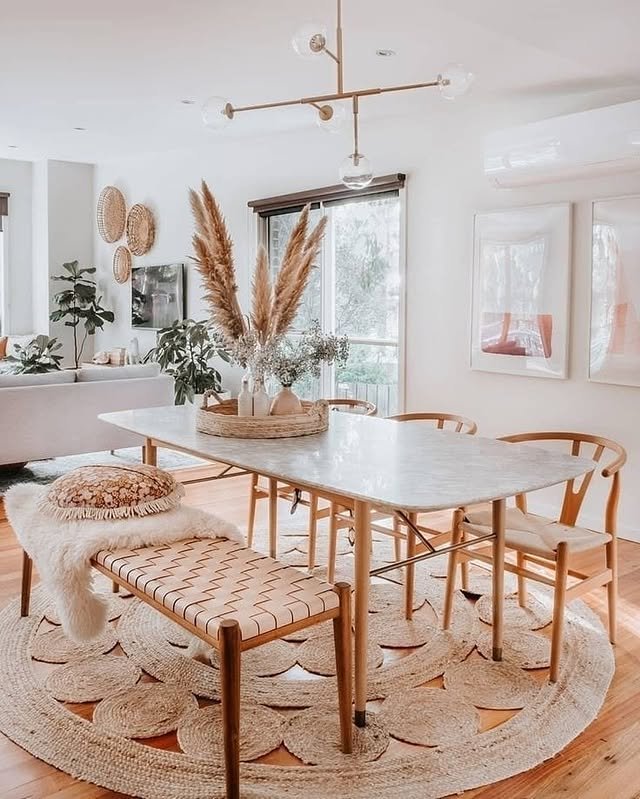
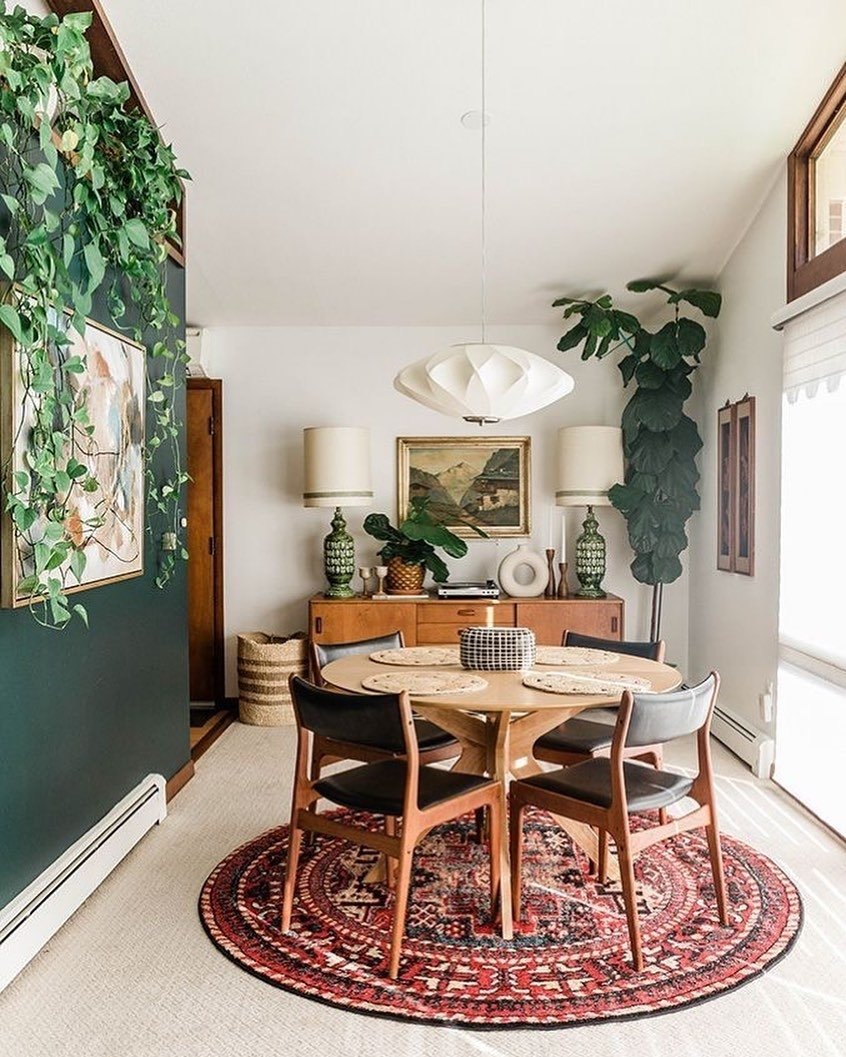
A beautiful boho style dining room combines earthy tones, layered textiles, greenery, and handcrafted décor. The charm of boho dining rooms lies in their collected, effortless look — nothing feels too staged or overly matched. Key features often include:- Natural wood furniture
- Woven accents
- Patterned rugs
- Soft lighting
- Vintage or global-inspired décor
Choosing the Right Boho Dining Room Table
https://www.instagram.com/diningroomdesignideas/
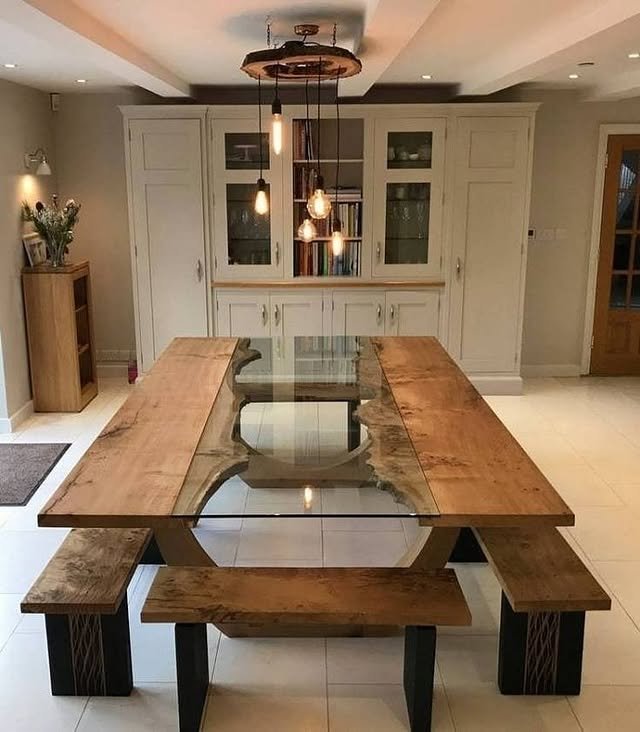
Your boho dining room table is the centerpiece of the space. Popular options include:- Solid oak or reclaimed wood tables
- Round pedestal styles
- Rustic farmhouse designs
- Mid-century silhouettes
Styling a Complete Boho Dining Room Set
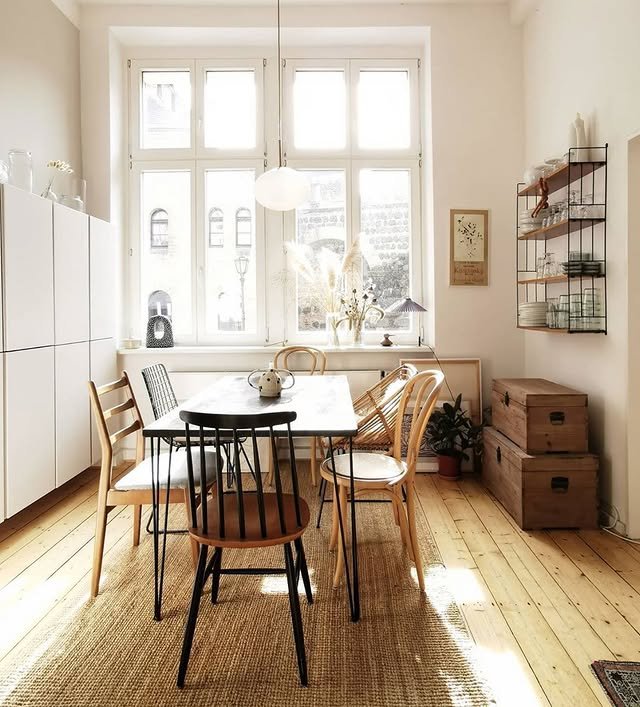
A curated boho dining room set can make decorating easier while maintaining that relaxed vibe. Look for sets that feature warm wood finishes, cane detailing, or upholstered chairs with soft fabrics. To elevate your bohemian style boho dining room, layer in:- Patterned seat cushions
- A textured area rug
- Statement wall art
- Natural centerpieces
Boho Dining Room Chairs That Add Character
The right boho dining room chairs can transform your space instantly. Consider:- Rattan or wicker chairs
- Upholstered linen seating
- Bentwood frames
- Mixed material designs
Lighting: The Heart of a Boho Dining Room
https://www.instagram.com/diningroomdesignideas/
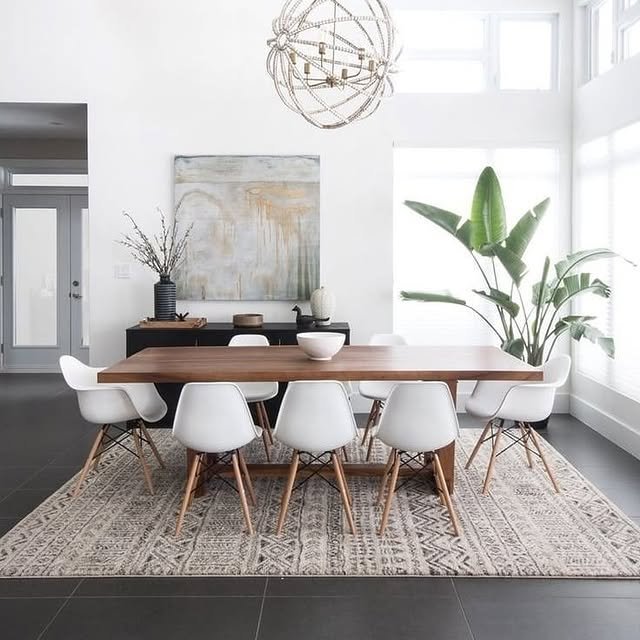
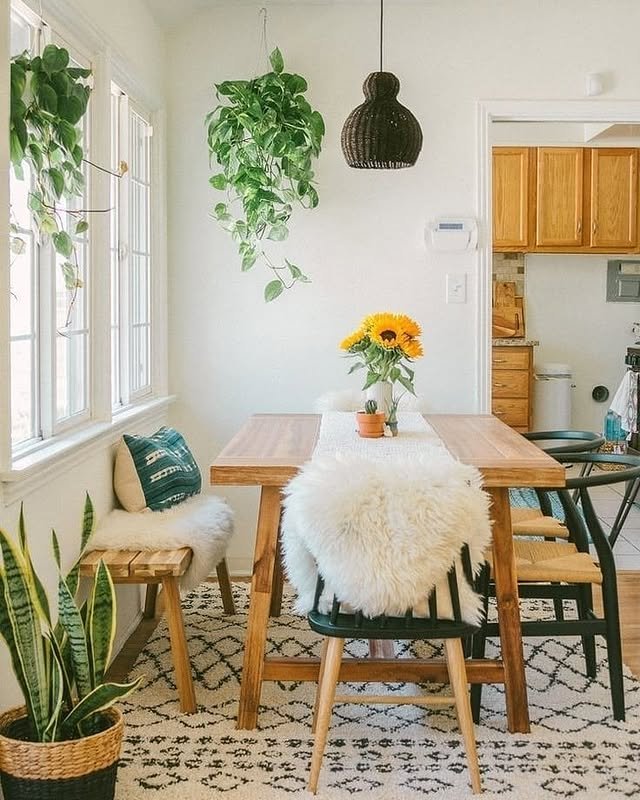
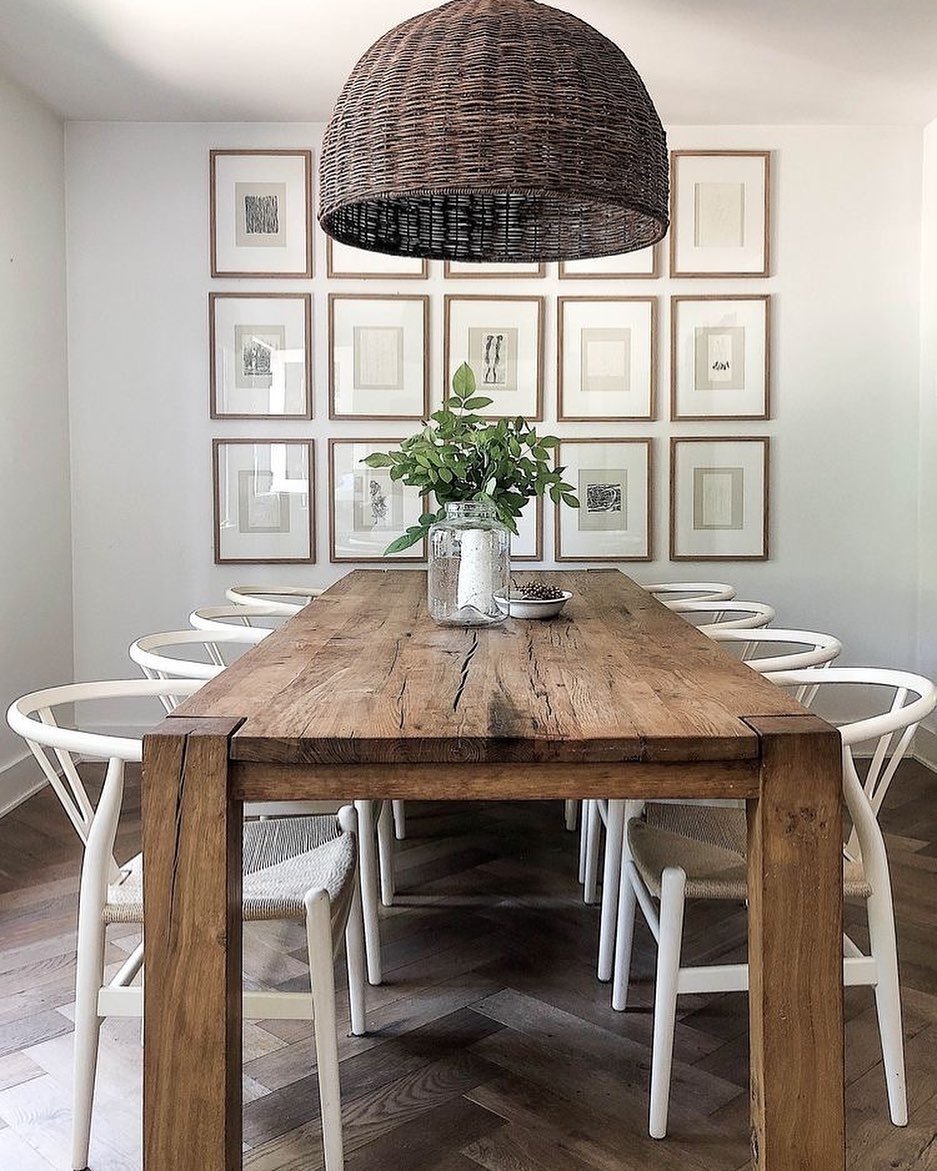
Lighting defines the mood in any boho dining room. Popular options include:- A woven boho chandelier for dining room spaces
- Oversized pendants
- Beaded chandeliers
- Natural fiber shades
Modern Boho Dining Room Ideas
If you prefer cleaner lines, try modern boho dining room ideas that mix minimalism with warmth. A boho modern dining room often features:- Neutral color palettes
- Black metal accents
- Simple wood furniture
- Subtle layered textures
Adding Color to a Colorful Boho Dining Room
https://www.instagram.com/diningroomdesignideas/
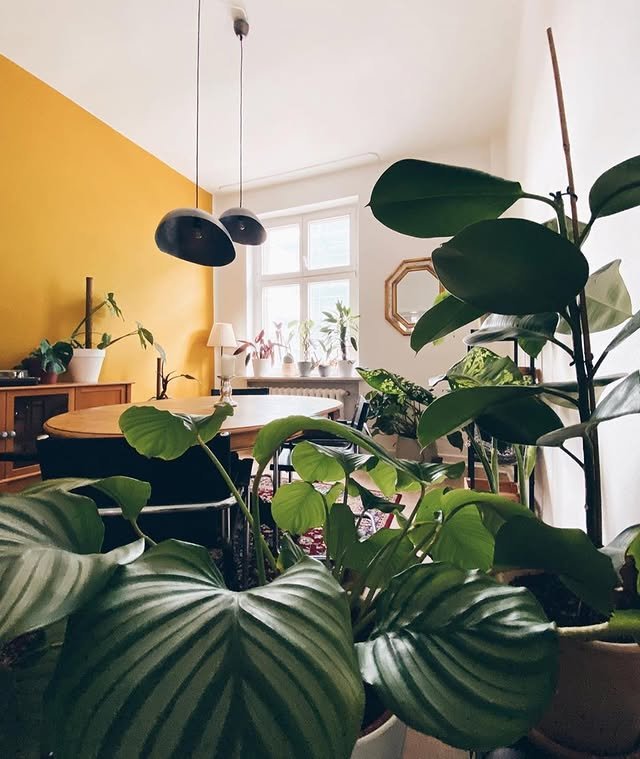
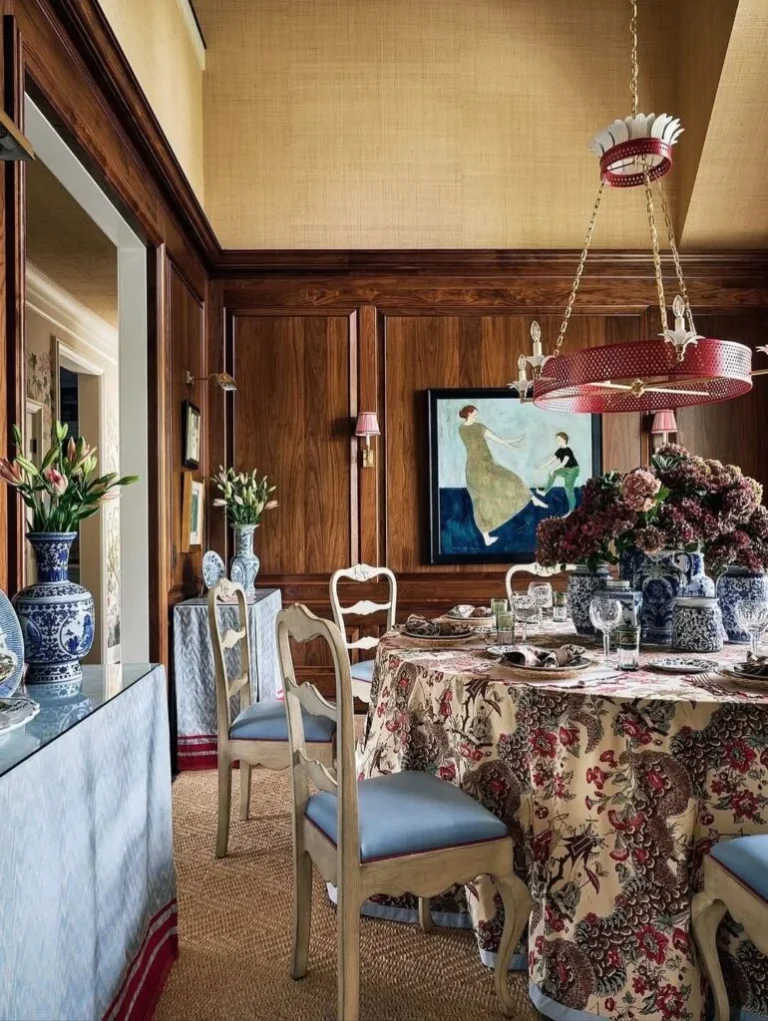
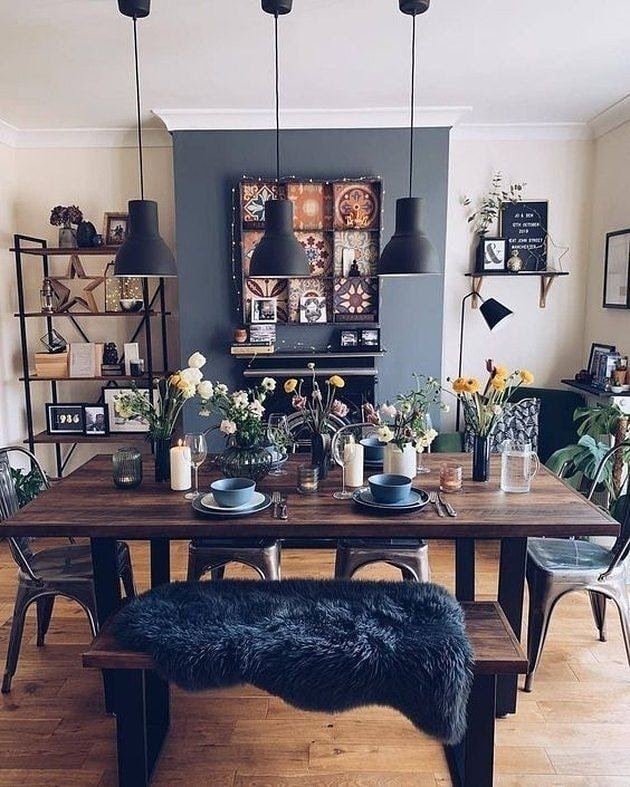
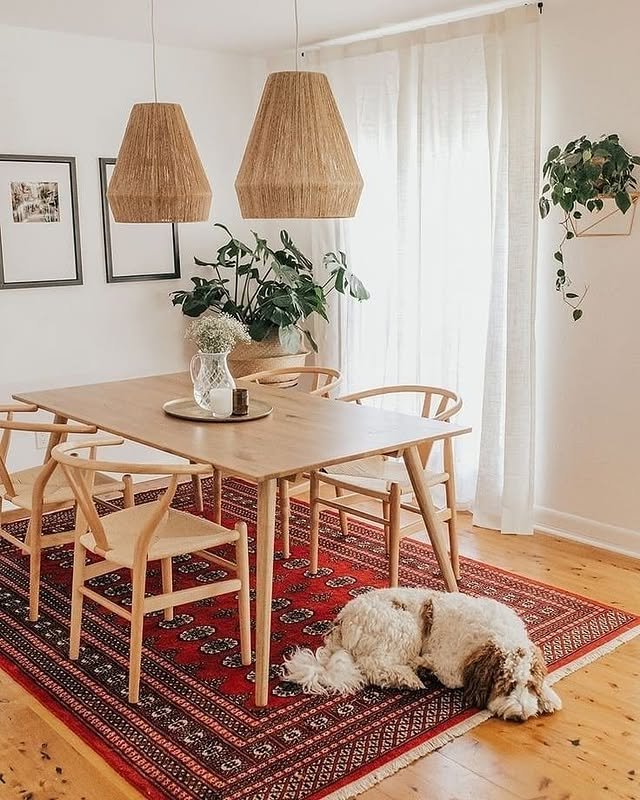
A colorful boho dining room embraces earthy and jewel tones like terracotta, mustard, emerald, and deep blue. Layer rugs, cushions, and artwork to create a vibrant yet balanced atmosphere.Final Thoughts
Whether you’re styling a small nook or a large entertaining space, a thoughtfully designed boho chic dining room brings warmth, personality, and creativity into your home. By choosing the right boho dining room table, layering textures, selecting unique boho dining room chairs, and installing statement boho dining room light fixtures, you can create a truly inviting and inspiring space.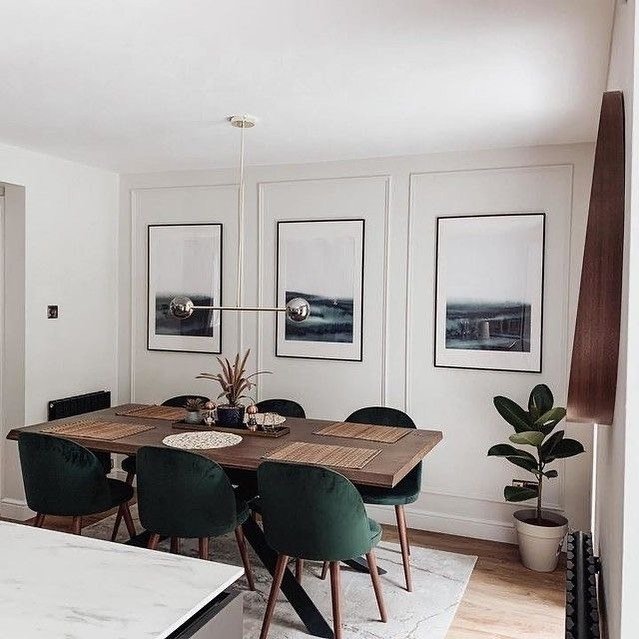
https://www.instagram.com/diningroomdesignideas/
Modern Organic Simplicity: Balancing Texture and Tones
This dining space is an excellent study in Modern Organic design, a style that blends clean, contemporary lines with the warmth of natural materials. By utilizing a restricted palette of warm woods, crisp whites, and matte black accents, the room feels curated yet incredibly cozy and lived-in.
The Foundation: Wood on Wood
The success of this room depends on the harmonious layering of different wood tones to prevent a monochrome space from feeling flat.
-
The Tapered Trestle Table: The centerpiece is a heavy, light-oak dining table with substantial angled legs. Its raw, natural grain provides an organic anchor for the room’s more structured elements.
-
Warm Hardwood Floors: The medium-toned wood flooring runs perpendicular to the table, creating a sense of expansiveness.
-
Framing the View: The black-framed French door in the background acts as a graphic architectural element, its dark grid mirroring the silhouettes of the dining chairs.
Graphic Silhouettes: The Power of Black
To contrast the abundance of warm wood, the designer used matte black furniture to provide “visual weight” and modern definition.
-
Classic Spindle Chairs: The black Windsor-style chairs bring a rhythmic, vertical pattern to the table. Their airy spindles ensure the room feels light and uncluttered, even with six chairs around the table.
-
The Sculptural Chandelier: A brass-finished chandelier with large glass globes hangs as a sophisticated “geometric crown”. The warm metallic finish ties into the wood tones, while the glass globes provide a soft, diffused light.
Softening with Textiles and Botanicals
High-contrast rooms can sometimes feel “sharp,” so the addition of soft textiles is crucial for balance.
-
Macramé Runner: A white, fringed macramé runner adds a touch of bohemian texture to the solid wood tabletop. Its intricate knotting provides a delicate, handmade contrast to the heavy furniture.
-
Chevron Jute Rug: A large, flat-weave rug with a subtle chevron pattern anchors the entire dining set. The natural fibers of the rug echo the organic theme while protecting the hardwood floors.
-
Vertical Greenery: A black vase filled with dried wheat stalks adds height and a seasonal, harvest-inspired texture. In the corner, a lush Fiddle Leaf Fig brings a necessary pop of living color to the neutral space.
Key Design Takeaway: Texture as Color
In a neutral room, texture takes the place of color. Here, the “interest” comes from the rough grain of the wood, the soft weave of the macramé, the organic shape of the plants, and the smooth glass of the lighting. If you remove the color from a room, you must increase the variety of textures to keep the eye moving.
https://www.instagram.com/diningroomdesignideas/
Curated Comfort: The New Standard in Modern Dining
Modern dining design is shifting away from clinical minimalism toward a more layered, “curated” aesthetic. By blending sharp architectural lines with organic textures and historic silhouettes, these spaces achieve a sophisticated balance that feels both high-end and deeply personal.
1. The Power of High-Contrast Neutrals
A recurring theme in contemporary dining is the use of a high-contrast palette to define different zones within the home.
-
Matte Black Accents: From slim spindle chairs to bold, gridded architectural doors, matte black provides a graphic anchor that prevents light-filled rooms from feeling washed out.
-
Moody Perimeters: Utilizing dark charcoal or deep teal on a single accent wall—or even the ceiling—creates an intimate, “jewelry box” effect that makes natural wood furniture pop.
-
Monochrome Sophistication: In ultra-modern spaces, a black-and-white theme is often softened through the use of luxurious materials like marble tables paired with textured bouclé seating.
2. Bringing the Outdoors In: Organic Textures
To balance the hard surfaces of modern cabinetry and flooring, designers are leaning heavily into biophilic elements and raw materials.
-
Sculptural Greenery: Large-scale plants like Fiddle Leaf Figs or cascading Pothos vines add life and movement to corners. Dried elements, such as oversized terracotta branches or wheat stalks, provide a low-maintenance, organic focal point on tabletops.
-
Tactile Textiles: Texture often replaces color as the primary source of interest. This is achieved through macramé table runners, woven jute rugs, or cane-back bistro chairs that introduce a handmade, vintage feel.
-
Live-Edge and Patterned Wood: Natural wood remains the heart of the dining room, whether showcased in a massive live-edge table or a sophisticated herringbone-patterned tabletop.
3. Iconic Lighting as a Focal Point
Lighting has evolved from a functional necessity to the primary architectural statement of the room.
-
Geometric Chandeliers: Multi-arm brass fixtures with exposed globes offer a modern evolution of the classic candelabra, adding metallic warmth to transitional spaces.
-
Natural Weaves: Oversized woven or slatted pendants create a soft, diffused glow and echo the organic materials found elsewhere in the room.
-
Sculptural Minimalism: Unique silhouettes, such as arched gold pendants or pleated saucer lights, act as hanging art pieces that define the dining area within open-concept layouts.
4. Symmetry and the Art of the Gallery Wall
Empty wall space is being utilized to reinforce the room’s design language through structured art displays.
-
The Grid Layout: A perfectly symmetrical 2×3 or 2×2 grid of framed black-and-white prints creates a sense of order and height.
-
Mixing Eras: Combining abstract contemporary works with traditional framed landscapes helps a room feel like a collection gathered over time rather than a single showroom set.
Key Design Takeaway: The “Visual Echo”
The secret to a professionally designed room is the repetition of materials at different heights. For example, matching the black of a chair leg to the frame of a mirror or echoing the woven texture of a light fixture in the seats of the chairs creates a cohesive “visual echo” that ties the entire space together.
https://www.instagram.com/diningroomdesignideas/
The New Formal: Reimagining the Traditional Dining Room
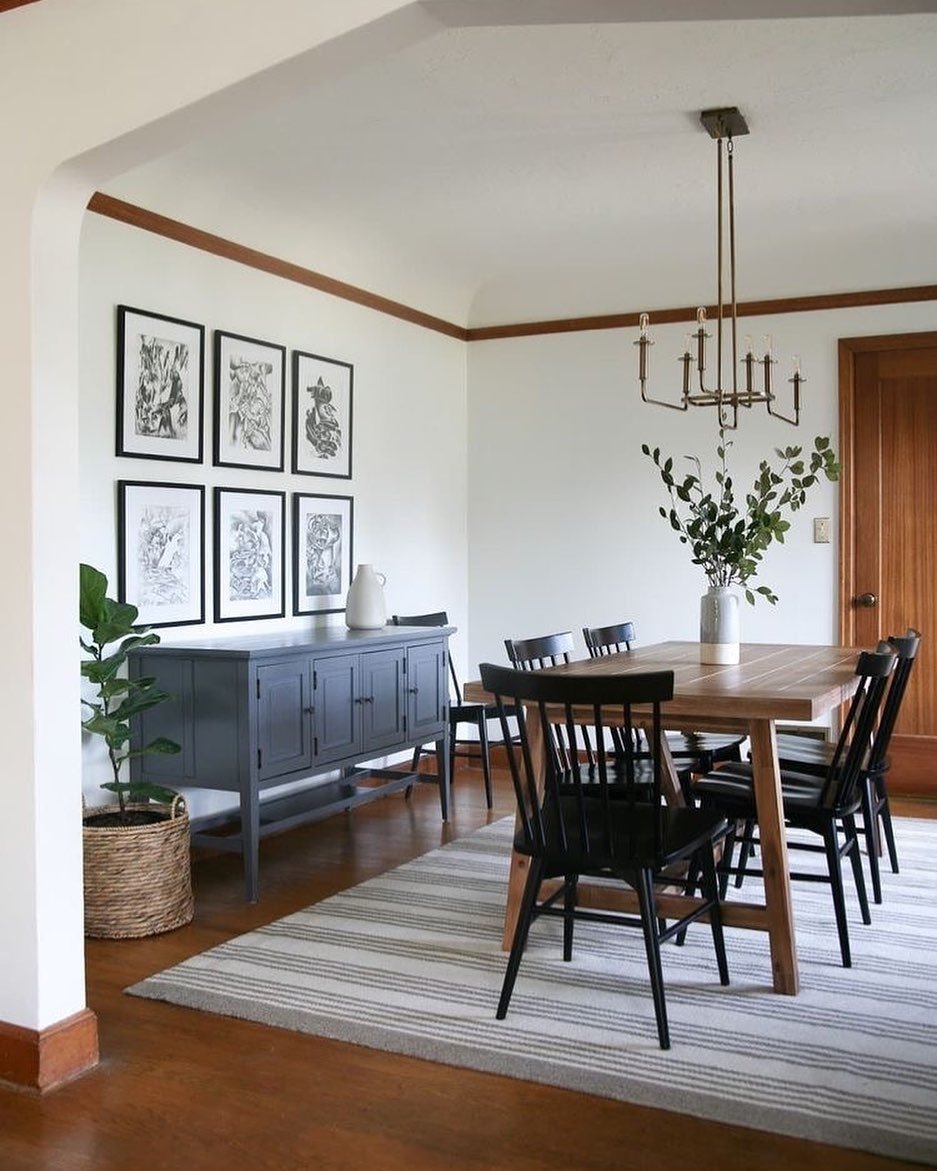
This dining space is a masterful example of “Modern Traditional” design. It takes the formal structure of a classic dining room—complete with a large table, sideboard, and structured seating—and updates it with a high-contrast, minimalist color palette. The result is a room that feels prestigious and ready for hosting, but remains clean and uncluttered.
The Architecture of the Walls
The room’s character is defined by its substantial architectural details, which are highlighted through the use of crisp white paint.
-
Wainscoting and Trim: The lower half of the walls features traditional paneling (wainscoting), which adds a layer of formal texture. By painting the trim, walls, and ceiling the same shade of bright white, the room feels expansive and airy despite the heavy furniture.
-
The Window Frame: The large window at the far end acts as a natural light source that softens the dark furniture. Simple, clean lines in the window casing mirror the geometric patterns found in the rug and chairs.
The Contrast Strategy: Ebony and Oak
To ground the bright white room, the designer utilized deep, dark tones for the primary furniture pieces.
-
The Trestle Table: A massive, dark-stained wood table serves as the anchor. Its heavy trestle base provides a sense of history and permanence, while the dark finish adds a modern, sophisticated edge.
-
Spindle Seating: Black Windsor-style chairs surround the table. Their thin vertical spindles create a rhythmic pattern that allows the eye to travel through them, ensuring the large dining set doesn’t visually “block” the room.
-
The Statement Sideboard: Against the side wall, a long black sideboard provides functional storage. Its dark silhouette against the white wainscoting creates a sharp, graphic focal point.
Pattern and Texture
In a room with very little color, pattern and organic texture become the “art.”
-
The Geometric Rug: A large, low-pile rug with a black-and-white diamond (harlequin) pattern defines the dining zone. The geometric precision of the rug provides a modern counterpoint to the more traditional furniture.
-
Natural Accents: A large woven basket sits in the corner, holding a lush green plant. This introduces a necessary organic shape and a pop of life. On the table, a simple white vase with tall, dried branches adds height and a delicate, natural texture.
Lighting and Detail
-
The Minimalist Chandelier: A black multi-arm chandelier with exposed bulbs hangs low over the table. Its slim, linear design is a modern take on the traditional candelabra, providing light without adding visual bulk.
-
Symmetrical Decor: The sideboard is styled with a symmetrical arrangement of lamps and a large, dark-framed mirror. The mirror reflects light from the window, making the room feel even deeper.
Key Design Takeaway: Balancing “Visual Weight”
The secret to this room’s success is the balance of heavy and light elements. The “heavy” table and sideboard are balanced by the “light” spindle chairs and the open-arm chandelier. When you have a massive piece of furniture, pairing it with “see-through” elements like spindles or glass keeps the space feeling breathable.
https://www.instagram.com/diningroomdesignideas/
The Art of the Balanced Table: Modern Dining Trends
Current dining room design has moved beyond simple utility, evolving into a sophisticated exercise in balancing high-contrast palettes with organic, tactile warmth. By layering architectural silhouettes against natural textures, these spaces create an environment that feels both curated and comfortable.
The Foundation: Statement Wood and Texture
At the heart of the modern dining room is a commitment to natural materials, particularly in the choice of the dining table itself.
-
Architectural Woodwork: Massive, solid-wood tables are a recurring anchor, ranging from raw-edge trestle styles to sophisticated light-oak pieces featuring intricate herringbone or chevron patterns.
-
Tactile Flooring: Designers often ground these heavy wood elements with textured rugs. Popular choices include natural jute with chevron weaves, linear striped patterns that stretch the room visually, or bold geometric diamond prints for a modern graphic edge.
-
Hybrid Materials: In more luxurious open-concept spaces, the warmth of wood is often balanced by the coolness of marble, creating a “Quiet Luxury” aesthetic that prioritizes high-quality natural stone.
Seating: Mixing Heritage and Modernity
Contemporary seating often utilizes slim silhouettes to keep the visual flow open around substantial tables.
-
The Spindle Revival: Black Windsor-style or spindle chairs are a favorite for their rhythmic, vertical lines that provide a graphic “pop” against white walls.
-
Organic Materials: The “Japandi” influence is seen in the use of cane-back bistro chairs and light wood Wishbone-style seating. These materials introduce a handmade, vintage texture that softens modern architectural lines.
-
Modern Softness: To provide comfort, designers frequently opt for upholstered barrel chairs in bouclé or heathered grey fabrics, which introduce a soft, tactile counterpoint to hard stone or wood surfaces.
Lighting and Vertical Interest
Lighting has transitioned from a functional tool to the primary sculptural centerpiece of the room.
-
Woven and Slatted Pendants: Large-scale woven drum pendants or wooden slatted fixtures create a soft, diffused glow and echo the organic materials found in the furniture below.
-
Geometric Minimalism: Modern chandeliers often feature slim, multi-arm brass or black frames with exposed globes, providing a contemporary evolution of the traditional candelabra.
-
Artful Repetition: The use of symmetrical gallery walls—often in a 2×3 grid—creates a sense of order and emphasizes the room’s height.
Biophilic Styling
No modern dining space is complete without a strategic integration of greenery to bridge the gap between indoors and out.
-
Living Sculptures: Large-scale plants like Fiddle Leaf Figs or cascading vines are used to soften corners and add organic movement.
-
Textural Centerpieces: Tabletop decor often favors height and simplicity, utilizing matte vases filled with dried branches, eucalyptus, or wheat stalks to add an earthy, low-maintenance focal point.
Key Design Takeaway: The “Visual Echo”
The hallmark of a professionally designed dining room is the repetition of materials at different heights. By echoing the black of a chair leg in a window frame or the woven texture of a seat in a pendant light, the space achieves a cohesive, intentional flow that feels like a singular, unified thought