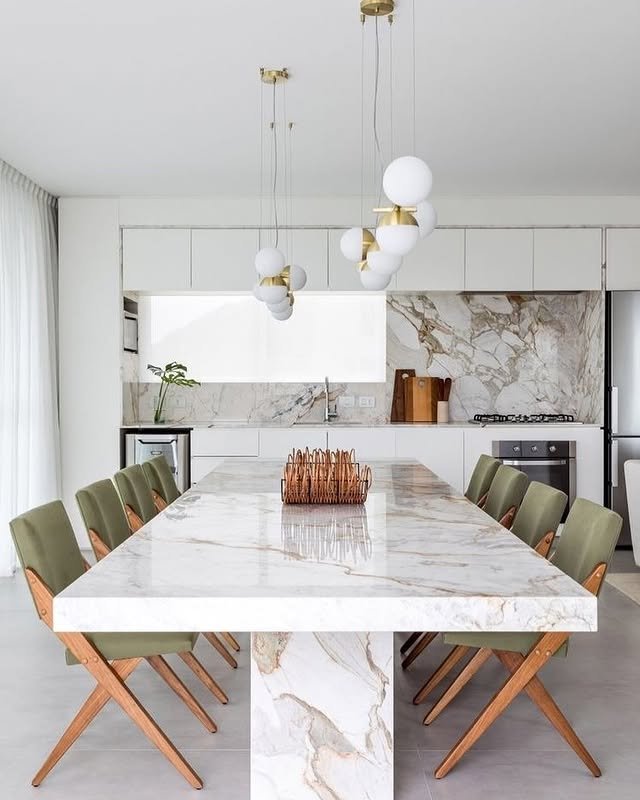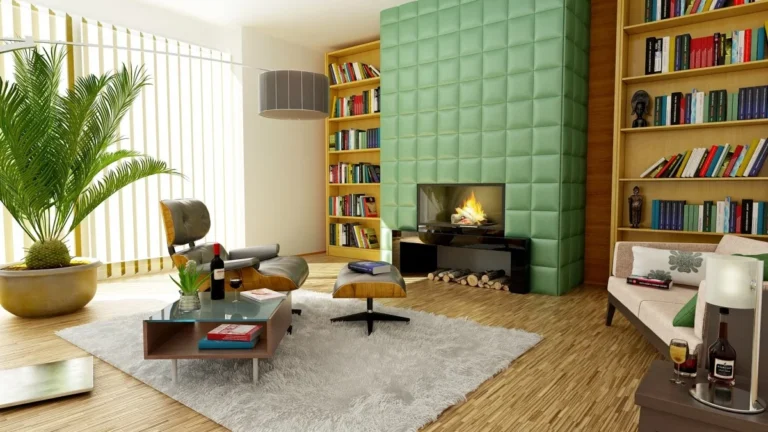
Cozy Nordic Style Dining Area
Cozy Nordic Style Dining Area
https://www.instagram.com/dining_rooms/
A Cozy Nordic Style Dining Area blends simplicity, warmth, and functionality to create a welcoming space for everyday meals and special gatherings. Inspired by Scandinavian interiors, this design style focuses on natural light, soft textures, and clean lines while maintaining comfort and elegance. If you are looking for timeless dining area decor ideas, the Nordic theme offers the perfect balance between minimalism and coziness.
Embracing a Dining Area Modern Aesthetic
https://www.instagram.com/dining_rooms/
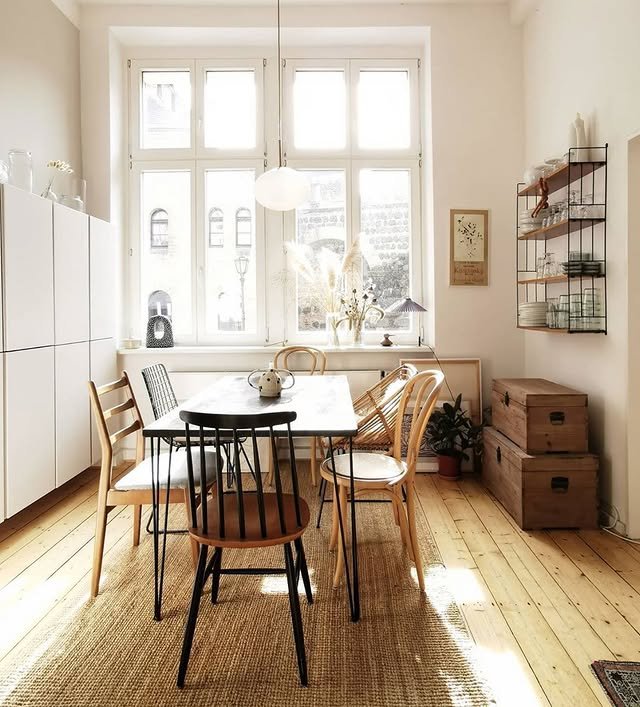
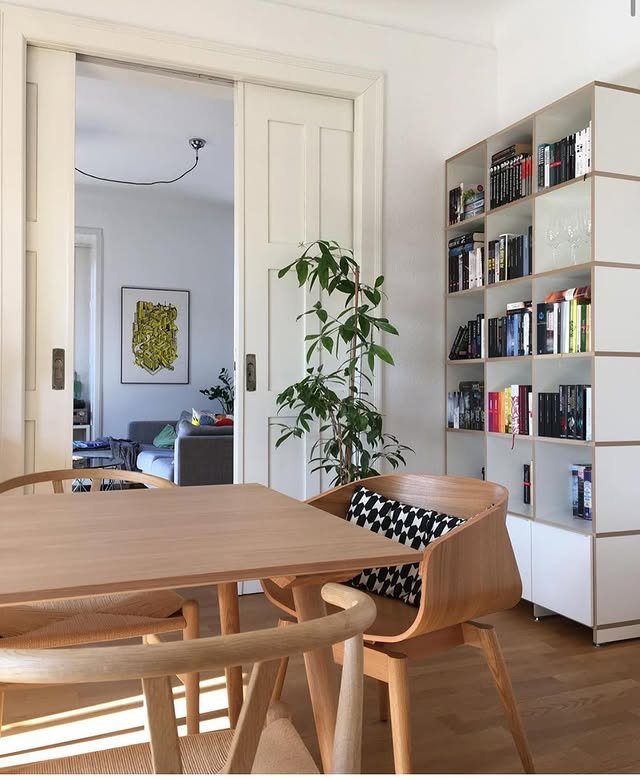
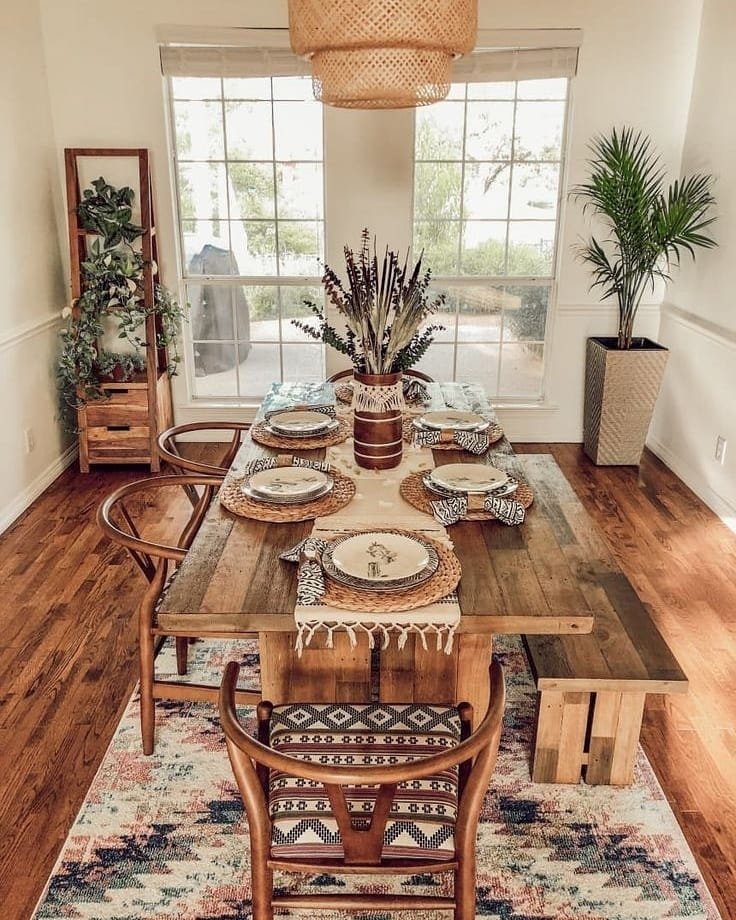
A successful dining area modern setup in Nordic style starts with simplicity. Choose a light color palette—white, beige, soft grey, and warm wood tones—to create an open and airy feel. Furniture should have clean lines and natural materials such as oak, ash, or pine wood.
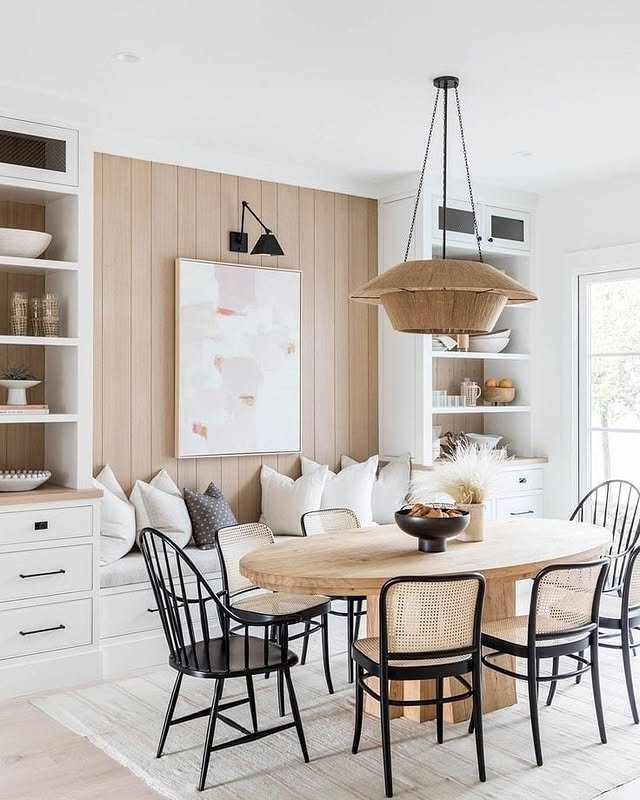
A sleek wooden dining table paired with minimalist chairs forms the foundation of the space. Add a statement pendant light above the table to create a focal point while maintaining the clean Scandinavian look. The key is to keep the area uncluttered yet inviting.
Choosing the Perfect Dining Room Area Rugs
One of the most important elements in a cozy dining space is the right dining room area rugs. Rugs help define the dining zone, especially in open-plan layouts. In Nordic interiors, opt for natural fiber rugs such as jute, wool, or cotton in neutral tones.
A soft textured rug under the dining table not only adds warmth but also enhances comfort and reduces noise. Make sure the rug is large enough so that chairs remain on it even when pulled out. Subtle patterns like geometric lines or woven textures work beautifully without overwhelming the minimalist design.
Adding Meaningful Dining Area Artwork
Wall décor plays a vital role in enhancing your dining space. Carefully selected dining area artwork can bring personality while staying true to Nordic simplicity. Choose framed line art, abstract prints, or nature-inspired illustrations in soft colors.
Gallery walls with thin wooden or black frames create visual interest without clutter. You can also lean large artwork against the wall for a relaxed, contemporary touch. The goal is to add character while maintaining balance and calmness in the room.
Natural Elements for Warmth and Comfort
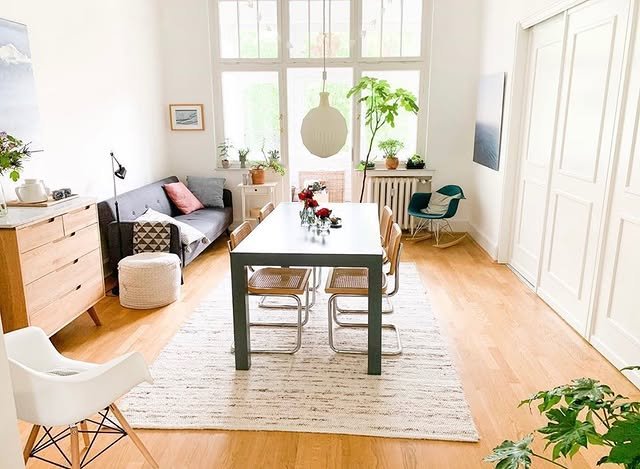
https://www.instagram.com/dining_rooms/
Nordic design emphasizes a strong connection to nature. Add indoor plants like fiddle leaf figs, snake plants, or simple greenery in ceramic pots. Wooden shelves, woven baskets, and linen curtains further enhance the natural atmosphere.
Soft lighting from candles or warm LED bulbs creates a cozy ambiance, especially during evenings. These simple additions transform a modern dining area into a welcoming and intimate gathering space.
Practical Yet Stylish Dining Area Decor Ideas
When exploring dining area decor ideas, focus on functionality and comfort. A centerpiece such as a ceramic vase with fresh flowers or dried pampas grass adds subtle charm. Neutral tableware, linen napkins, and wooden serving boards maintain the Nordic aesthetic.
Keep storage solutions smart and stylish. Open shelving with neatly arranged dishes, glassware, and decorative pieces can double as décor. The combination of beauty and practicality is what makes Nordic interiors timeless.
Creating a Balanced and Inviting Space
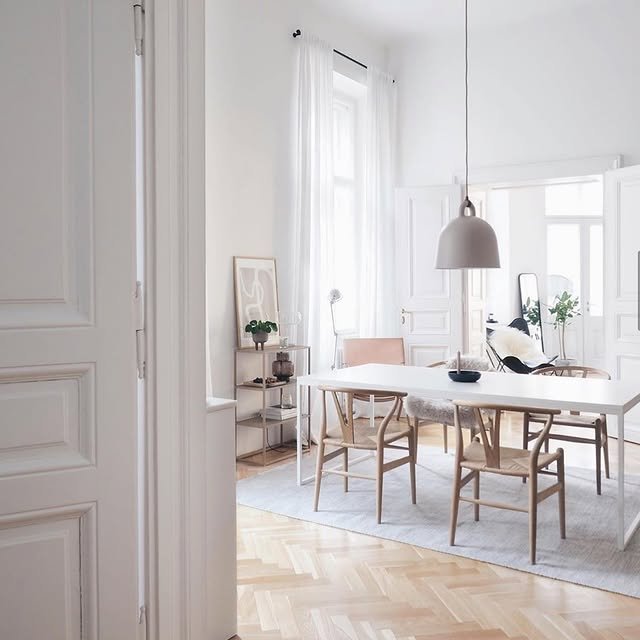
https://www.instagram.com/dining_rooms/
A Cozy Nordic Style Dining Area is all about balance—modern yet warm, simple yet inviting. By combining a dining area modern layout, textured dining room area rugs, thoughtful dining area artwork, and creative dining area decor ideas, you can design a space that feels both elegant and comfortable.
Whether for family dinners or friendly gatherings, this style ensures your dining area remains a bright, peaceful, and stylish heart of the home.
https://www.instagram.com/diningroomdesignideas/
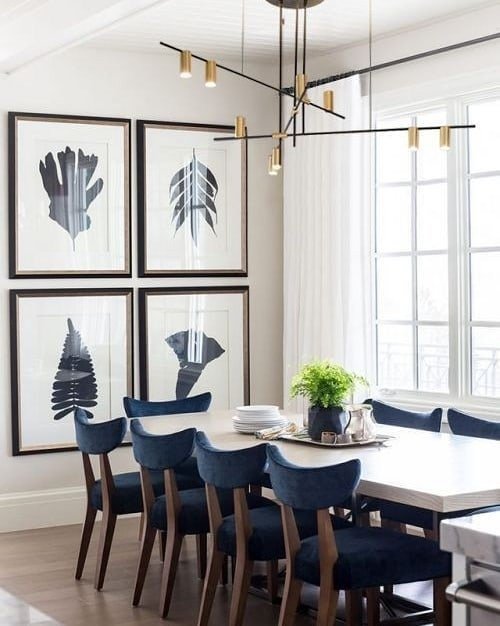
Modern Sophistication: Elevating the Dining Experience through Symmetry and Color
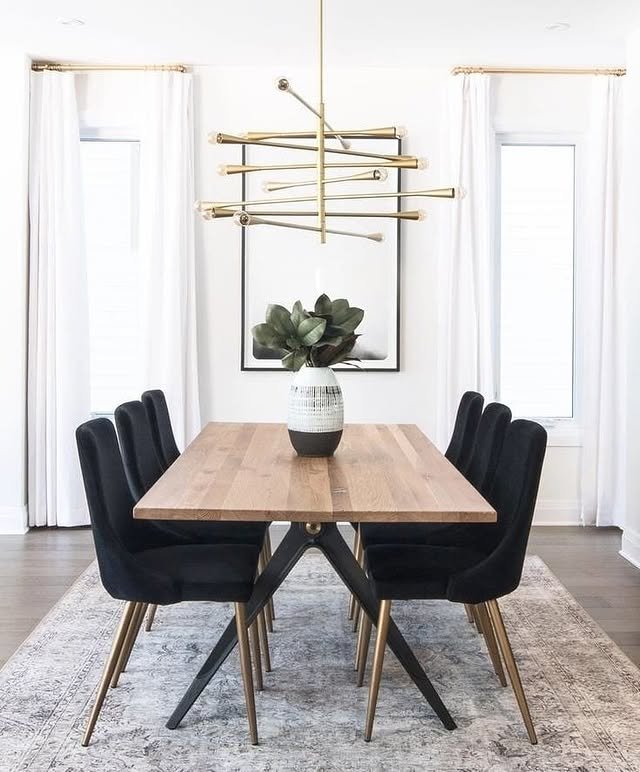
This dining room demonstrates how to achieve a high-end, polished look by utilizing bold color blocking and structured symmetry. It moves away from the rustic trends to embrace a “New Classic” aesthetic—one that feels timeless, tailored, and intentionally designed.
The Anchor: A Study in Navy and Wood
The most striking element of the room is the set of velvet dining chairs. While many modern designs stick to neutral greys or blacks, the choice of deep navy blue introduces a sense of quiet luxury.
Material Contrast: The plush velvet upholstery provides a soft, tactile contrast to the sharp, angular wooden frames of the chairs.
The Table: A light-washed wood table keeps the room feeling bright. Its cool undertones perfectly complement the navy chairs, preventing the dark blue from feeling too heavy in the space.
The Gallery Wall: Bold Botanical Minimalism
A grid of four large, oversized frames dominates the main wall, serving as a masterclass in visual balance.
Impact Through Scale: By using four large frames instead of a “salon-style” cluster of small ones, the designer has created a cleaner, more modern look.
The Art Style: The high-contrast, black-and-white botanical silhouettes offer a modern take on traditional nature prints. They provide a graphic “pop” against the white walls, drawing the eye without overwhelming the room with color.
Symmetrical Precision: The perfect alignment of the frames echoes the grid pattern of the large windows, creating a sense of architectural order.
Lighting as Functional Sculpture
The lighting fixture is the “jewelry” of the room. This brass and black linear chandelier features multiple arms at varying heights, offering a slim, architectural profile.
Metallic Warmth: The gold/brass accents on the light fixture introduce a warm metallic tone that breaks up the cool blues and whites of the room.
Visual Airiness: Because the fixture is composed of thin lines rather than solid shades, it provides plenty of light while allowing a clear view of the gallery wall behind it.
Natural Light and Soft Layers
The room benefits from an abundance of natural light streaming through large, gridded windows.
Softening the Grid: Floor-to-length white curtains are tucked to the side. When closed, they provide privacy and a soft textural backdrop; when open, they frame the window and allow the architectural details to shine.
Organic Life: A single bright green fern in a dark vase acts as the only vibrant “organic” color in the room, tying the botanical theme of the art into the physical space.
Pro-Tip for This Look:
To achieve this level of sophistication, focus on alignment. Aligning the top of your gallery wall with the top of your window frame (or the door frame) creates a “horizon line” that makes the ceiling feel higher and the room more professional.
https://www.instagram.com/diningroomdesignideas/
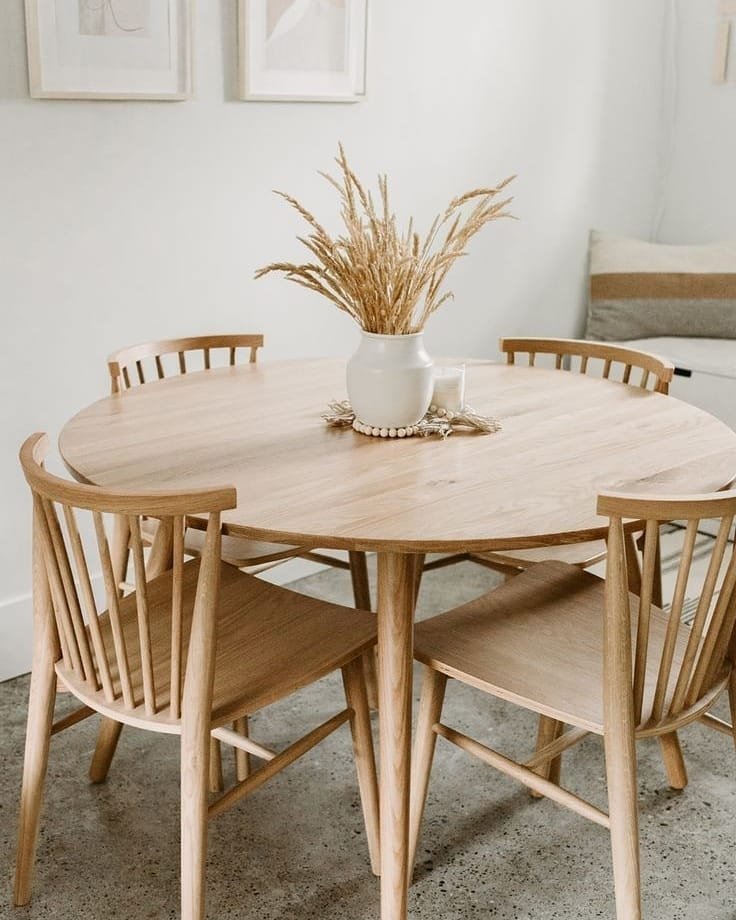
Scandinavian Minimalism: The Beauty of Raw Tones and Round Forms
This dining nook is a quintessential example of “Scandi-Minimalism,” a design style that celebrates simplicity, functionality, and the inherent beauty of natural materials. By removing all unnecessary color and ornamentation, the room creates a serene environment that feels incredibly light and spacious.
The Power of the Circle
The choice of a round dining table is a strategic design move for smaller spaces or open-concept corners.
Social Flow: Round tables lack hard corners, which naturally encourages conversation and makes the seating arrangement feel more intimate and inclusive.
Spatial Efficiency: The circular shape helps “soften” the room, allowing for better movement around the furniture without the awkward bumping of sharp edges.
The Material Story: White Oak and Ash
The “soul” of this room lies in its tonal consistency. The use of light-colored wood—likely white oak or ash—creates a warm, monochromatic look.
Tapered Legs: The slim, tapered legs of both the table and the chairs give the furniture a “weightless” quality. This is a hallmark of Scandinavian and Mid-Century design, ensuring the floor remains visible to keep the room feeling airy.
Spindle Backs: The chairs feature vertical spindles that provide architectural interest without blocking light. Their curved top rails mimic the shape of the table, creating a satisfying visual rhyme.
Texture Over Color
In the absence of a bold color palette, the designer uses texture to create “visual quiet.”
Dried Florals: A simple white vase filled with dried wheat or grasses introduces an organic, feathery texture. This is a low-maintenance way to bring the outdoors in while staying within the neutral color story.
Concrete Flooring: The polished concrete floor provides a cool, industrial counterpoint to the warm wood of the furniture. The speckled texture of the concrete adds depth and a modern edge to the otherwise soft space.
Minimalist Accents: The small wooden bead coaster and the simple framed art in the background add just enough detail to make the space feel curated rather than empty.
Lighting and Atmosphere
While not fully pictured, the bright, even light indicates a “high-key” lighting strategy. This relies on natural light reflecting off white walls and light wood surfaces to eliminate shadows, making the space feel clean and energized.
Pro-Tip for This Look:
To keep a monochromatic wood room from feeling “flat,” vary the textures of your accessories. Pair the smooth wood with a matte ceramic vase, a linen cushion, or a stone tray. These subtle shifts in material are what make a neutral room feel high-end.
https://www.instagram.com/diningroomdesignideas/
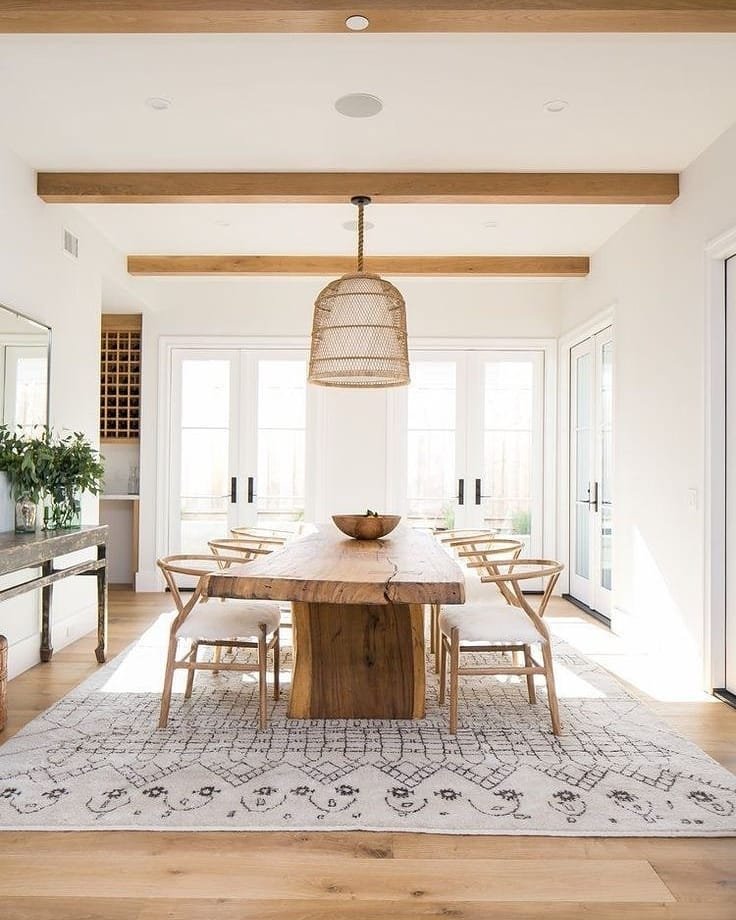
Coastal Zen: The Harmony of Organic Luxury and Architectural Symmetry
This expansive dining room is a masterclass in “Organic Modernism”—a style that prioritizes raw, natural elements within a clean, structured architectural framework. By focusing on grand scale and a monochromatic earth-toned palette, the space achieves a sense of tranquil luxury reminiscent of a high-end coastal retreat.
The Architecture: Framing the Space
The room’s design begins with the ceiling, using architectural details to draw the eye upward and emphasize the volume of the space.
Exposed Wood Beams: The horizontal timber beams provide a rhythmic symmetry that grounds the high ceilings. The warm wood tone of the beams is perfectly matched to the flooring, creating a “sandwich” effect that makes the large room feel more intimate.
The Symmetrical Backdrop: Three sets of white-framed French doors flood the room with natural light. This repetition of vertical lines creates a clean, rhythmic backdrop that allows the more organic shapes in the center of the room to stand out.
The Centerpiece: Live-Edge Artistry
The soul of the room is the massive live-edge dining table. Rather than a perfectly milled piece of furniture, this table celebrates the natural imperfections of the wood.
Sculptural Base: The heavy, solid wood pedestal base provides a sense of permanence and weight, acting as an anchor for the entire open-concept area.
Organic Movement: The raw, uneven edges of the tabletop serve as a counterpoint to the straight, rigid lines of the wall paneling and floorboards.
Textures of the Earth
The designer utilizes a “tone-on-tone” approach, relying on varied textures rather than color to create visual interest.
Woven Lighting: An oversized bell-shaped rattan pendant hangs low over the table. Its intricate weave adds a layer of “global-chic” and diffuses light in a soft, atmospheric way.
The Tribal Rug: A large-scale, low-pile rug with charcoal geometric patterns provides a soft landing for the furniture. The pattern is subtle enough not to compete with the table but intricate enough to add “visual grit” to the clean space.
Wishbone Seating: The use of classic Wishbone chairs with white seat cushions maintains the airy, coastal vibe. Their curved backrests mimic the organic flow of the live-edge wood.
Curated Details
The Console Table: To the left, a slim, dark wood console table provides a space for greenery, further bridging the gap between the indoors and the natural world.
Minimalist Centerpiece: A single large wooden bowl on the table reinforces the “less is more” philosophy, allowing the craftsmanship of the table itself to be the primary focus.
Key Design Takeaway: Scale Matters
In a large room with high ceilings, small furniture can look “lost.” This design succeeds because the scale of the table, the rug, and the light fixture are all appropriately “oversized,” filling the volume of the room without cluttering it.
https://www.instagram.com/diningroomdesignideas/
Modern Mid-Century Minimalist: The Power of Linear Contrast
This dining room is a masterclass in using “line work” to create visual interest. By combining traditional architectural details with mid-century modern furniture, the space feels fresh, intentional, and balanced. It demonstrates that you don’t need a lot of color to create a high-impact room; you just need the right shapes.
The Contrast Strategy: Black Silhouettes on White
The primary design driver here is the sharp contrast between the bright white walls and the matte black furniture and fixtures.
The Spindle Chairs: These black Windsor-style chairs provide a strong rhythmic pattern. Their thin, vertical spindles draw the eye up and down, creating a sense of height and “visual air” that prevents the room from feeling heavy.
The Statement Chandelier: A black sputnik-style chandelier with exposed globe bulbs acts as a geometric crown for the room. Its thin arms echo the lines of the chair spindles, creating a cohesive visual language throughout the space.
Wainscoting Detail: The subtle white chair rail (wainscoting) on the walls adds a touch of traditional architectural texture without breaking the minimalist color palette.
Warmth Through Natural Elements
To keep the high-contrast look from feeling cold or sterile, the designer has layered in warm, organic tones.
Tapered Wood Table: The dining table features a light oak or birch finish with slim, tapered legs. This “Scandi-Modern” silhouette provides a soft middle ground between the white walls and black chairs.
The Flat-Weave Rug: A white rug with black geometric “dash” patterns and fringed edges anchors the dining set. It introduces a textile element that softens the transition from the hardwood floors to the furniture.
Strategic Greenery: A Fiddle Leaf Fig in a simple white pot and a small tabletop plant provide the only pops of color. These organic forms break up the straight lines of the furniture and bring a sense of life to the corner.
Gallery Placement and Lighting
Art at Eye Level: The framed landscape art is placed thoughtfully to the side rather than centered on the wall. This asymmetrical placement makes the room feel more modern and allows the chandelier to remain the primary focal point.
Functional Window Treatment: Simple white shutters provide privacy and light control while maintaining the clean, architectural lines of the window frame.
Key Design Takeaway: Repeating the “Line”
The success of this room lies in the repetition of thin lines. You see them in the chair backs, the chandelier arms, the rug pattern, and even the window shutters. When you repeat a specific shape or line weight across different elements, the room feels professionally curated and harmonious.